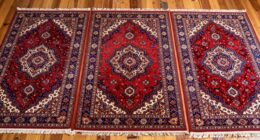
How you handle and drape a rug reveals key aspects of a space’s structure. Symmetrical placement and careful edges reflect a precise, formal design that aligns with architectural features. Casual or asymmetrical draping shows creativity or relaxed ambiance. Tightly secured rugs indicate stability in high-traffic areas, while loose draping suggests a more relaxed setting. Your approach to handling and draping subtly communicates the space’s design philosophy—keep exploring to uncover more insights.
Key Takeaways
- Symmetrical and precise draping indicates a structured, formal architectural environment emphasizing order and harmony.
- Loose or asymmetrical draping suggests a casual or creative space with relaxed structural elements.
- Tightly secured edges reflect attention to stability, aligning with functional or high-traffic architectural features.
- Edge treatment and placement reveal respect for the space’s overall design and architectural details.
- Handling techniques adapted to material durability indicate the structural needs and environmental conditions of the space.
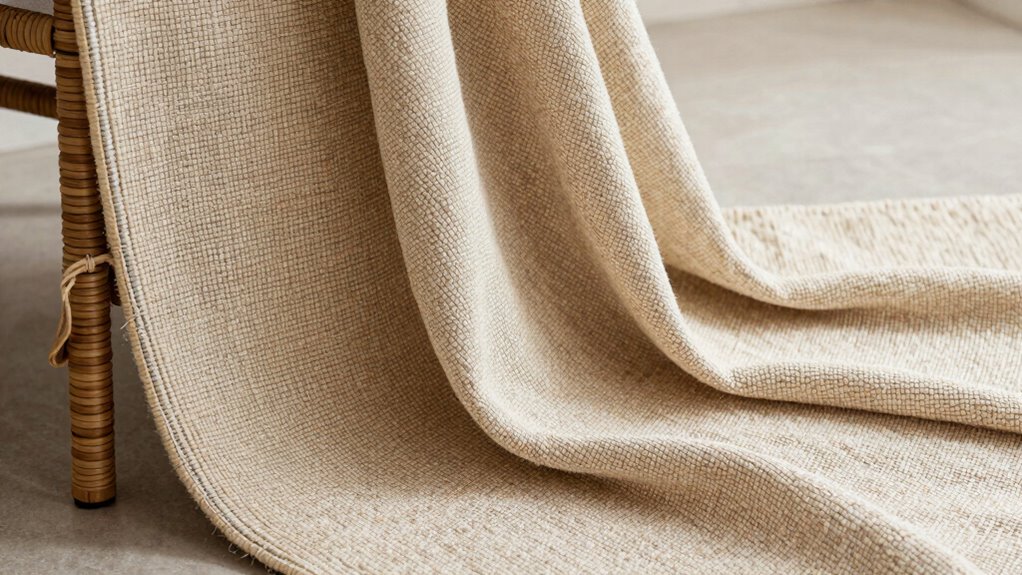
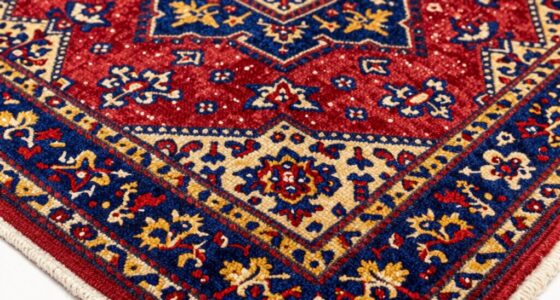
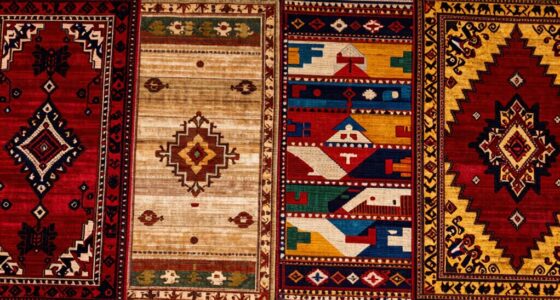
Have you ever wondered how to properly handle and drape a rug around a structure? It’s not just about aesthetics; how you manage the rug reveals a lot about the structure itself. When you’re draping a rug, paying attention to details like color patterns and material durability can tell you what kind of environment you’re working with. For instance, vibrant, intricate designs often suggest a space that values visual appeal and personality, while subdued or monochrome patterns might indicate a more understated or formal setting. The way these patterns are handled—whether they align symmetrically or are intentionally offset—can also indicate the level of care taken in maintenance or the importance placed on visual harmony in the space.
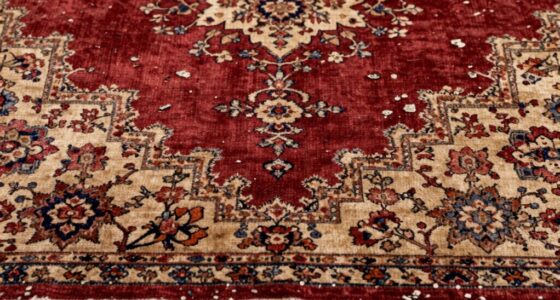
Material durability plays a vital role in how you handle and drape a rug, especially around a structure. If you’re working with a rug made of delicate fibers, you’re likely to handle it more gently, folding and draping it carefully to avoid tears or fraying. Conversely, a rug designed with robust, durable materials like wool or synthetic fibers can withstand more aggressive handling and exposure to foot traffic or environmental factors. The way you drape the rug, whether tightly secured or loosely laid, can reveal how resilient the material is and how much wear the structure anticipates. For example, a heavily trafficked area might feature a more tightly draped rug to prevent shifting, indicating the structure’s need for stability. On the other hand, a decorative rug in a less active space might be loosely draped, showcasing a more relaxed attitude towards preservation. Proper rug placement is essential in highlighting both the design and functionality of a space. Additionally, understanding material properties can help you select the right handling techniques to prolong the lifespan of the rug. Recognizing the care requirements of different materials ensures that the rug is handled appropriately, helping to maintain its appearance over time. Furthermore, understanding how environmental factors impact different materials can guide your handling choices, ensuring the rug remains in optimal condition.
The handling process also reveals your understanding of the structure’s purpose. If you notice that the rug is carefully aligned with architectural features—like symmetry with columns or walls—it suggests that the structure is designed with precision and a certain level of formal elegance. If the draping is more freeform or asymmetrical, it could imply a space that values creativity or casual comfort. How you choose to fold or tuck the edges reflects your respect for the structure’s integrity. For example, a well-draped rug with smooth, even edges indicates a thoughtful approach, emphasizing both aesthetic harmony and structural care. Additionally, the placement of the rug can influence how it interacts with the surrounding architecture, further revealing your understanding of the space’s design principles. Overall, the way you handle and drape rugs isn’t just functional; it’s a subtle commentary on how you perceive and respect the architecture itself.
As an affiliate, we earn on qualifying purchases.
Frequently Asked Questions
How Does Rug Handle Influence the Durability of the Rug?
Your rug handle directly affects its durability because proper rug handle maintenance prevents wear and tear over time. Choosing the right drape material also plays a role, as sturdy, high-quality fabrics support the rug’s structure and reduce strain. When you care for your rug handle and select appropriate drape materials, you guarantee the rug remains intact longer, maintaining its appearance and functionality through regular use and environmental conditions.
Can Drape Reveal Hidden Damages or Wear Over Time?
Yes, drape can reveal hidden damage or wear over time. As you gently lift or adjust the drape, you might notice hidden damage like frayed fibers or worn patches that weren’t visible before. Wear patterns become more apparent through the movement, exposing areas that experience more foot traffic or friction. This helps you identify trouble spots early, allowing you to address issues before they worsen and preserve your rug’s integrity.
What Materials Are Best for Rug Handles and Drapes?
You’d think choosing rug handles and drapes was rocket science, but it’s simpler—go for versatile materials like leather, brass, or durable textiles. They offer endless aesthetic options, from sleek modern to vintage charm. These materials handle daily wear with ease, ensuring your decor stays stylish and functional. With their material versatility, you’ll effortlessly match any room, proving that practicality and beauty can indeed shake hands—no engineering degree required.
How Do Handle and Drape Choices Affect Rug Placement?
Your handle and drape choices directly influence rug placement strategies and the overall aesthetic considerations in rug positioning. Using sturdy handles makes it easier to adjust and align rugs perfectly, creating a balanced look. Elegant drapes can hide imperfections and add sophistication. By selecting appropriate materials and styles, you guarantee your rug placement enhances the room’s harmony, making your space feel cohesive, inviting, and well-designed.
Are There Specific Cleaning Methods for Rugs With Certain Handle Types?
Yes, cleaning methods vary based on handle types. For rugs with machine washable handles, you can usually wash the entire rug gently, especially if it has delicate fibers, following the manufacturer’s instructions. For handles that aren’t machine washable, spot cleaning with mild detergent and vacuuming regularly is best. Always check care labels to avoid damaging delicate fibers or handle mechanisms, ensuring your rug stays in great shape.
Conclusion
In the end, paying attention to how a rug handles and drapes reveals its true structure. These details show whether it’s sturdy or delicate, functional or decorative. Remember, a picture is worth a thousand words — and so is a well-handled rug. By observing these subtle cues, you’ll better understand the craftsmanship behind each piece. As the saying goes, “Don’t judge a book by its cover,” but sometimes, the cover can tell you a lot.