
TL;DR

Get furniture and decor delivered free — and shop member deals
- Fast, free delivery on millions of items
- Access to Prime Big Deal Days deals on October 6–7
- Prime Video, Amazon Music and more included
This week commemorates the 100th anniversary of Antoni Gaudí’s death with various events honoring his architectural legacy. The celebrations highlight his influence on modern architecture and cultural significance.
This week, global celebrations commemorate the 100th anniversary of Antoni Gaudí’s death, recognizing his pioneering contributions to architecture and design. The events highlight his enduring influence and cultural importance, drawing attention to his iconic works and ongoing legacy.
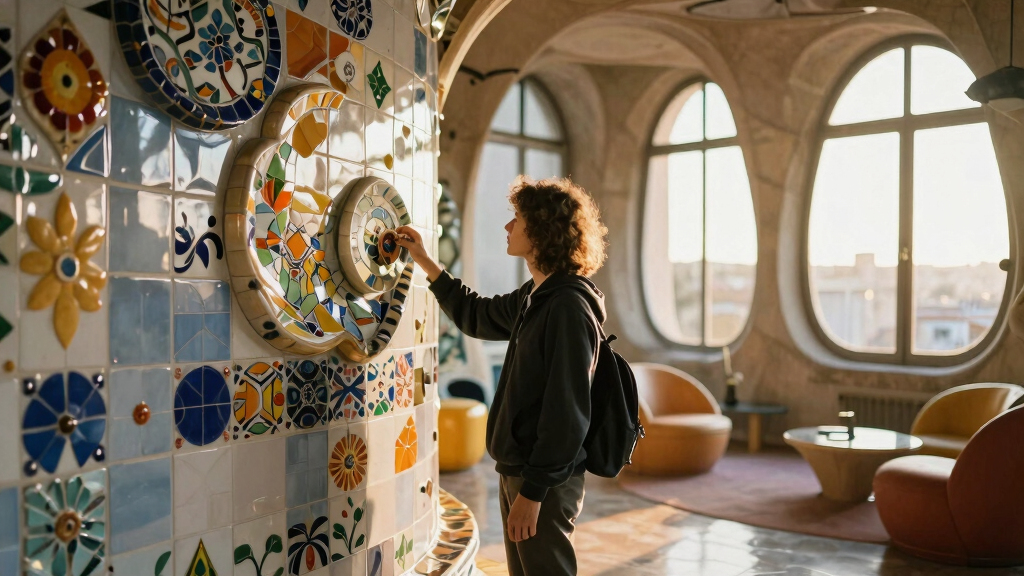
Several cities, including Barcelona—where Gaudí’s most famous works are located—host exhibitions, guided tours, and cultural events dedicated to his life and work. The Barcelona City Council announced special programs at landmarks such as the Sagrada Família, Park Güell, and Casa Batlló, emphasizing their status as UNESCO World Heritage sites. These events aim to educate the public about Gaudí’s innovative architectural style, characterized by organic forms, intricate mosaics, and pioneering structural techniques.
Experts and cultural institutions have organized lectures and symposiums discussing Gaudí’s influence on modern architecture and sustainable design practices. The celebrations also include digital initiatives, virtual tours, and educational campaigns to reach a global audience. The week-long commemoration reflects widespread appreciation for Gaudí’s unique approach and his role in shaping Barcelona’s identity.
Why the Gaudí Centenary Celebrations Matter
The celebrations underscore Gaudí’s lasting impact on architecture, inspiring generations of architects and designers worldwide. Recognizing his work during this milestone helps preserve his legacy and promotes cultural tourism, boosting local economies. Moreover, the event emphasizes the importance of architectural innovation rooted in nature-inspired design, relevant amid ongoing discussions on sustainable urban development.
As an affiliate, we earn on qualifying purchases.
Gaudí’s Life and Architectural Innovations
Antoni Gaudí (1852–1926) was a Catalan architect renowned for his distinctive style that integrates organic forms, vibrant mosaics, and innovative structural techniques. His most famous work, the Sagrada Família, remains unfinished but is globally recognized as a masterpiece of modernist architecture. Throughout his career, Gaudí designed numerous buildings and public spaces in Barcelona, many of which are UNESCO World Heritage sites. His work broke conventional architectural norms, blending craftsmanship with natural motifs and pioneering engineering solutions.
The centenary of his death has prompted renewed interest in his contributions, with many viewing his approach as a precursor to contemporary sustainable architecture. Gaudí’s influence extends beyond architecture into art and urban planning, cementing his role as a cultural icon in Catalonia and beyond.
“Gaudí’s work exemplifies a harmonious blend of nature, art, and engineering, influencing countless architects worldwide.”
— an anonymous researcher
Unresolved Aspects of Gaudí’s Legacy and Future Events
While the celebrations are well underway, details about upcoming exhibitions and international events are still emerging. It is not yet clear how global participation will evolve or if new projects inspired by Gaudí’s work will be announced. Additionally, discussions about the preservation and ongoing restoration of Gaudí’s sites continue, with some debates over funding and conservation strategies still unresolved.
Upcoming Initiatives and Continued Commemoration Efforts
Following the week’s celebrations, plans include international exhibitions, educational programs, and digital campaigns to further promote Gaudí’s legacy. The Barcelona authorities and cultural institutions will likely announce new restoration projects and collaborations aimed at preserving his works for future generations. The ongoing interest suggests that Gaudí’s influence will remain a focal point in architecture and cultural heritage discussions.
Key Questions
Why is this week dedicated to Gaudí?
This week marks the 100th anniversary of Antoni Gaudí’s death, with celebrations honoring his contributions to architecture and culture.
What are the main events happening during this celebration?
Events include exhibitions, guided tours of Gaudí’s works, lectures, symposiums, and digital initiatives, primarily in Barcelona but also internationally.
Why is Gaudí considered such an influential architect?
Gaudí’s innovative use of organic forms, mosaics, and structural techniques broke conventional norms and continues to inspire modern architecture.
Are there any new projects or restorations planned for Gaudí’s sites?
Details are still emerging, but ongoing restoration efforts and potential new exhibitions are expected to be announced in the coming months.
How can people around the world participate in the celebrations?
Many events are accessible online, including virtual tours and educational campaigns, allowing global participation in honoring Gaudí’s legacy.
Source: Dezeen
Fall Picks
fall essentials
As an affiliate, we earn on qualifying purchases.