
To evaluate finish durability before bringing it home, test its resistance to cleaning by trying mild soap on a small area. Check how well it handles environmental factors like sunlight, humidity, and temperature changes, which can cause fading or cracking. Confirm the finish is compatible with your surface material and applied correctly. Good protection features and proper application are key. Keep exploring to learn more about ensuring long-lasting finishes for your space.
Key Takeaways
- Test the finish with routine cleaning methods to ensure resistance without damage.
- Check for UV protection and moisture resistance suitable for the environment.
- Verify compatibility with the surface material and proper application techniques.
- Assess how the finish handles environmental stressors like sunlight, humidity, and temperature changes.
- Examine protective features and durability through small, inconspicuous area tests.
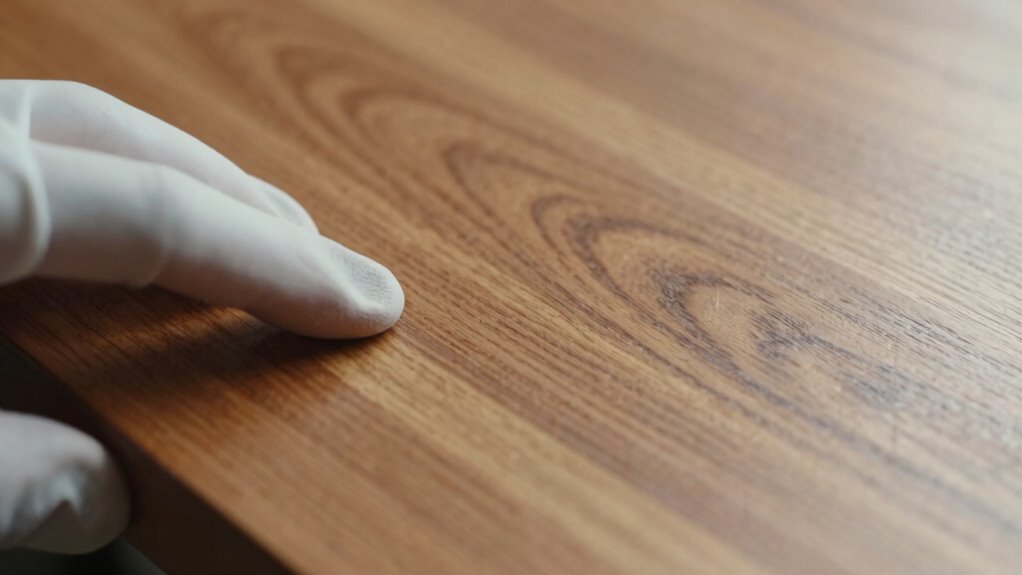
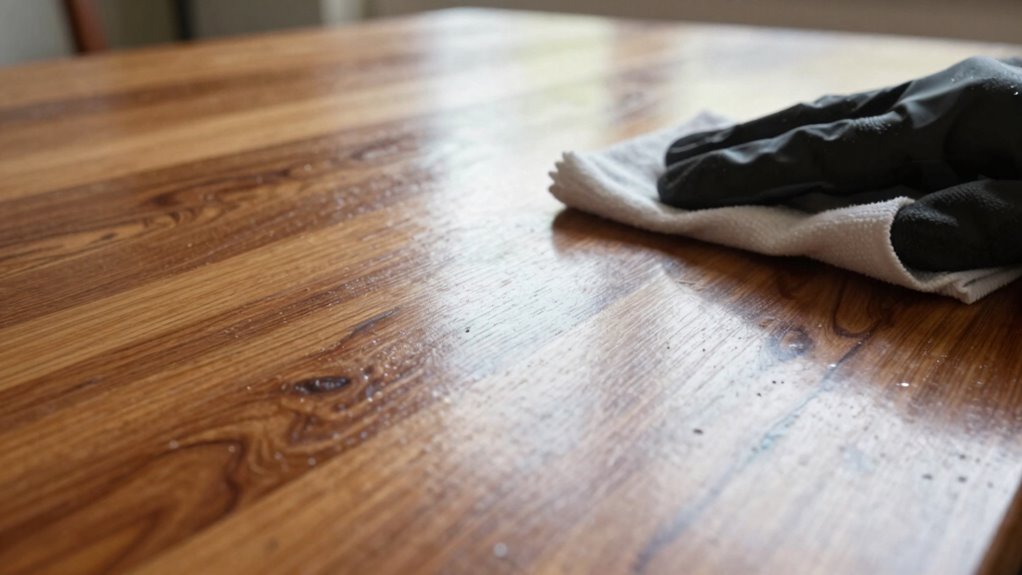
Ever wondered how to determine if a finish will stand the test of time? When you’re eyeing furniture or surfaces with a new finish, it’s essential to understand how it will hold up under everyday conditions. One of the best ways to evaluate finish durability is to consider its resistance to cleaning techniques. Think about how often you’ll need to wipe or scrub the surface—will mild soap and water suffice, or does the finish require special care? Finishes that can withstand routine cleaning without peeling, cracking, or dulling are more durable. You should also assess whether the finish can handle more aggressive cleaning agents, especially if it’s in a high-traffic area or a kitchen where spills are common. Testing a small, inconspicuous area with the cleaning method you plan to use can give you a clear idea of how well the finish will hold up over time.
Beyond cleaning, environmental factors play a vital role in determining a finish’s longevity. Consider the environment where the surface will reside. Will it be exposed to direct sunlight, high humidity, or fluctuating temperatures? UV rays from sunlight can cause some finishes to fade, crack, or peel faster, so look for finishes that offer UV protection if sunlight exposure is frequent. High humidity, on the other hand, can lead to swelling, warping, or mold growth if the finish isn’t resistant. If the surface is in a basement or bathroom, where moisture levels are higher, you’ll want a finish designed to withstand these conditions. Fluctuating temperatures can also cause finishes to expand and contract, eventually leading to cracks. By understanding these environmental factors, you can choose a finish that’s tailored to your specific setting, ensuring it remains intact for years to come. Additionally, material compatibility plays a crucial role in the longevity of a finish, as some finishes bond better with certain surfaces and require proper application techniques for maximum durability. Recognizing the importance of environmental conditions can help you select a finish that maintains its integrity despite changing surroundings. Being aware of air quality and its impact on finishes can also be beneficial, especially in environments with poor ventilation or high indoor pollutants. Moreover, selecting a finish with appropriate protective features can further enhance its resistance to wear and environmental stressors. Considering proper application techniques is equally important, as even the best finishes can fail prematurely if not applied correctly.
As an affiliate, we earn on qualifying purchases.
Frequently Asked Questions
Can Finish Durability Vary Between Different Types of Furniture?
Yes, finish durability can vary between different types of furniture. Finish types like lacquer, polyurethane, or wax each offer different levels of protection, and material influences play a big role. For example, hardwoods tend to hold up better with durable finishes, while softer woods may need more protective coatings. You should consider both the finish type and material influences to choose furniture that withstands wear and tear over time.
How Does Cleaning Affect Finish Durability Over Time?
Think of your furniture’s finish like a delicate dance—gentle cleaning keeps it graceful. Harsh cleaning methods or using abrasive surface polish can wear down the finish over time, dulling its shine and exposing the wood. Regular, gentle cleaning with suitable methods preserves durability, while neglect or harsh chemicals accelerate deterioration. So, treat your furniture kindly, and it’ll maintain its beauty and resilience for years to come.
Are There Specific Finishes More Resistant to Scratches?
Certain finishes are more resistant to scratches due to their surface protection properties. For example, polyurethane and epoxy finishes offer excellent scratch resistance, making them ideal for high-traffic areas. These finishes create a tough surface that withstands daily wear and tear. When choosing a finish, look for those specifically designed for surface protection, as they provide better durability and help maintain the appearance of your furniture or flooring over time.
How Long Does a Typical Finish Last Before Showing Wear?
Think of a finish as a suit of armor—its lifespan depends on how well you prepare and apply it. Typically, a quality finish lasts 5-10 years before showing wear. Proper surface preparation is key; cleaning, sanding, and priming guarantee durability. Regular maintenance, like gentle cleaning, also extends its life. With good finish application and care, your furniture can stay looking fresh for years to come.
Does Environmental Exposure Impact Finish Longevity?
Environmental factors definitely impact finish longevity. Exposure to sunlight, moisture, temperature fluctuations, and pollutants can weaken the finish over time. To guarantee long-lasting finish protection, you should regularly clean and apply appropriate sealants. By minimizing environmental stressors and maintaining your surface properly, you prolong its durability. Recognizing these influences helps you choose finishes suited to your environment, keeping your surfaces looking good and protected longer.
Conclusion
When you’re evaluating finish durability, think of it like testing a handshake—you want to see if it’s firm and confident. Take the time to inspect the surface, ask questions about the materials used, and, if possible, test a small area. Doing so helps you avoid surprises later. Remember, a durable finish is like a sturdy bridge—built to last through daily wear and tear. Trust your instincts and make an informed choice for the long haul.