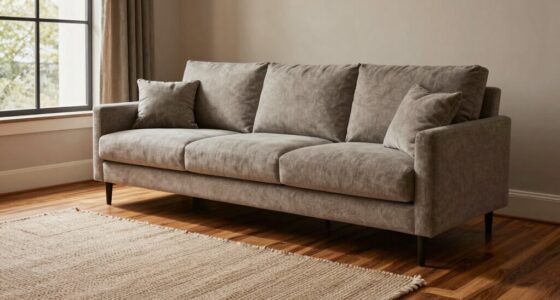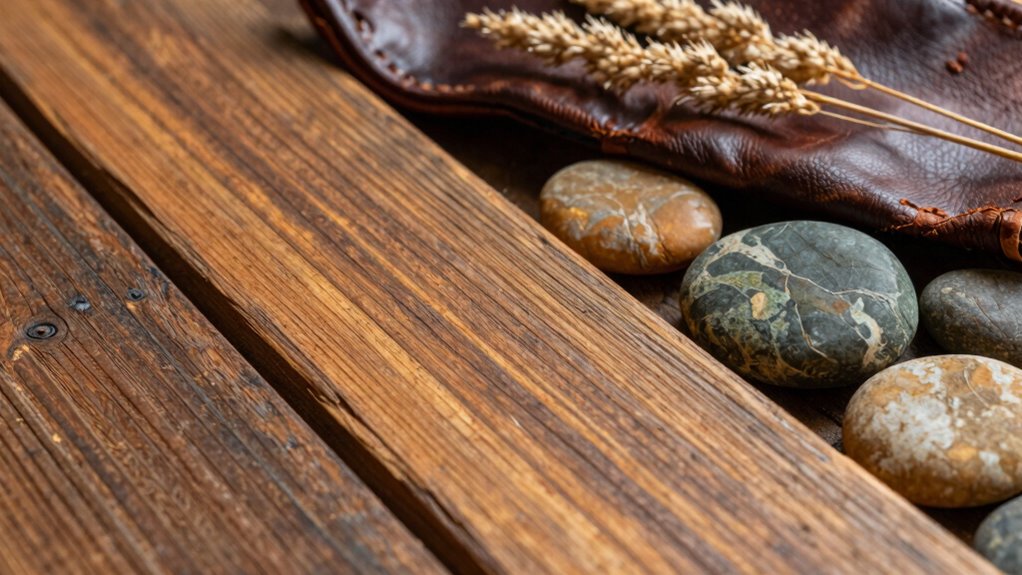

To choose natural materials that age beautifully, prioritize sustainably sourced options like hardwoods, stones, and natural textiles that develop character over time. Look for durable, high-quality fibers and finishes that enhance longevity while maintaining their natural charm. Consider how materials will age, such as leather developing a unique patina or reclaimed wood bearing marks from previous use. With proper care, these materials can become more inviting and resilient, revealing their true beauty as they evolve—exploring these tips further can help you create a timeless space.

Get furniture and decor delivered free — and shop member deals
- Fast, free delivery on millions of items
- Access to Prime Big Deal Days deals on October 6–7
- Prime Video, Amazon Music and more included
Key Takeaways
- Select durable natural materials like hardwoods, stones, and high-quality textiles that develop a rich patina over time.
- Prioritize ethically sourced, sustainably harvested materials to ensure environmental and long-term quality benefits.
- Research how specific materials age to choose those that gain character and beauty with proper care.
- Opt for finishes and treatments that enhance durability while preserving natural aesthetics.
- Maintain and care for natural materials regularly to support their aging process and extend their lifespan.
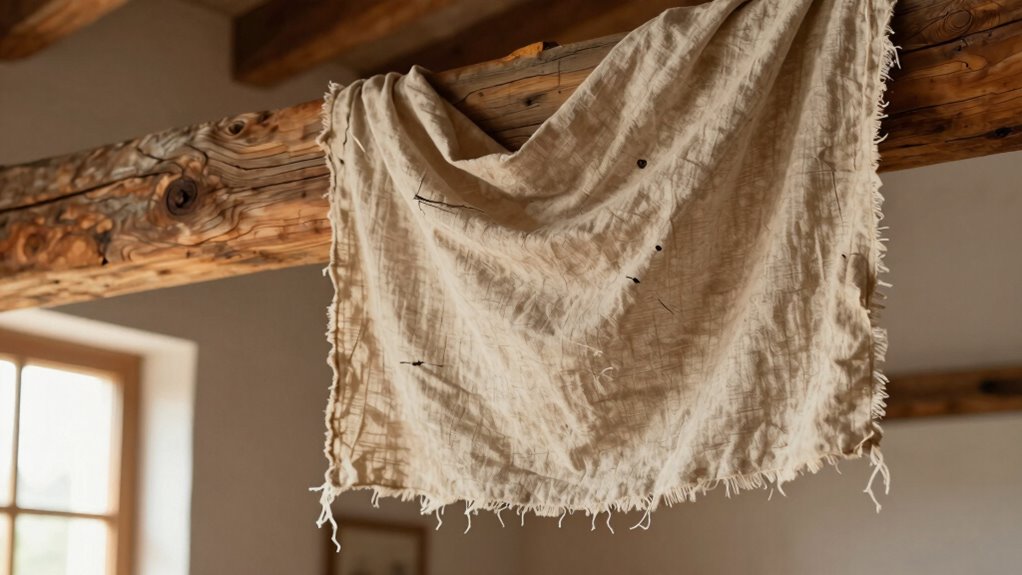
Have you ever wondered why more people are turning to natural materials in their homes and lifestyles? It’s because natural materials offer a unique charm and sustainability that synthetic options often can’t match. When you’re choosing materials that will age beautifully, it’s vital to consider eco friendly sourcing. Knowing where your materials come from and how they’re produced helps guarantee you’re making environmentally responsible choices. Look for suppliers who prioritize sustainable harvesting, support local communities, and minimize environmental impact. This not only benefits the planet but also means you’re investing in materials that are genuinely natural and ethically sourced.
Choosing eco-friendly, ethically sourced natural materials ensures sustainable beauty and lasting quality in your home.
Durability considerations are equally important if you want your natural materials to age gracefully. Some materials, like hardwoods or certain stones, develop a rich patina over time, adding character and depth to your space. Others, like linen or wool, tend to soften and become more inviting with age. When selecting these materials, think about their resilience. Will they withstand daily use, sunlight, or moisture? If you’re choosing wood, opt for hardwoods with proven longevity, and consider finishes that enhance durability without masking natural beauty. For textiles, choose high-quality fibers that resist wear and tear, knowing they’ll improve in appearance as they age. Additionally, understanding material aging can help you select options that will naturally enhance the aesthetic appeal of your space over time. Recognizing the importance of sustainable sourcing ensures your choices align with environmental responsibility from the start. Incorporating proper maintenance practices can further extend the life and beauty of your natural materials, making your investment even more worthwhile.
You also want to think about how a material’s aging process can highlight its natural beauty. For example, leather develops a unique patina that tells a story, while reclaimed wood often bears the marks of its previous life, adding character to your home. It’s worth researching how specific materials age, so you can select those that will develop a desirable aesthetic over time. Keep in mind that proper care and maintenance can considerably influence how well your natural materials age. Regular cleaning, avoiding harsh chemicals, and using appropriate treatments will help preserve their integrity and appearance.
Furthermore, understanding the biodegradability of materials ensures they won’t contribute to long-term environmental pollution, making your choices more sustainable. Choosing natural materials that age beautifully isn’t just about aesthetics; it’s about making thoughtful decisions rooted in sustainability and longevity. By prioritizing eco friendly sourcing and contemplating durability, you ensure your investments stand the test of time while reducing your carbon footprint. Ultimately, the goal is to create a space that not only looks good now but gains character and warmth as the years go by. With careful selection and proper care, your natural materials will tell a story of beauty, resilience, and mindful living.
As an affiliate, we earn on qualifying purchases.
Frequently Asked Questions
How Do Natural Materials Compare in Maintenance Requirements?
Natural materials usually require less maintenance compared to synthetic options, but their durability comparisons vary. For example, hardwood floors may need occasional refinishing, while stone surfaces resist scratches but need sealing. Their aesthetic aging often enhances character, adding charm over time. You’ll find that with proper care, natural materials age beautifully, developing unique patinas and textures that boost their appeal, making them a smart, long-lasting choice for your space.
Are Natural Materials More Eco-Friendly Than Synthetic Options?
Natural materials are like eco-friendly champions—they’re generally more biodegradable and have sourcing sustainability benefits compared to synthetics. By choosing these materials, you reduce environmental impact, support renewable resources, and help minimize waste. Their ability to break down naturally means less pollution and a healthier planet in the long run. So, yes, natural options tend to be more eco-friendly, making them a smarter choice for those committed to sustainability and environmental responsibility.
Can Natural Materials Be Used Outdoors Without Deterioration?
Natural materials can be used outdoors if they meet durability standards and are properly treated. You should consider their environmental impact by choosing options like cedar or teak, which resist decay naturally. Applying sealants or finishes can enhance longevity, ensuring they withstand weather conditions. Regular maintenance also helps prevent deterioration, allowing natural materials to age beautifully while respecting eco-friendly practices.
What Are the Cost Differences Between Natural and Synthetic Materials?
You’ll find natural materials often cost more upfront than synthetics, but their longevity can make them worth every penny. The cost comparison leans heavily in favor of synthetics initially, yet natural options tend to age gracefully, adding charm over time. So, while natural materials may seem pricier, their enduring beauty and durability can offset the initial expense, making them a smarter investment for those valuing quality and character.
How Do Natural Materials Handle Moisture and Humidity?
Natural materials handle moisture and humidity well when chosen carefully. They offer excellent humidity resilience, meaning they adapt to seasonal changes without warping or cracking. Their moisture absorption properties allow them to breathe, preventing mold and mildew buildup. For example, wood and stone absorb some moisture but dry out naturally, maintaining beauty over time. Proper sealing and maintenance enhance their performance, ensuring your natural materials stay durable and attractive in humid environments.
Conclusion
Choosing natural materials is like planting seeds in a garden—you nurture them with care, and they flourish over time. When you select the right materials, they age gracefully, telling a story of authenticity and character. I once saw a weathered oak table in a cozy café, its scars and knots adding charm—proof that natural beauty deepens with age. Trust your instincts, and let nature’s timeless qualities guide your choices for a space that ages beautifully.
Fall Picks
fall essentials
As an affiliate, we earn on qualifying purchases.