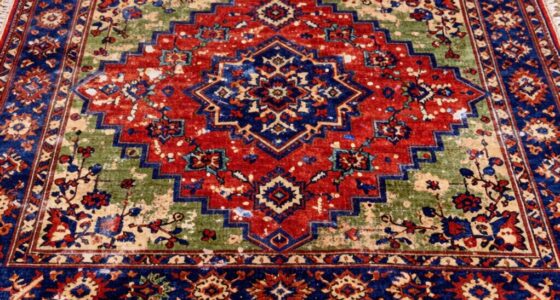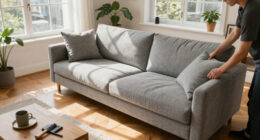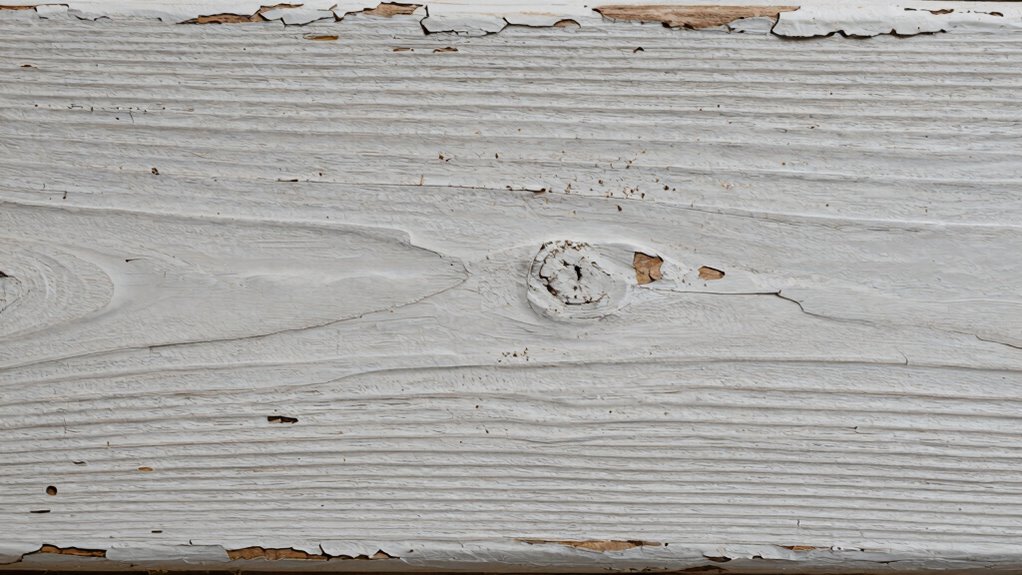

Decorative distress is a purposeful, controlled technique added during manufacturing to create a vintage or shabby chic look, often with consistent patterns like chipped paint or sanding. Natural wear, on the other hand, results from genuine aging and use, leading to irregular fading, dents, and organic imperfections that vary from piece to piece. Spotting these differences helps you tell authentic furniture from artificially distressed items—keep going to uncover how to recognize these signs more clearly.
Open a free Amazon Business account
Business pricing, bulk buying and tax-exempt orders.
As an affiliate, we earn on qualifying purchases.
Key Takeaways
- Decorative distress is intentionally applied with uniform patterns, while natural wear is irregular and organically distributed over time.
- Decorative distress features controlled imperfections like paint chipping and faux scratches, unlike the unpredictable signs of authentic aging.
- Natural wear develops gradually through genuine use, showing uneven fading, dents, and worn edges, whereas decorative distress mimics these effects artificially.
- Recognizing authentic aging involves identifying random, subtle marks, whereas decorative distress often appears symmetrical or patterned.
- Decorative distress maintains a curated, vintage aesthetic, while natural wear reflects the genuine history and unique character of the piece.

When choosing furniture or decor, understanding the difference between decorative distress and natural wear is essential. Decorative distress is a deliberate technique used to create a specific aesthetic, often emphasizing vintage charm and artistic imperfection. It’s intentionally applied during manufacturing or refurbishing to give furniture an aged, well-loved look. This process involves adding paint chipping, sanding edges, or creating faux scratches that mimic years of use. The goal is to evoke a sense of history and character, making pieces feel like timeless treasures. Because of this, decorative distress can be consistent and controlled, ensuring each piece maintains a uniform appearance that aligns with a vintage or shabby chic style.
Decorative distress creates a vintage look with controlled, uniform imperfections, enhancing furniture’s charm and character.
In contrast, natural wear develops over time through genuine use and environmental exposure. It’s marked by irregularities, such as uneven fading, small dents, or worn edges, that occur organically. These signs of natural aging often tell a story, giving furniture a sense of authenticity and uniqueness. When you see pieces with natural wear, they exude an organic vintage charm, showcasing the beauty of age and history. Natural wear tends to be unpredictable, with each mark or scratch differing from the next, emphasizing the piece’s real lineage and character. Recognizing authentic aging signs can help you distinguish genuine vintage furniture from artificially distressed pieces. Additionally, understanding the differences in appearance can guide you in making more informed choices based on your style preferences. Being aware of how these characteristics manifest can also assist in assessing the value and authenticity of vintage items.
Examining the patterns and placement of marks can reveal whether the wear is natural or artificially created, as natural aging typically results in more random and uneven effects. Recognizing these subtle differences can deepen your appreciation for the craftsmanship and history behind each piece. Knowing the process of aging can help you appreciate the story and character embedded in authentic vintage furniture. Knowing the difference helps you appreciate the story behind each piece. Decorative distress offers a crafted artistic imperfection, giving furniture a vintage charm infused with intentionality. Natural wear, on the other hand, speaks of authenticity, carrying the history of its age and use. When you assess furniture, look closely at the details—uniformity, placement, and the nature of the marks—to determine whether it’s a carefully distressed piece or an item that has naturally aged over time. This understanding allows you to select pieces that align with your style and values, whether you desire the curated look of artistic imperfection or the genuine character of natural wear.
As an affiliate, we earn on qualifying purchases.
Frequently Asked Questions
Can Artificial Distressing Increase Furniture Value?
Artificial distressing can boost furniture value if it enhances the piece’s vintage appeal and authentic charm. When done skillfully, it makes furniture look aged yet stylish, attracting buyers seeking a rustic or shabby chic vibe. However, overdoing it or poorly mimicking natural wear might reduce value. So, if the distressing looks genuine and complements the piece, it can definitely increase its desirability and worth.
How Long Does Distressed Furniture Typically Last?
Distressed furniture typically lasts between 10 to 20 years, depending on its material durability and how well you maintain it. You should consider aesthetic consistency, ensuring the distressed look remains appealing over time. To extend its lifespan, avoid excessive exposure to moisture or sunlight and perform regular upkeep. Proper care helps preserve its charm and structural integrity, making it a worthwhile investment in your home decor.
Is Distressing Suitable for All Furniture Styles?
Distressing works well with various furniture styles, but it’s especially suitable if you’re aiming for a blend of antique authenticity and modern aesthetics. If you love a vintage look with a contemporary twist, distressing adds character without overwhelming your decor. However, if your style prefers sleek, pristine pieces, distressing might clash. Consider your overall design theme to decide if distressed furniture complements your space effectively.
Does Distressing Affect Furniture Warranty?
Distressing usually doesn’t affect your furniture’s warranty, so you can enjoy the aged look without worries. Keep in mind, though, some warranty exclusions might apply if the distressing causes damage or is part of a custom finish. Understanding furniture craftsmanship helps you choose styles that suit your needs. Rest assured, distressing enhances character without compromising your warranty, as long as you follow care guidelines and select reputable brands.
Can Natural Wear Be Artificially Replicated?
Yes, natural wear can be artificially replicated to achieve vintage authenticity and surface aging on furniture. Skilled artisans use techniques like sanding, staining, and adding subtle imperfections to mimic genuine aging. This process helps create a distressed look that appears authentic, but it’s intentionally crafted rather than a result of natural use over time. When done well, it provides the charm of vintage furniture without actual long-term wear.
Conclusion
Understanding the difference between decorative distress and natural wear helps you make informed design choices. Did you know that nearly 60% of homeowners prefer furniture with a distressed look because it adds character and charm? By recognizing these styles, you can choose pieces that reflect your personality and lifestyle. Whether you want authentic aging or a crafted appearance, knowing the distinction guarantees your space feels truly personalized and inviting.
Evergreen bestsellers Picks
bestsellers
As an affiliate, we earn on qualifying purchases.