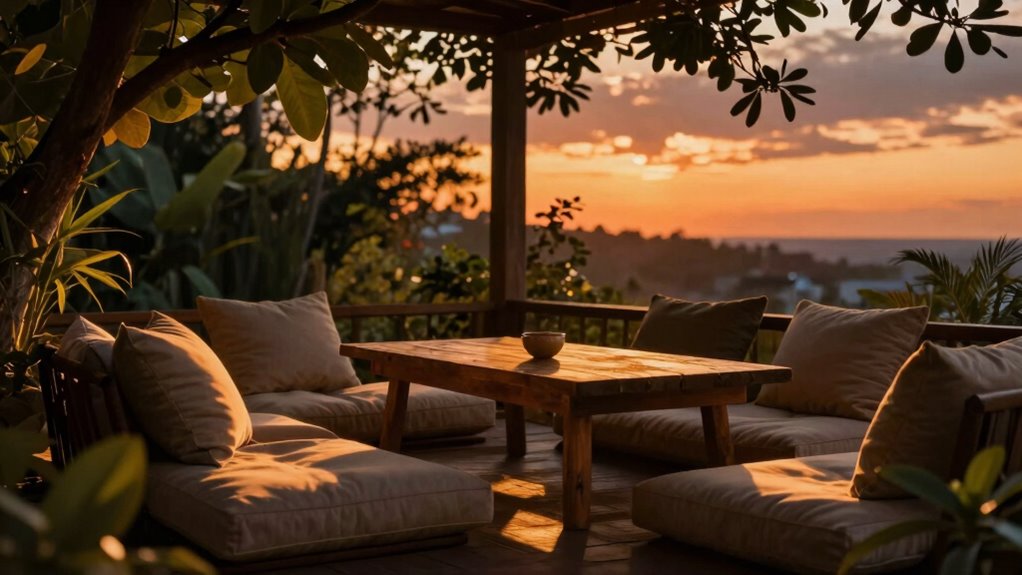

Adjusting your lighting temperature in the evening can greatly impact your relaxation by signaling your brain that it’s time to wind down. Warmer lights, around 2700-3000K, create cozy environments that promote calmness and help your body prepare for sleep. Cooler lights, closer to 5000-6500K, can keep you alert and disrupt your natural rhythms. Using dimmed, warm lighting as you get closer to bedtime can enhance your relaxation and support better sleep habits—if you want to learn more, keep going.
Open a free Amazon Business account
Business pricing, bulk buying and tax-exempt orders.
As an affiliate, we earn on qualifying purchases.
Key Takeaways
- Warmer lighting promotes relaxation by signaling the brain it’s time to wind down and creating a cozy atmosphere.
- Cooler, daylight-mimicking lights can increase alertness, making it harder to relax in the evening.
- Adjusting lighting temperature from cool to warm helps transition from activity to rest effectively.
- Warm lighting reduces blue light exposure, supporting melatonin production and better sleep quality.
- Dimming lights enhances mood and creates a tranquil environment conducive to relaxation.
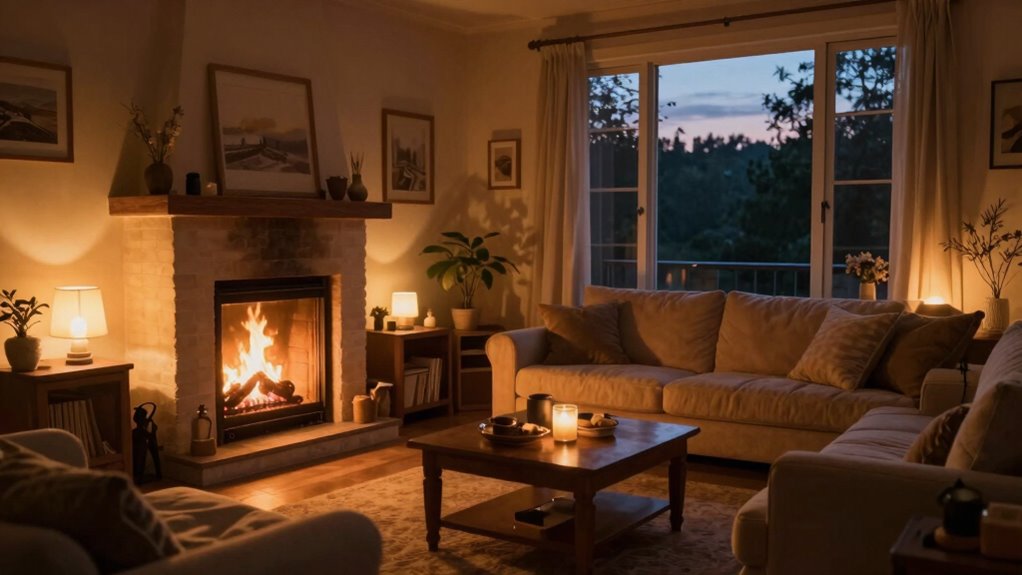
As evening approaches, the lighting temperature in your space can considerably influence how relaxed and comfortable you feel. The color temperature of your lighting plays a crucial role in setting the mood as daylight fades. Cooler lights, with higher color temperatures around 5000 to 6500 Kelvin, mimic natural daylight and tend to energize you, making it harder to unwind. As the sun sets, these lights can keep you alert, which isn’t ideal if you’re trying to relax. On the other hand, warmer lighting—around 2700 to 3000 Kelvin—creates a cozy, inviting atmosphere that encourages relaxation and prepares your mind for winding down. By adjusting your lighting temperature in the evening, you actively influence your mood and help your body shift from activity to rest.
Adjust your evening lighting to warmer tones to promote relaxation and prepare your body for restful sleep.
The impact of color temperature on mood enhancement is significant. When you opt for warmer lights, you’re signaling to your brain that it’s time to relax. This type of lighting reduces blue light emissions, which are known to suppress melatonin—the hormone responsible for sleep regulation. Without enough melatonin, you might find it harder to fall asleep or experience restful sleep. Warmer lighting, thus, not only fosters a calming environment but also supports your overall sleep quality. Conversely, cooler lighting can disrupt your natural circadian rhythm, keeping you alert when your body should be winding down. Recognizing this connection allows you to use lighting strategically to promote better evening relaxation. Additionally, understanding the effects of lighting temperature can help you create a healthier sleep environment. Incorporating light color temperature into your routine can further optimize your sleep quality and overall well-being. Adjusting your lighting to match circadian rhythms is an example of how lighting choices can influence health outcomes. Moreover, being mindful of these lighting strategies empowers you to craft a sleep-friendly environment that promotes long-term health benefits.
You can enhance your space’s ambiance by choosing the right lighting temperature based on your mood needs. For instance, if you want to create a tranquil setting for reading or meditation, opt for warm, dimmed lights. This gentle glow makes your space feel more intimate and soothing, helping your mind detach from the stresses of the day. If you’re preparing dinner or engaging in activities that require focus, slightly cooler lighting might be acceptable earlier in the evening, but it’s best to switch to warmer tones as bedtime approaches. Dimming your lights also amplifies the mood-enhancing effect, making the environment even more conducive to relaxation. By consciously managing your lighting temperature, you control not just the brightness but the emotional tone of your space.
In essence, the right lighting temperature becomes a powerful tool for evening relaxation. It influences your mood, supports your natural sleep cycle, and helps you create a calming environment. When you understand how color temperature affects your mood enhancement, you can tailor your lighting choices to foster tranquility. Whether you’re winding down with a book or preparing for bed, adjusting your lights to warmer tones helps you transition smoothly from activity to rest, making your evenings more peaceful and restorative.
adjustable warm LED night lights
As an affiliate, we earn on qualifying purchases.
As an affiliate, we earn on qualifying purchases.
Frequently Asked Questions
How Does Lighting Temperature Affect Sleep Quality?
You’ll find that warmer, lower color temperature lighting in the evening helps improve your sleep quality by supporting your circadian rhythm. Cooler, bluish light suppresses melatonin, making it harder to fall asleep. When you switch to warmer tones, your body recognizes it’s time to wind down, promoting relaxation. So, adjusting your lighting temperature in the evening can make a significant difference in how well you sleep.
Can Changing Lighting Temperature Improve Evening Mood?
Yes, changing lighting temperature can improve your evening mood by influencing your ambient atmosphere through color psychology. Cooler, blue-toned lights tend to energize you, while warmer, amber tones create a cozy, calming environment. Adjusting your lighting to suit your desired mood helps you unwind and relax more effectively. By intentionally choosing the right lighting temperature, you enhance your emotional well-being and make your evenings more enjoyable.
Are There Specific Lighting Temperatures for Different Relaxation Activities?
Yes, specific lighting temperatures suit different relaxation activities. For reading or working, you prefer cooler, bluish light to enhance focus and clarity. For unwinding or meditation, warmer, yellowish tones promote calm and comfort. By adjusting color perception through lighting, you can boost mood enhancement and create tailored atmospheres. This way, your environment aligns perfectly with your activity, making relaxation more effective and enjoyable.
How Quickly Can Lighting Temperature Influence Relaxation?
Lighting temperature can influence your relaxation within minutes. Warm color temperatures, like soft amber or red hues, enhance mood and promote calmness quickly, making it easier to unwind. As you adjust your lighting to warmer tones, your brain responds by reducing stress and promoting comfort. You’ll notice mood improvement almost immediately, helping you shift seamlessly into a more relaxed state for your evening activities.
Does Natural Light Temperature Vary During the Evening?
Yes, natural light temperature varies during the evening. Around sunset, hues shift to warmer tones, creating a cozy evening ambiance. Studies show that sunset hues, with their rich oranges and reds, can influence your mood and relaxation levels. As the sky darkens, natural light cools, helping your body prepare for rest. So, you naturally experience a progression from bright, bluish light to softer, warmer tones, enhancing your evening relaxation.
Conclusion
As you wind down your evening, remember that warmer lighting creates a cozy, inviting atmosphere, easing your mind and helping you relax. Some might think cooler lights are better for focus, but imagine slipping into a soft glow that feels like a gentle hug—calming your senses and preparing you for restful sleep. Embrace the warm hues; they transform your space into a sanctuary where relaxation feels natural and effortless.
Flea & tick season Picks
flea and tick prevention
As an affiliate, we earn on qualifying purchases.