
A useful rug insurance file keeps all your documents organized, including purchase receipts, appraisals, and photos showing the current condition. Regular updates for new rugs or repairs help guarantee your coverage stays accurate. Clear records support quick claims, proving value, and demonstrating ongoing care. Having easy access to these details streamlines the process and builds confidence in your coverage. If you want to know how to make your file truly effective, keep exploring these tips.
Key Takeaways
- Organized documentation of purchases, appraisals, and condition photos ensures quick verification during claims.
- Regular updates of records reflect current value and condition, preventing discrepancies.
- Clear, complete records streamline the claims process and reduce delays or disputes.
- Including receipts and repair histories demonstrates ongoing care, supporting coverage validity.
- Maintaining contact info for insurers and professionals facilitates prompt assistance when needed.
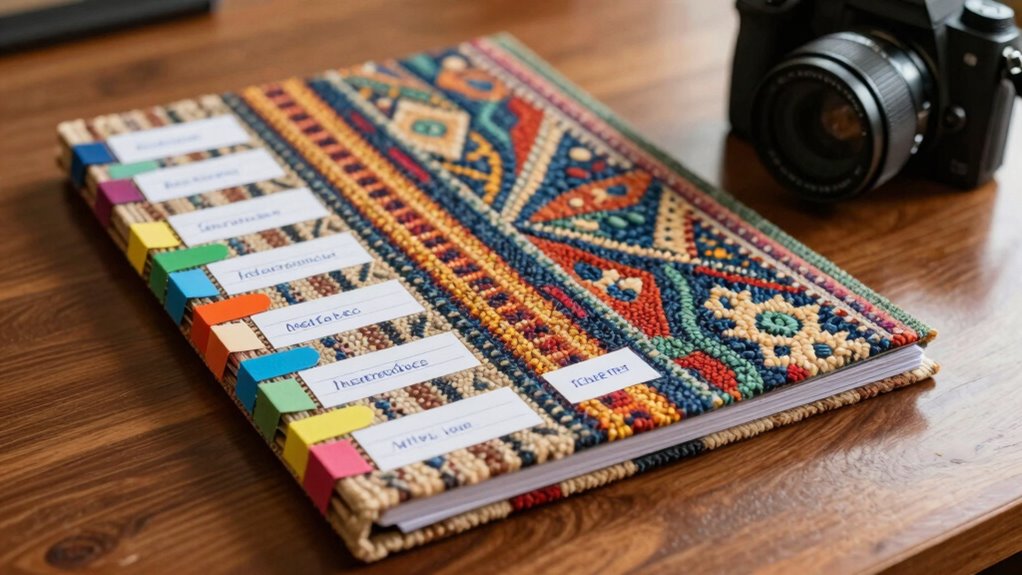
If you own valuable or fragile rugs, safeguarding them with rug insurance is a smart move. A well-prepared rug insurance file can save you significant stress and money if something goes wrong. But what makes a rug insurance file actually useful? The key lies in how well you organize and maintain the information within it. When your rug suffers damage or needs cleaning, you’ll want quick access to all relevant details to streamline the insurance claims process. This includes keeping records of rug purchases, appraisals, and photographs that accurately depict their current condition. Clear documentation helps verify the value of your rugs and supports your case if you need to file a claim.
Another essential aspect is maintaining records of past rug cleaning and maintenance. Regular cleaning not only preserves the appearance but also helps document the ongoing care of your rugs. If you ever need to submit an insurance claim, having a history of professional rug cleaning can serve as proof that you’ve taken proper steps to protect your investment. It also demonstrates that any damage wasn’t caused by neglect, which can influence the insurer’s decision. Including receipts from cleaning services, along with before-and-after photos, makes your file more thorough and convincing. Additionally, understanding the importance of documentation can help you recognize the value of detailed record-keeping in insurance processes. Being aware of the types of damage that rugs can sustain can also help you better prepare and document potential issues before they occur. Knowing about damage prevention techniques can further assist you in maintaining your rugs’ condition and reducing potential claims. Recognizing the impact of environmental factors can help you take proactive steps to protect your rugs from damage caused by humidity, sunlight, or pests.
In addition to documentation, you should keep copies of your insurance policy and any correspondence related to your rug coverage. This ensures you’re familiar with what’s covered and the procedures for filing claims. When an incident occurs, having this information at your fingertips allows for swift action, so you don’t miss deadlines or overlook coverage details. A useful rug insurance file also contains contact information for your insurer and trusted professionals, such as rug cleaning specialists or appraisers, who can provide quick assistance or expert assessments if needed.
Finally, a useful rug insurance file is regularly updated. As your collection grows or your rugs are appraised at higher values, update your records accordingly. Keep track of any improvements, repairs, or special treatments, and store new photographs. Doing so ensures your file remains accurate and complete, which can be vital when making insurance claims or negotiating payouts. The bottom line is, a well-maintained, detailed, and organized rug insurance file not only simplifies the claims process but also gives you peace of mind knowing you’re prepared for any eventuality. Additionally, understanding the importance of biodiversity and sustainable practices can help you make environmentally responsible choices when caring for your rugs and home.
rug insurance documentation organizer
As an affiliate, we earn on qualifying purchases.
As an affiliate, we earn on qualifying purchases.
Frequently Asked Questions
How Often Should I Update My Rug Insurance File?
You should update your rug insurance file whenever you get rug cleaning or antique preservation done. Regular updates guarantee your coverage reflects your rug’s current value and condition. If you purchase a new rug or your existing one appreciates in value, update the file. Keeping detailed records of maintenance and appraisals helps streamline claims and ensures you’re fully protected in case of damage or loss.
What Specific Details Should Be Included in the File?
You should include detailed rug care instructions, purchase receipts, and photos to document your rug’s condition. List the rug’s size, material, and value for accurate insurance claims. Keep records of any repairs or appraisals. These details help in case of damage or loss, ensuring smooth insurance claims. Regularly updating this information keeps your file current, making it a practical resource when you need to prove your rug’s worth or maintain it properly.
Can I Customize Coverage for Different Rug Types?
Ever imagine tailoring your rug coverage to fit its unique material? Yes, you can customize coverage options based on rug types like wool, silk, or synthetic fibers. Different rug materials may require specific protection, so discussing these details with your insurer guarantees you get the right coverage. By customizing your policy, you protect your investment more effectively, making sure each rug’s unique needs are fully covered.
How Do I File a Claim Using My Rug Insurance?
To file a claim using your rug insurance, start by documenting the damage with photos and details. Contact your insurer promptly, providing proof of damage and any receipts for rug cleaning or repairs. They’ll guide you through the process, which often includes an inspection. Remember, damage prevention measures like regular rug cleaning can help support your claim and keep your rug in good shape, making the process smoother.
What Are Common Mistakes to Avoid in Creating the File?
You should avoid common mistakes like neglecting detailed records of rug cleaning and antique preservation efforts, which can weaken your claim. Don’t forget to include clear photos of damages and receipts for repairs or cleaning. Failing to document your rug’s history or missing deadlines can also harm your file. Keep everything organized and up-to-date, ensuring your file genuinely reflects your care and efforts in maintaining your rug’s value.
Conclusion
Just like a sturdy rug holds your home’s charm, a well-crafted insurance file keeps your peace of mind intact. I once knew someone who ignored organizing their claims, only to scramble when disaster struck—like trying to fix a torn rug without any threads. A useful file acts as that reliable thread, ready to catch you when life pulls unexpectedly. Keep yours tidy and complete, and you’ll be prepared to face whatever comes next.