When choosing between dry and wet cleaning, consider your fabric type and stain. For delicate fibers like silk and wool, dry cleaning is best to prevent damage and color bleeding. For sturdier materials like cotton or polyester, wet cleaning with water and detergent works well. Softening fabrics and removing water-soluble stains are easier with wet methods, but avoid water exposure on fragile textiles. Keep exploring to discover how to select the right approach for your clothes.
Key Takeaways
- Dry cleaning suits delicate fibers like silk and wool, preventing shrinking, warping, and color bleeding.
- Wet cleaning is ideal for sturdy fabrics such as cotton and polyester, offering effective stain removal with water.
- Oil-based and grease stains are better removed through dry cleaning, while water-soluble stains respond well to wet cleaning.
- Consider fabric sensitivity and care labels to select the appropriate method, avoiding damage or loss of fabric quality.
- Proper use of fabric softeners enhances softness in wet cleaning but should be avoided or used cautiously with delicate fibers.
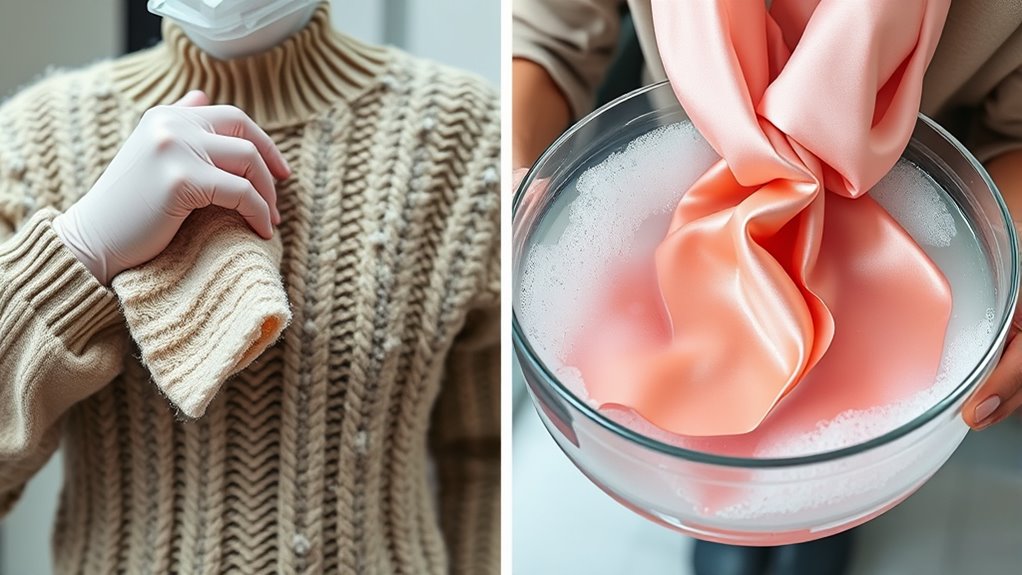
Have you ever wondered which cleaning method is better for your surfaces—dry or wet? When it comes to caring for different fibers, your choice can considerably impact the longevity and appearance of your items. Dry cleaning is often recommended for delicate fabrics like silk, wool, or certain synthetics, where exposure to water could cause shrinking, warping, or color bleeding. Wet cleaning, on the other hand, suits sturdier fabrics like cotton or polyester, where thoroughly cleaning with water and detergents ensures dirt and stains are effectively removed. Understanding the nature of each fiber helps you decide which method to use, but it also influences how you handle stain removal and fabric softeners during the cleaning process.
Choosing dry or wet cleaning depends on fabric type and stain needs.
If you opt for dry cleaning, you typically won’t need to worry about applying fabric softeners, since most professional dry cleaners handle their process without them. However, if you’re cleaning at home, using fabric softeners in your laundry can help keep fabrics soft and reduce static cling, especially for cotton and synthetic blends. Keep in mind that some delicate fibers are sensitive to certain chemicals found in softeners, so always check your fabric’s care label. When it comes to stain removal, dry cleaning is excellent for removing oil-based stains, grease, and certain dyes without risking water damage. For water-soluble stains like coffee or juice, wet cleaning methods might be more effective, but always pre-treat stubborn stains with appropriate stain removers compatible with the fabric type.
Wet cleaning involves using water, detergents, and sometimes bleach or stain removers to lift dirt and stains from fabrics. This method is generally safer for sturdy fibers and is widely accessible for home use. When washing with water, you can add fabric softeners during the rinse cycle to keep your clothes smelling fresh and feeling soft. For stain removal, soaking or pre-treating fabrics with specific stain removers can make a big difference, especially for protein-based stains like sweat or blood. Remember that overuse of fabric softeners in wet cleaning can sometimes coat fibers, reducing breathability or causing buildup, so use them judiciously. Additionally, the contrast ratio of a fabric can influence how well stains and dirt are visible or removed during cleaning.
Choosing between dry and wet cleaning depends on the fabric, the type of stains you’re dealing with, and the desired softness or texture. Dry cleaning is preferable for delicate, sensitive fibers and for removing oil-based stains without water. Wet cleaning works well for more durable fabrics and water-soluble stains, with the added benefit of softening fabrics through fabric softeners if used correctly. By understanding the properties of each fiber and the appropriate cleaning methods, you guarantee your textiles stay vibrant, soft, and well-maintained for longer.

Dryel At-Home Dry Cleaner, Stain & Wrinkle Remover for Delicates, 8 Loads
- Effective stain and odor removal: Lifts stains, odors, and wrinkles
- Quick and cost-effective: Completes in 20 minutes, saves money
- Fresh scented dryer sheets: Uses dryer-activated scented sheets
As an affiliate, we earn on qualifying purchases.
As an affiliate, we earn on qualifying purchases.
Frequently Asked Questions
Which Cleaning Method Is Safest for Delicate Vintage Fabrics?
The safest method for delicate vintage fabrics is dry cleaning, as it involves gentle handling and minimizes moisture exposure. Dry cleaning uses specialized stain removal techniques that prevent fiber damage and shrinking. Avoid wet cleaning unless performed by professionals, since excess water can weaken fragile fibers. Always opt for professional dry cleaning to preserve your vintage fabric’s integrity and guarantee effective stain removal without risking damage.
How Do Cleaning Methods Affect the Longevity of Fibers?
Think of cleaning methods as guardians of your fibers’ future. When you choose wisely, you prevent fiber deterioration and minimize cleaning residue, which can weaken fibers over time. Wet cleaning gently preserves delicate fibers, extending their lifespan, while harsh dry methods risk damage. By understanding these impacts, you keep your fabrics vibrant and durable, turning every wash into a safeguard for their longevity.
Are There Eco-Friendly Dry Cleaning Options Available?
Yes, eco-friendly dry cleaning options are available. You can choose services that use eco-friendly solvents like liquid CO2 or silicone-based cleaners, which are less harmful to the environment. Additionally, look for cleaners that use biodegradable detergents, reducing chemical impact. These methods help protect your garments and the planet, offering effective cleaning without compromising sustainability. Always ask your dry cleaner about their eco-friendly practices to make greener choices.
Can Wet Cleaning Damage Certain Synthetic Fibers?
You might worry that wet cleaning could damage synthetic fibers, but it’s unlikely if done properly. While water and gentle agitation don’t cause chemical damage, some fibers with low resilience might weaken or stretch if exposed to excessive moisture or agitation. To protect your garments, guarantee professional cleaners understand fiber resilience and use appropriate techniques, avoiding over-wetting or harsh handling that could compromise the synthetic fibers’ integrity.
How Often Should Different Fibers Be Professionally Cleaned?
You should have different fibers professionally cleaned every 12 to 24 months, depending on usage and fiber dyeing. Regular cleaning helps prevent stains from setting and keeps your fabrics vibrant. For delicate fibers or those prone to staining, more frequent cleanings may be necessary. Proper stain removal techniques are essential to protect fibers from damage, especially when dealing with synthetic or dyed materials. Always follow expert advice for specific fiber care requirements.
Conclusion
So, next time you carefully choose between dry and wet cleaning, remember that your perfect method might just depend on whether you want to preserve your fibers or risk a little damage. Ironically, what’s supposed to be gentler could be harsher, and vice versa. Sometimes, the best approach is to trust your instincts—and maybe the fibers themselves—to tell you what works. After all, who knew cleaning could be so complicated?