
By regularly maintaining your home’s systems, you reduce energy waste and prevent costly repairs, making your home more sustainable. Fixing leaks, sealing drafts, and upgrading insulation lower your energy consumption and carbon footprint. Keeping appliances and HVAC systems in top shape ensures they run efficiently. Small routine checks also help catch problems early, avoiding bigger issues later. Continuing with smart upkeep enables you to create a greener, more efficient living space that benefits both your wallet and the environment.

Get furniture and decor delivered free with Prime
- Fast, free delivery on millions of items
- Prime Video, Amazon Music and more included
- Member-only deals all year
Key Takeaways
- Regular maintenance prevents system failures, reducing resource waste and energy consumption.
- Early leak detection conserves water and minimizes environmental impact.
- Sealing gaps and upgrading insulation decrease heating and cooling needs, lowering energy use.
- Routine inspections extend the lifespan of home components, reducing waste and replacement frequency.
- Implementing smart technology optimizes energy efficiency and promotes sustainable home management.
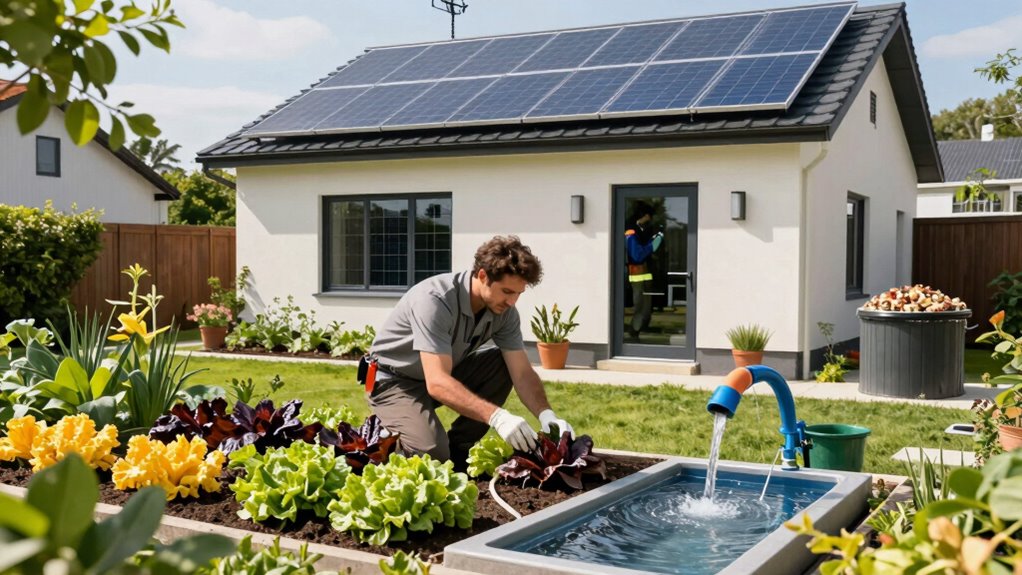
Have you ever wondered how small, proactive steps can make your home more sustainable and cost-effective? Preventive care plays an essential role in achieving this goal. When you regularly maintain your home’s systems and appliances, you boost energy efficiency and water conservation, which are key to creating a more sustainable living space. For instance, keeping your HVAC system in top shape ensures it runs smoothly, reducing energy consumption and lowering your utility bills. Changing filters regularly and scheduling professional tune-ups help prevent breakdowns, saving you money and energy in the long run.
Regular maintenance of home systems boosts efficiency, saves money, and supports a more sustainable lifestyle.
Similarly, attending to your plumbing can greatly impact water conservation. A simple leak, if left unchecked, can waste hundreds of gallons of water annually. By inspecting faucets, toilets, and pipes routinely, you catch leaks early before they turn into costly repairs. Installing water-efficient fixtures, like low-flow showerheads and aerators, becomes even more effective when combined with regular maintenance. These small adjustments not only reduce water bills but also help conserve this essential resource, supporting a more sustainable home environment.
Beyond appliances and plumbing, preventive care extends to your home’s insulation and sealing. Over time, gaps and cracks can develop around windows and doors, leading to drafts that make your heating and cooling systems work harder. Sealing these leaks and adding insulation keeps your indoor climate stable, improving energy efficiency and decreasing your reliance on heating and cooling systems. This proactive approach lessens your carbon footprint and ensures your home stays comfortable year-round without wasting energy. Incorporating energy-efficient practices into your routine can further enhance your home’s sustainability. Regularly checking and upgrading your home’s insulation and sealing is a simple yet effective step toward reducing energy waste. Additionally, utilizing indoor air quality solutions like air purifiers and sensors can ensure a healthier environment while supporting your sustainability goals. Implementing smart home technology can also help monitor and optimize energy usage, making your home even more efficient.
Additionally, staying on top of routine inspections for roofing and drainage systems prevents issues that could lead to water damage or energy loss. Clear gutters and well-maintained roofs protect your home from leaks and dampness, which can compromise insulation and cause mold growth. These preventive measures preserve your home’s integrity and help maintain its energy efficiency over time.
Ultimately, preventive care isn’t just about avoiding costly repairs—it’s about fostering a sustainable lifestyle. By integrating regular maintenance into your routine, you make smarter choices that save resources, cut costs, and lessen your environmental impact. Small, consistent actions, like checking for leaks, maintaining HVAC systems, and sealing drafts, compound over time, transforming your home into a more energy-efficient and water-conscious space. This proactive mindset not only benefits your wallet but also contributes to a healthier planet. When you prioritize preventive care, you’re actively supporting a more sustainable future—one small step at a time. Incorporating biodiversity-friendly practices into your home maintenance can further enhance your efforts to live sustainably.
Products Worth Considering

Samsung 48 4K OLED Smart TV (2026) with WireLogic 8ft Ultra High Speed HDMI Cable

Samsung 43-Inch M70H Series 4K Mini LED Smart TV (2026)

Levoit Core 600S-P Smart Air Purifier for Large Rooms
As an affiliate, we earn on qualifying purchases.
Frequently Asked Questions
How Often Should Preventive Care Inspections Be Scheduled?
You should schedule preventive care inspections annually or semi-annually, depending on your home’s age and system conditions. Regular inspection frequency guarantees you catch issues early, saving energy and reducing waste. Preventive scheduling helps maintain efficiency, prevent costly repairs, and extend your home’s lifespan. By sticking to a consistent inspection routine, you promote sustainability, lower your carbon footprint, and create a healthier living environment for you and your family.
What Are the Cost Benefits of Preventive Home Maintenance?
Preventive home maintenance saves you money by catching issues early, reducing costly repairs later. By maintaining proper home insulation, you improve energy efficiency, lowering heating and cooling costs. Additionally, water conservation measures, like fixing leaks and upgrading fixtures, cut your water bills and prevent damage. These proactive steps extend your home’s lifespan, decrease energy and water expenses, and contribute to a more sustainable, budget-friendly household.
Which Preventive Measures Have the Highest Environmental Impact?
You’ll make a world of difference by focusing on preventive measures like upgrading to energy-efficient appliances and sealing drafts—these actions have the highest environmental impact. Water conservation efforts, such as fixing leaks and installing low-flow fixtures, also considerably reduce resource use. Together, these steps dramatically cut your carbon footprint, save water, and boost your home’s sustainability. It’s like giving your house a green makeover that benefits everyone and the planet!
How Can Residents Effectively Track Their Preventive Care Routines?
You can effectively track your preventive care routines by using smart sensors that monitor your home’s systems in real-time, alerting you to issues before they worsen. Complement this with routine checklists to stay organized and guarantee all maintenance tasks are completed regularly. Combining technology with structured checklists helps you stay proactive, reduces waste, and supports a more sustainable home environment.
Are There Eco-Friendly Materials Recommended for Preventive Repairs?
You can choose eco-friendly materials like low-VOC paints, recycled insulation, and bamboo flooring for preventive repairs. These sustainable repair options reduce environmental impact and promote healthier indoor air quality. While some worry about higher costs, many eco-friendly materials are affordable and durable. By selecting sustainable repair options, you contribute to a greener home, ensuring long-term savings and a healthier environment for your family.
Conclusion
By embracing preventive care, you’re gently steering your home toward a brighter, more sustainable future. Small, thoughtful steps today help avoid bigger, trickier issues tomorrow—like giving your home a cozy, protective hug. With each mindful action, you’re nurturing a space that’s kinder to the environment and more comfortable for you. So, keep tending to your home’s well-being; it’s a lovely way to guarantee a healthier, happier tomorrow for everyone under your roof.