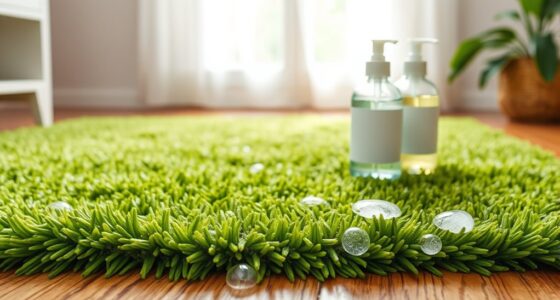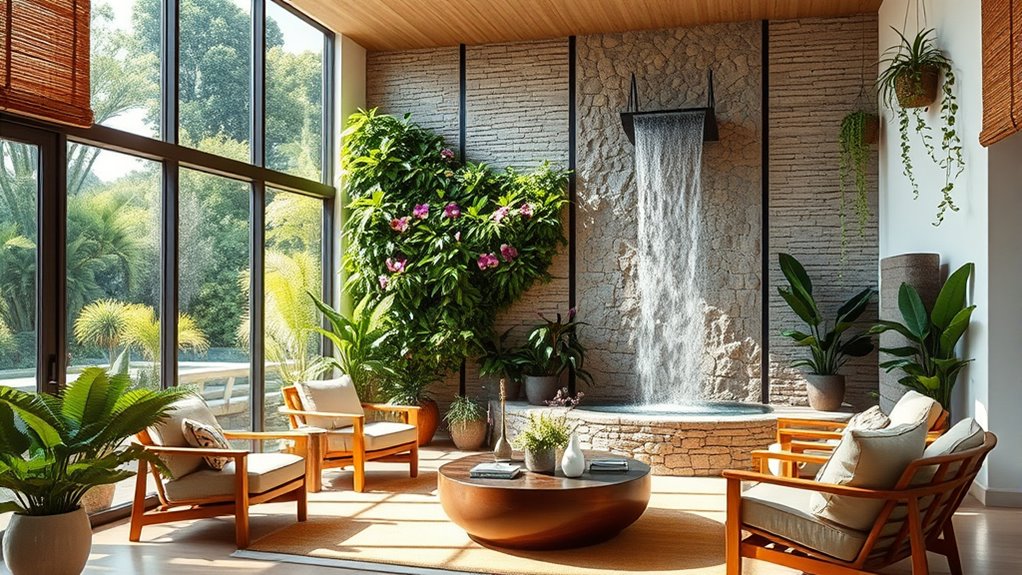

Biophilic design in sustainable luxury combines natural elements, greenery, and eco-friendly materials to create elegant, healthy indoor spaces. You can incorporate lush plants, vertical gardens, reclaimed wood, and organic fabrics to boost aesthetics and your well-being. Small touches like potted plants or natural decor seamlessly blend nature with high-end style. This approach reflects your eco-conscious values while elevating ambiance. Keep exploring how these elements can transform your space into a natural sanctuary that’s both beautiful and responsible.

Get furniture and decor delivered free — and shop member deals
- Fast, free delivery on millions of items
- Access to Prime Big Deal Days deals on October 6–7
- Prime Video, Amazon Music and more included
Key Takeaways
- Incorporates indoor greenery like vertical gardens and moss walls to enhance aesthetics and promote well-being.
- Utilizes natural materials such as reclaimed wood, stone, and organic fabrics to create authentic, eco-friendly luxury interiors.
- Integrates small-scale natural elements, like potted plants and organic decor, for seamless sustainability and style.
- Enhances spaces by blending nature-inspired features that elevate ambiance and support eco-conscious design principles.
- Reflects a growing trend toward environmentally responsible luxury living by combining beauty, sustainability, and restorative qualities.
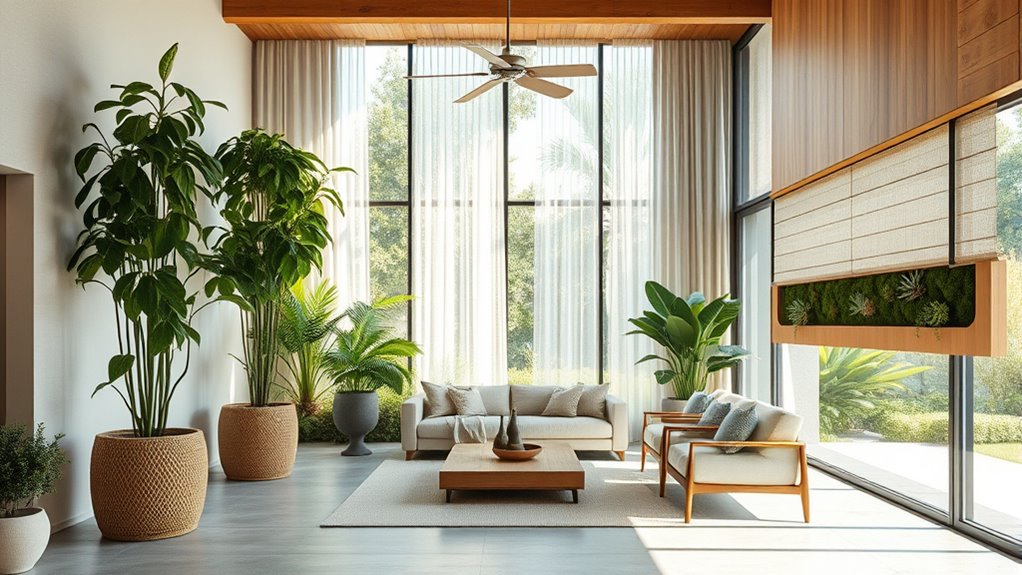
As sustainability becomes a top priority in luxury design, biophilic principles are transforming how we experience high-end spaces. You now have the opportunity to bring nature directly into your environment, creating an oasis that combines elegance with ecological mindfulness. One of the most striking ways to achieve this is through indoor greenery. Incorporating lush plants, vertical gardens, or even moss walls adds a vibrant touch to your space while improving air quality and promoting well-being. It’s not just about aesthetics; these living elements foster a connection to nature that many modern interiors lack. When thoughtfully integrated, indoor greenery becomes a central feature that elevates your space’s ambiance and sustainability profile.
Alongside greenery, natural materials play a pivotal role in biophilic luxury design. Using materials like reclaimed wood, stone, bamboo, and organic fabrics helps create a sense of authenticity and harmony with the environment. These elements are not only sustainable but also add texture and warmth, making your space feel inviting and grounded. Natural materials also tend to age gracefully, developing character over time, which enhances the timeless quality of your interior design. By choosing eco-friendly, locally sourced, or recycled options, you reinforce your commitment to sustainability without compromising on luxury.
Integrating indoor greenery with natural materials doesn’t require a complete overhaul of your space. Small changes, like placing potted plants on sleek wooden shelves or replacing synthetic decor with handcrafted, organic pieces, can make a significant impact. For example, a marble countertop paired with a statement fern or a linen sofa accented with woven throw pillows creates a seamless connection between nature and high-end living. The key is to balance these elements carefully so they complement each other rather than compete for attention. This approach not only enhances aesthetic appeal but also ensures your space aligns with eco-conscious principles.
Ultimately, embracing biophilic design allows you to craft a luxurious environment that nurtures your senses and respects the planet. Indoor greenery and natural materials serve as essential tools in this transformation, offering a way to enjoy the beauty of nature without leaving your home. By thoughtfully integrating these elements, you create a sophisticated, sustainable haven that reflects your values and elevates your lifestyle. This synergy of nature and luxury underscores the future of high-end design—beautiful, responsible, and deeply restorative. Incorporating best beaches and other outdoor inspirations can further enhance your connection to nature and elevate your luxurious space.
Frequently Asked Questions
How Does Biophilic Design Impact Indoor Air Quality?
Biophilic design improves indoor air quality by promoting natural ventilation, which helps circulate fresh air and reduce pollutants. It often incorporates air purification elements like plants that absorb toxins and increase oxygen levels. By integrating natural ventilation and air-purifying greenery, you create a healthier indoor environment, reducing allergens and airborne contaminants. This approach enhances comfort and well-being, making your space more sustainable and inviting.
What Are Cost-Effective Ways to Incorporate Biophilic Elements?
Think of your space as a blank canvas waiting for a splash of green. To incorporate affordable greenery, try DIY plant projects like creating hanging gardens or repurposing jars for succulents. These simple, cost-effective methods bring nature indoors without breaking the bank. Not only do they boost aesthetics, but they also improve air quality, making your environment healthier and more inviting—proving that small efforts can create big, natural impacts.
Are There Specific Plants Best Suited for Luxury Interiors?
You should choose luxury plant selections like fiddle leaf figs, snake plants, or monstera deliciosa for your interiors. These interior greenery choices add elegance and thrive in indoor environments, making them ideal for sophisticated spaces. Their lush leaves and striking shapes enhance your luxury design. Opt for plants with clean lines and vibrant foliage to create a refined, natural atmosphere that complements your upscale aesthetic effortlessly.
How Does Biophilic Design Influence Mental Well-Being?
Think of biophilic design as a gust of fresh air for your mind. It boosts mental well-being by connecting you to nature therapy, which naturally alleviates stress and enhances mood. When you incorporate natural elements indoors, you invite tranquility and focus into your daily life. This seamless bond with nature creates a sanctuary where stress reduction is effortless, empowering you to feel more centered, energized, and at peace.
What Maintenance Is Required for Sustainable Indoor Greenery?
You need to regularly maintain your indoor greenery by following specific watering schedules to keep your plants healthy. Plant pruning is essential to remove dead or overgrown leaves, encouraging growth and preventing disease. Additionally, monitor light levels and adjust watering accordingly. Regularly check soil moisture and prune as needed, ensuring your sustainable indoor plants thrive and continue to enhance your space’s natural beauty and well-being.
Conclusion
Embracing biophilic design in sustainable luxury allows you to bring nature indoors, creating spaces that nourish both your body and soul. As the saying goes, “A house is built with walls and beams; a home is built with love and dreams.” By integrating natural elements, you not only elevate your environment but also contribute to a healthier planet. Remember, small changes today can make a big difference tomorrow—so start blending nature into your luxury spaces now.
Halloween Picks
halloween
As an affiliate, we earn on qualifying purchases.