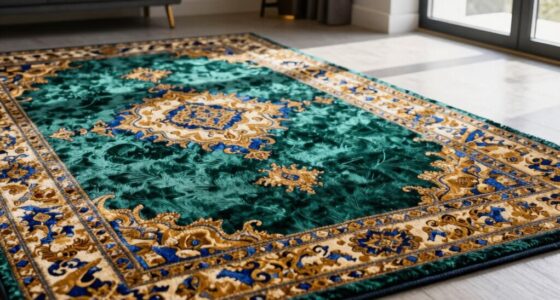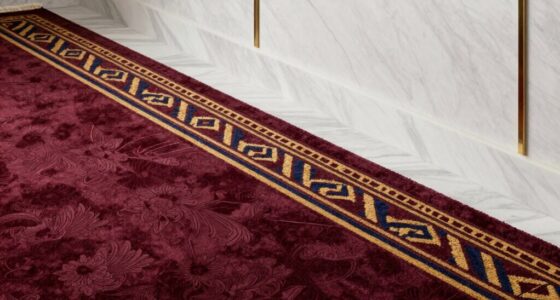
To achieve visual balance in styling, consider using symmetry for a harmonious, orderly look by evenly distributing colors, accessories, and shapes on both sides. For a more dynamic, energetic vibe, embrace asymmetry with bold colors and intentionally uneven placements that highlight personality and creativity. Think about the mood you want to convey—calm or lively—and choose your approach accordingly. If you explore further, you’ll uncover ways to master both styles for any occasion.
Key Takeaways
- Symmetry creates a balanced, harmonious look by mirroring elements and colors on both sides, ideal for a calm, classic aesthetic.
- Asymmetry introduces visual interest and energy through uneven arrangements and contrasting colors, suited for modern or dynamic styles.
- Symmetrical styling emphasizes order and stability, while asymmetry highlights personality and spontaneity in design.
- Both approaches require careful coordination of accessories and colors to achieve intentional visual balance.
- Choice between symmetry and asymmetry depends on the desired mood, setting, and personal style preferences.
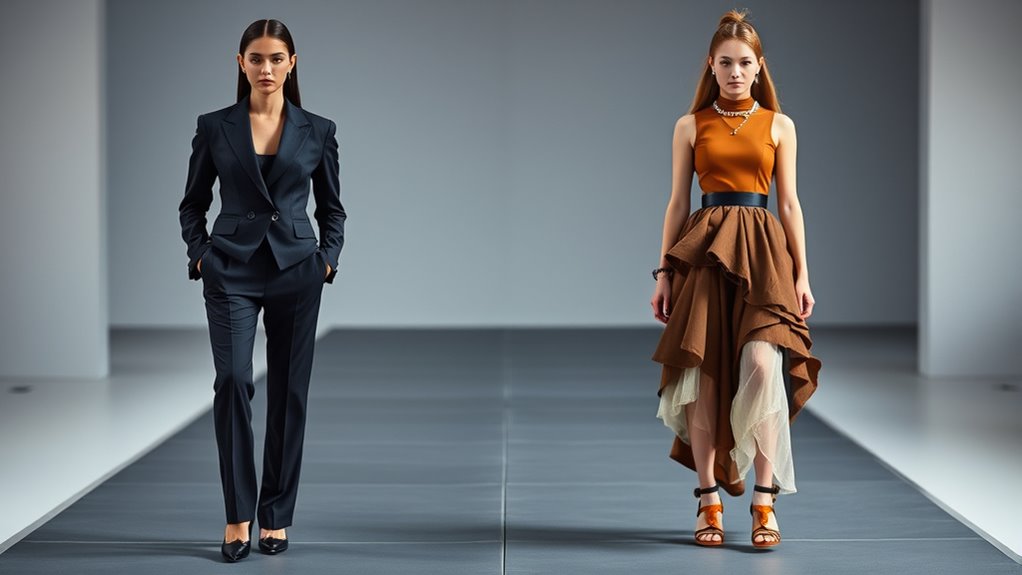
Have you ever wondered whether symmetry or asymmetry best suits your style? When it comes to creating a balanced look, understanding the nuances between these two approaches can make a significant difference. Symmetry involves mirroring elements on either side of a central line, offering a sense of order and harmony. Asymmetry, on the other hand, plays with uneven arrangements, creating visual interest and a dynamic feel. Your choice depends on the image you want to project and your personal preferences.
Symmetry offers harmony; asymmetry creates dynamic visual interest—choose based on your style and message.
Color coordination is a key factor in achieving balance, regardless of whether you lean toward symmetry or asymmetry. For symmetrical styling, you’ll want to pick colors that complement each other and are evenly distributed across your outfit or space. This creates a cohesive, polished appearance that feels stable and well-thought-out. For instance, if you’re wearing a patterned shirt with matching accessories, make sure the colors are mirrored on both sides to reinforce symmetry. Conversely, if you prefer asymmetry, you can experiment with contrasting or bold color choices placed unevenly. Maybe you add a pop of color with a statement accessory on one side, while keeping the rest of your look subdued. This approach draws attention and adds personality without sacrificing balance.
Accessory placement plays a vital role in defining the overall aesthetic. Symmetrical styling often involves carefully matching accessories, such as earrings, necklaces, or bracelets, on both sides of your body. This creates a sense of equilibrium and can enhance classic, elegant looks. Asymmetrical accessory placement, however, invites more creativity. You might wear a statement earring on one side and skip the other altogether, or layer necklaces of different lengths and styles to produce visual intrigue. The key is to maintain a sense of balance despite the uneven arrangement. When done thoughtfully, asymmetry can highlight your unique personality and make your style more memorable.
Ultimately, mastering visual balance through symmetry or asymmetry involves a keen eye for detail. Keep in mind that symmetry emphasizes predictability and calmness, making it ideal for formal or traditional styles. Asymmetry injects energy and spontaneity, perfect for casual or avant-garde looks. Additionally, understanding the role of visual balance in interior design, such as in a farmhouse bedroom, can help create a harmonious space that reflects your personality. Whether you opt for a mirror-image outfit or an intentionally uneven arrangement, understanding how to coordinate colors and strategically place accessories ensures your style remains intentional and striking. So, consider your mood, the setting, and what message you want to send—because both symmetry and asymmetry can help you craft a look that truly reflects who you are.
As an affiliate, we earn on qualifying purchases.
Frequently Asked Questions
How Can Asymmetry Create a Sense of Movement in Styling?
You can create a sense of movement in styling through asymmetry by introducing dynamic tension, which keeps the eye engaged and moving across the look. By intentionally balancing different elements unevenly, you establish visual rhythm that guides viewers smoothly from one part to another. This lively interplay adds energy and interest, making your style appear more vibrant and enthralling, as your eye naturally follows the asymmetrical details.
Is Symmetry Always More Appealing Than Asymmetry?
Symmetry isn’t always more appealing; think of it as a perfectly still pond, calm but sometimes dull. Asymmetry adds contrast and excitement, creating a dynamic focal point that draws the eye. Balance is key—neither is inherently better. You should choose based on the mood you want to evoke. Sometimes, a touch of asymmetry makes your style more vibrant and engaging, while symmetry offers harmony and order.
How Do Cultural Differences Influence Preferences for Symmetry or Asymmetry?
Cultural differences greatly influence your preference for symmetry or asymmetry, as cultural symbolism shapes aesthetic diversity. For example, in some cultures, symmetry symbolizes harmony and perfection, making it more appealing. In others, asymmetry reflects individuality and dynamic energy, which you might find more attractive. Your taste is molded by these cultural cues, encouraging you to appreciate diverse visual balances that resonate with your cultural background and personal values.
Can Combining Both Styles Enhance Overall Visual Harmony?
Mixing both styles is like blending yin and yang; it creates a dynamic visual harmony. You can use contrast techniques to highlight focal points, balancing symmetry’s stability with asymmetry’s visual interest. This interplay keeps the eye engaged and adds depth, making your styling more compelling. By thoughtfully combining these approaches, you enhance overall visual harmony, allowing each element to complement the other and craft a balanced yet lively aesthetic.
What Are Common Mistakes to Avoid When Balancing Symmetry and Asymmetry?
You should avoid overmatching patterns, which can make your design look cluttered and overwhelming. Ignoring focal points is another mistake; always guarantee there’s a clear visual anchor to guide the eye. Balance symmetry and asymmetry thoughtfully, rather than overdoing one. Keep in mind that too much symmetry can feel static, while excessive asymmetry may create chaos. Strive for harmony by intentionally blending both styles without losing focus.
Conclusion
Ultimately, mastering balance in styling is like conducting a dance—symmetry offers harmony, while asymmetry brings exciting movement. Both can elevate your look, depending on your mood and message. Think of symmetry as the steady beat and asymmetry as the spontaneous melody; together, they create a visual symphony. Embrace both approaches, and you’ll find your style becomes a mesmerizing rhythm that keeps everyone’s eyes drawn in, enthusiastic for the next graceful move.