TL;DR
Interior designers interviewed by Apartment Therapy recommend keeping seven kinds of household decor: personal and sentimental items, printed photographs, classic furniture, benches, vintage rugs, limited-edition works and handmade pieces. Their suggestions focus on adaptability, personal meaning and potential resale value, but they are design opinions rather than guarantees about an item’s future value or usefulness.
Apartment Therapy has published advice from interior designers on seven types of household items they say can be worth keeping through redecorating, moving or a clear-out, including sentimental objects, printed photographs, classic furniture, benches, vintage rugs, limited-edition pieces and handmade goods. The recommendations offer ways to reuse or adapt items rather than treating a change in style as a reason to discard them.

Get furniture and decor delivered free with Prime
- Fast, free delivery on millions of items
- Prime Video, Amazon Music and more included
- Member-only deals all year
The designers’ first recommendation is to keep objects that matter personally, even when they do not match a room’s current look. Designer Angela Todd says surrounding colors, textures and other choices can help an individual piece fit into a space. Tiffany Hanken describes using inherited china in her home, mixing it with newer tableware and using it for meals rather than storing it away solely because it is old or formal.
Designer Ian Stallings advises keeping printed photographs despite the shift to digital images. For furniture, Elizabeth Stamos points to classic shapes such as wingback chairs, Chesterfield sofas and tufted headboards. Her advice is to look at a piece’s underlying form and consider reupholstering it in a preferred fabric; she also suggests used-furniture listings as a way to find pieces that need work.
Lauren Clement says benches can move between rooms and take on different uses, from entryway or dining seating to a spot at the foot of a bed. She notes that paint or new upholstery can change their appearance. Hailey Weidenbaum recommends holding on to vintage rugs, which can be stored, resold or layered with another rug if their size or pattern does not suit a room. Designer Sara Story cautions against casually discarding limited-edition art and design objects, while maker-fair organizer Brad Ford says handmade pieces can carry a distinctive story and serve as conversation starters.
Keep what still works and what still matters
Interior designers share seven kinds of household items to consider keeping through a move, redecorating or clear-out. Their advice weighs personal meaning, adaptability and possible resale appeal.
Keep for personal meaning
Some pieces matter because of their stories, even if they do not match a room’s current look.
Personal objects
Inherited china can join newer tableware and return to everyday use.
Printed memories
Designers suggest keeping printed photographs despite the shift to digital images.
Distinctive pieces
Handmade objects can carry a story and become conversation starters.
Adapt the furniture
A piece’s shape and structure may outlast its current fabric, finish or location.
Classic forms such as wingback chairs and Chesterfield sofas may suit a new fabric.
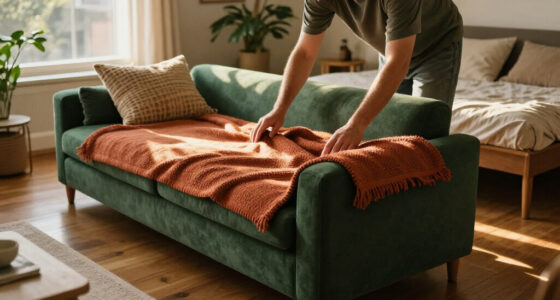
Move one between rooms for entryway, dining or bedroom seating; paint or new upholstery can refresh it.
Consider condition, repair costs, space and your needs before restoring or storing a piece.
Reuse rugs and collectables
A mismatch with one room does not rule out another arrangement or future use.
- Store for a later room
- Layer with another rug
- Consider resale
- Keep art and design objects you value
- Do not assume rarity guarantees demand
- Judge each piece on its own
Reuse Can Preserve Meaning and Utility
The recommendations matter to readers deciding what to keep during a move, renovation or routine clean-out. They suggest judging possessions by sentimental value, construction, versatility and potential reuse, rather than by whether each item fits a single room or current decorating trend. An inherited set of dishes, for example, can remain in regular use when combined with newer pieces; a bench can serve different functions as household needs change.
Keeping an item does not mean leaving it unchanged or displaying it in the same way indefinitely. Reupholstery, repainting, pairing a rug with another floor covering, or finding a new location can give an existing piece a different role. Such options may help people avoid replacing usable items, although the article does not quantify cost savings or environmental effects.
The advice also distinguishes practical adaptability from personal attachment. A family photograph or handmade object may be worth keeping to its owner even if it has no resale market. Conversely, the possibility that a collectible could sell later is not a guarantee of future demand or a particular price.
Products Worth Considering

Ring Wired Doorbell Pro (3rd Gen) with Chime Plus, Deep Silver

Philips Hue Bridge Pro Smart Lighting Hub

Dyson Purifier Hot+Cool HP2 De-NOx
As an affiliate, we earn on qualifying purchases.
Seven Categories, Different Reasons
The article groups its advice around seven categories, but the reasons for keeping them vary. Some objects are valued for personal history: inherited china, photographs and handmade pieces. Others are presented as adaptable furnishings, such as benches and classically shaped upholstered furniture. Vintage rugs and limited editions are discussed partly for their possible market value or continuing demand.
The recommendations come from designers and design-industry voices quoted by Apartment Therapy, rather than from a study comparing household costs, resale outcomes or environmental impact. They are practical perspectives, not a claim that every item in these categories will suit every home. Condition, available space, repair costs and individual preference all affect whether keeping a particular object makes sense.
““Any item can work given the right selections, colors, and textures surrounding it.””
— Angela Todd, designer
Value Depends on Each Item
The advice does not establish that all vintage rugs, limited editions or classic furniture will retain or gain monetary value. Resale prices and demand can vary, and the article provides no market data, valuations or time frame for any future appreciation. A limited production run alone does not guarantee that an object will become more valuable.
It is also not possible to determine from the recommendations whether keeping or restoring a particular piece will cost less than replacing it. The condition of the item, the price of repairs or reupholstery, storage space and the owner’s needs will all matter. The designers offer general guidance, not an item-by-item assessment.
Apply the Advice at Home
Readers considering a clear-out can start by sorting items according to why they might keep them: personal meaning, practical use, repair potential or collectible interest. For furniture, inspect its structure and compare restoration costs before deciding. For rugs or objects that do not suit the current room, consider storage or a different arrangement; for photographs and handmade pieces, choose a display or use that fits the household.
The article announces no follow-up study, sale or scheduled design event. Any next step is a household decision: the recommendations can help frame it, but owners will need to judge condition, space, budget and personal attachment for themselves.
Key Questions
Which household items do the designers recommend keeping?
The article names sentimental decor, printed photographs, classic furniture, benches, vintage rugs, limited-edition pieces and handmade items.
How can an old piece of furniture be reused?
The designers suggest looking beyond its current fabric or finish. A classic chair or sofa may be reupholstered, while a bench can be repainted, recovered or moved to another room.
Do vintage rugs and limited-edition pieces always increase in value?
No. The article says these items may have resale appeal, but it provides no guarantee of future demand, price or appreciation.
Should sentimental objects be kept even if they do not match a room?
The designers say personal attachment can be a reason to keep an object, and that colors, textures and other furnishings can help it fit into a room. The choice depends on the owner’s preferences and available space.
Source: apartmenttherapy.com