
TL;DR

Get furniture and decor delivered free with Prime
- Fast, free delivery on millions of items
- Prime Video, Amazon Music and more included
- Member-only deals all year
House Beautiful reports seven paint approaches designers use to make small rooms feel more spacious, including painting walls and ceilings one color, choosing shades by their undertones and light, and trying an accent wall. These are design recommendations based on visual perception, not guarantees that a room will physically appear larger in every setting.
House Beautiful has outlined seven paint techniques that interior designers say can make small rooms feel more spacious, including color-drenching walls and trim, painting the ceiling, and selecting colors with a room’s natural light in mind. The guidance concerns visual perception: it does not change a room’s dimensions, and the effect depends on the space, color and lighting.
The report draws on comments from interior designers Joe Waroquier, founder and principal designer of Joe Waroquier Home; Amber Guyton, founder of Blessed Little Bungalow; and Jewel Marlowe. Their suggestions range from limited applications of color to painting most or all of a room’s surfaces. The article presents them as design strategies, not as results from a controlled study.
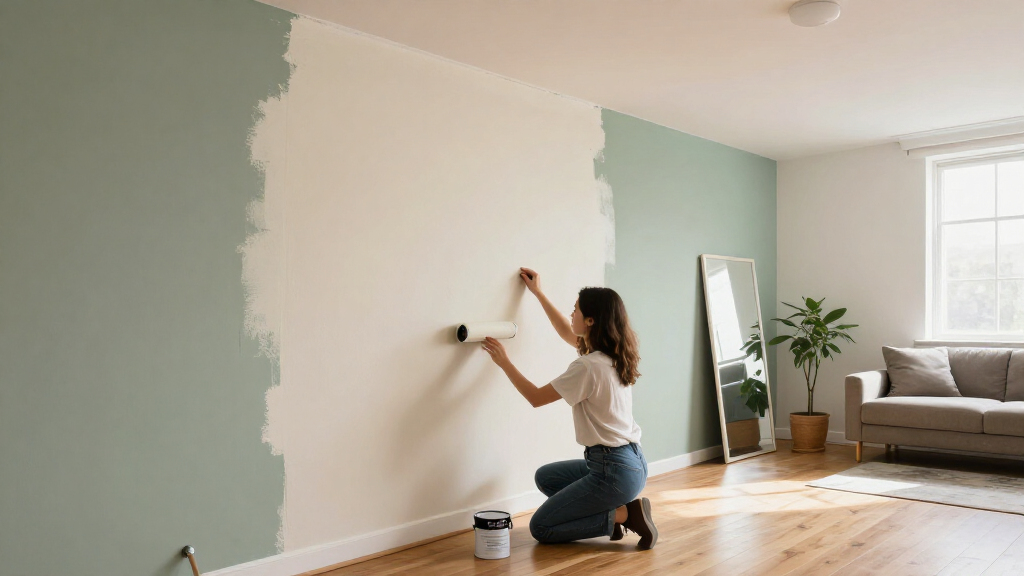
For a restrained change, Guyton recommends an accent wall, which she says can add color while visually elongating a room. She also suggests splitting a wall’s paint treatment at roughly four to six feet, around chair-rail height, or using wainscoting. The approach can add a defined band of color without covering the full height of the walls.
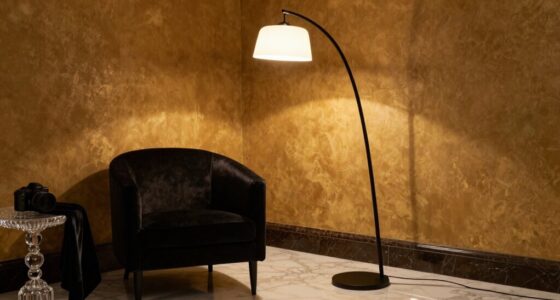
For a more enveloping effect, Marlowe recommends applying one color across walls, trim, doors and ceiling. She says this can blur the boundaries between architectural surfaces. She also suggests creating contrast through finish, such as wipeable matte walls paired with high-gloss trim or cabinetry. Other options in the report include painting the ceiling to soften the wall-to-ceiling boundary, considering deep, saturated shades rather than ruling them out, and judging colors against a room’s natural light.
Paint Changes Room Boundaries
The recommendations offer renters and homeowners ways to alter a room’s visual character without changing its footprint. Paint can draw attention to selected surfaces, soften the transition between walls and ceiling, or make architectural edges less prominent. That may affect whether a compact space feels open, cohesive or deliberately cozy, even though the room itself remains the same size.
The report also challenges a common rule of thumb that small rooms should always be painted pale. Its designers say dark or saturated colors can add perceived depth, while some light shades may look flat or gray in dim conditions. The practical takeaway is not that one color family works everywhere, but that the intended effect and the room’s lighting should guide the choice.
Products Worth Considering

Philips Hue Large Smart Light Tube, Black – White and Color Ambiance LED Color-Changing Light – 1 Pack

Shark Rocket Pet Plus Corded Stick Vacuum, Bordeaux, HV322

LG C2 Series 65-Inch OLED evo 4K Smart TV (OLED65C2PUA, 2022)
As an affiliate, we earn on qualifying purchases.
Seven Approaches, Different Effects
The seven techniques in the report are an accent wall; color-drenching; checking undertones; painting the ceiling; dividing a wall’s color treatment; considering dark hues; and letting natural light guide the choice. They vary in commitment: a half-height treatment or single accent wall is more limited than covering walls, ceiling and trim in the same shade.
Waroquier advises testing large paint swatches in the room and viewing them at different times of day before choosing a color. That recommendation reflects how natural and artificial light can affect a paint’s appearance. Guyton’s example of painting halfway up a living-room wall was shaped by her own room’s 18-foot ceilings; it is an individual design example, not a universal measurement or prescription.
“Paint is a great way to make a small room feel larger because it changes the visual perception of the space.”
— Joe Waroquier, founder and principal designer of Joe Waroquier Home
Results Depend on the Room
The report does not provide measurements, comparative testing or evidence that one technique reliably works across different small rooms. The designers’ comments describe their professional views and personal examples. A color’s appearance can vary with natural light, existing finishes, room proportions and the chosen paint finish.
It is also unclear from the source how much a particular technique changes a viewer’s sense of space, or how different readers would judge the results. The recommendations should be read as options to test in an individual room, not promises that paint will make every small space feel larger.
Test Colors Before Painting
The report does not announce a product launch, new policy or scheduled follow-up. For readers applying its advice, the next step suggested by Waroquier is to test several large swatches in the actual room and observe them under changing light before settling on a shade. Those considering color-drenching can also decide whether to use one finish throughout or create contrast between matte walls and glossier trim or cabinetry.
Which approach suits a room will depend on its light, surfaces and the look the occupant wants. The source offers no specific timeline or guarantee of results; the outcome can only be judged once the color and finish are seen in that space.
Key Questions
What is color-drenching?
Color-drenching means applying one color to several or all major surfaces in a room, such as the walls, trim, doors and ceiling. Designer Jewel Marlowe says the approach can blur the boundaries between those surfaces.
Do designers recommend only light colors for small rooms?
No. The report includes advice to consider deep, saturated shades, which Joe Waroquier says can blur a room’s edges and create a cocooning effect. The designers also caution that a color’s appearance depends on lighting and undertones.
How high should a half-painted wall go?
Amber Guyton suggests painting roughly four to six feet up a wall, around chair-rail height, or using wainscoting. The report presents this as one design option, not a fixed rule for every room.
How should I test paint colors for a small room?
Joe Waroquier recommends testing several large swatches in the room and checking them at different times of day. That helps show how the color looks under the space’s changing natural light.
Source: housebeautiful.com