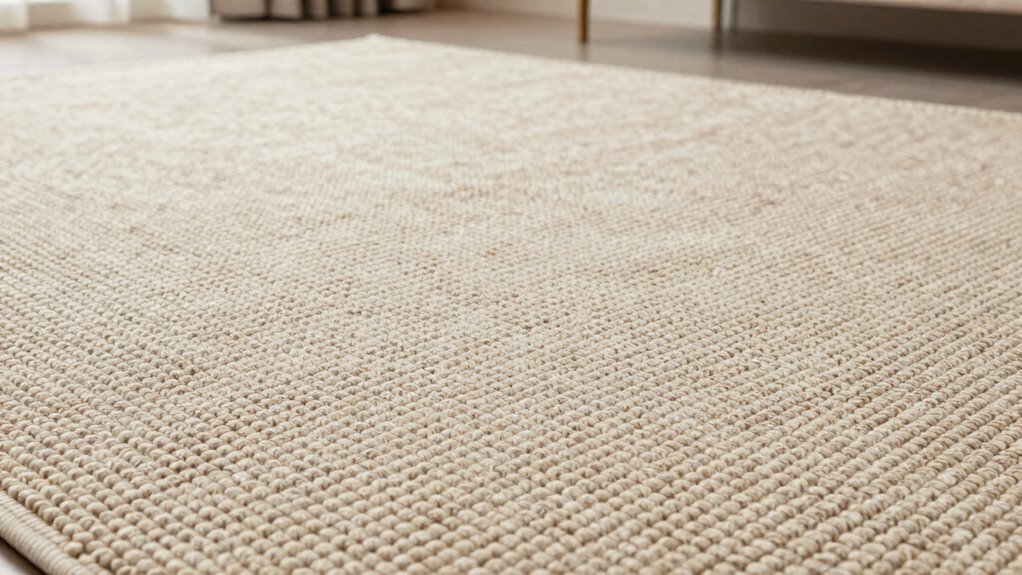

A low shed rug means it releases fewer fibers and allergens into the air, which can help improve allergy symptoms. It’s usually made from durable, tightly woven materials like synthetic fibers or dense natural fibers, reducing fiber breakage and debris buildup. Proper care and cleaning are essential, even with low shed rugs, to keep allergens at bay. To discover how to choose and maintain these rugs effectively, keep exploring this guide.

Get furniture and decor delivered free — and shop member deals
- Fast, free delivery on millions of items
- Access to Prime Big Deal Days deals on October 6–7
- Prime Video, Amazon Music and more included
Key Takeaways
- “Low shed” rugs release fewer fibers and allergens, reducing airborne irritants and supporting allergy management.
- Durable, tightly woven fibers, especially synthetic options like nylon or polyester, minimize fiber shedding.
- Proper maintenance, including regular vacuuming with HEPA filters, enhances the allergy-friendly benefits of low shed rugs.
- Natural fibers like wool and sisal tend to shed less and trap fewer allergens when well-constructed.
- Choosing rugs with non-toxic dyes and dense construction ensures lower chemical emissions and allergen buildup.
As an affiliate, we earn on qualifying purchases.
Why Do Rugs Make Allergies Worse, and How Can “Low Shed” Help?
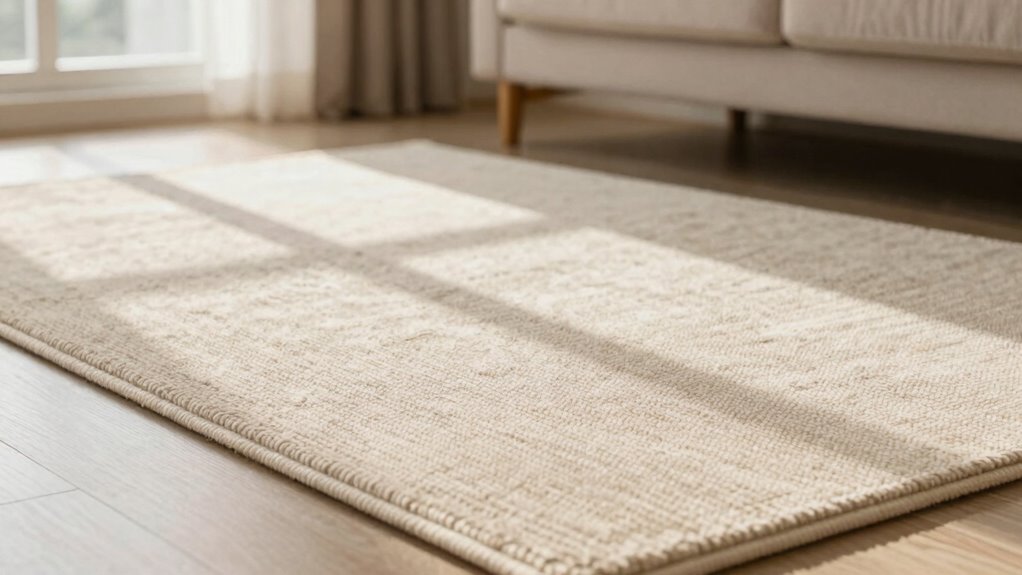
Rugs can worsen allergies because they trap dust, pet dander, pollen, and other airborne irritants, providing a breeding ground for allergens. The fiber durability of a rug influences how much debris it can hold; sturdier fibers resist breaking down and trapping particles better. Additionally, dye safety is vital—low-quality dyes may emit volatile organic compounds (VOCs) or shed dyes that irritate sensitive airways. Choosing rugs with high fiber durability ensures they don’t shed fibers or break apart easily, reducing allergen buildup. Safe, non-toxic dyes prevent chemical emissions that can worsen allergy symptoms. By selecting rugs with strong fibers and dye safety, you minimize the accumulation of airborne allergens, making your space healthier and easier to keep clean. Moreover, fiber durability plays a crucial role in how well a rug maintains its integrity over time, impacting allergen retention and overall cleanliness.
Understanding Shedding: What It Means for Allergy Sufferers
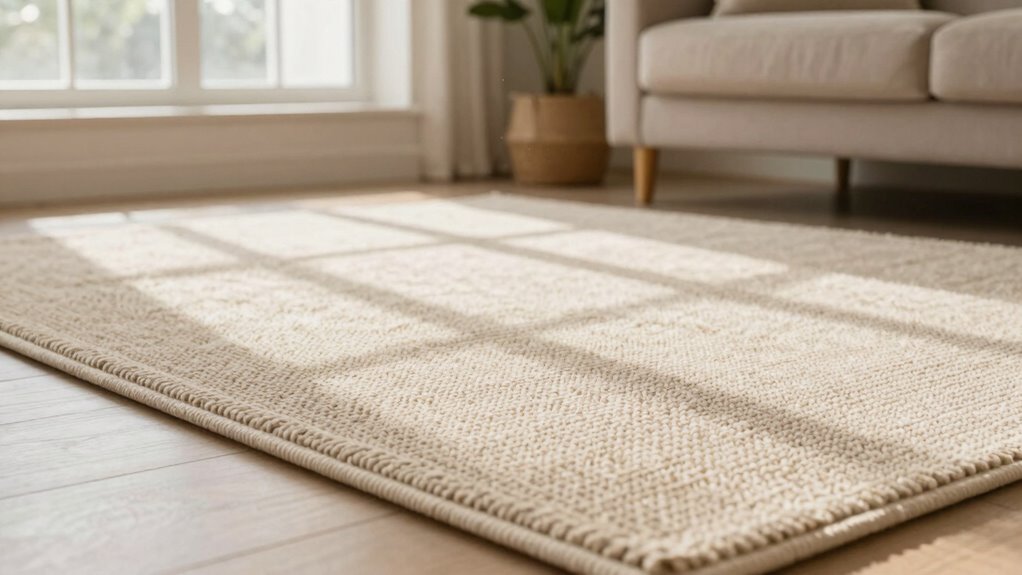
Shedding can considerably impact allergy sufferers by releasing allergens into the air. Choosing rugs made from hypoallergenic materials can help reduce this problem. Understanding how shedding and material choices affect allergies will help you make better decisions for a healthier home. Additionally, selecting Free Floating rug styles can minimize the accumulation of allergens and make cleaning easier.
Shedding and Allergies
Because shedding can substantially impact allergy sufferers, understanding what it involves is essential. Shedding occurs when fibers loosen from the rug’s surface, releasing particles into the air. Rugs with higher fiber density tend to shed more because they contain more fibers that can come loose. This ongoing shedding can increase exposure to allergy triggers like dust mites, pet dander, and pollen trapped within the fibers. Even low-shed rugs may release some fibers, but the amount is generally less and easier to manage. Recognizing how shedding affects your environment helps you choose rugs that minimize allergens, reducing your symptoms. Keeping shedding under control involves regular cleaning and selecting rugs designed to shed less, making your space more comfortable and allergy-friendly. Additionally, understanding the color accuracy in your decor choices can help create a more soothing environment that minimizes visual clutter and stress for allergy sufferers.
Hypoallergenic Materials Used
Choosing rugs made from hypoallergenic materials can substantially reduce shedding and allergen release. Many hypoallergenic rugs use specific fiber blends designed to minimize fiber shedding, which helps keep allergens at bay. Synthetic fibers are a popular choice because they’re durable, resistant to mold, and less likely to shed compared to natural fibers. These fibers are engineered to resist the release of dust and pet dander, making them ideal for allergy sufferers. When shopping, look for rugs made from synthetic fibers like nylon, polyester, or polypropylene, as they tend to shed less and are easier to clean. Hypoallergenic materials focus on reducing allergen buildup, so choosing the right fiber blends can make a significant difference in creating a healthier, allergy-friendly environment. Additionally, advances in AI content creation have led to more informed product descriptions and marketing strategies, helping consumers make better choices for allergy-friendly home improvements.
Myths About Low Shed Rugs and Allergy Relief: Debunked
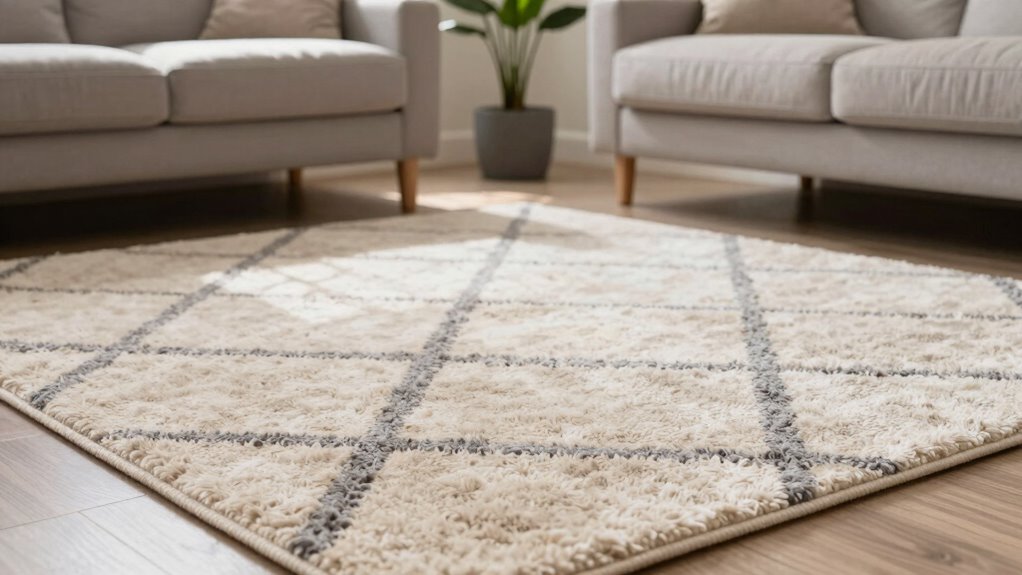
Many people believe that low shed rugs automatically eliminate allergy symptoms, but this isn’t entirely true. While these rugs shed less, they don’t eradicate allergens completely. A common myth is that low shed rugs instantly improve allergy relief, but fiber durability and colorfastness don’t directly impact allergen levels. Rug shedding can still release dust and dander if fibers break down or wear over time. Also, some rugs with high fiber durability might still shed if they aren’t properly maintained. Colorfastness ensures the rug’s appearance remains intact, but it doesn’t influence allergen control. To truly reduce allergens, you need a consistent cleaning routine, not just a rug labeled as “low shed.” Regular air purifier use can further help mitigate airborne allergens. Remember, no rug is a guaranteed allergy cure; ongoing care matters most.
Materials That Help Reduce Shedding and Keep Allergens at Bay

Choosing rugs made from natural fibers can considerably reduce shedding and allergen buildup in your home. Hypoallergenic materials are designed to resist dust mites and mold, making them a smart choice for allergy sufferers. By selecting these options, you create a cleaner, healthier environment for everyone. Additionally, employing study techniques and exam preparation strategies can help you make more informed decisions when selecting the best rug materials for allergy relief.
Natural Fibers for Low Shedding
Natural fibers like wool, hemp, and sisal are excellent choices for allergy-friendly rugs because they tend to shed less than synthetic fibers. These natural materials are tightly woven, reducing the amount of loose fibers that can become airborne and trigger allergies. Unlike synthetic fibers, which often shed more and accumulate dust and allergens, natural fibers help maintain a cleaner environment. When choosing a rug, also consider the quality of rug padding; a good pad can prevent fibers from loosening and further minimize shedding. Regular vacuuming with a HEPA filter can enhance these benefits, but natural fiber rugs inherently shed less, making them a smart option for allergy sufferers. Additionally, fiber density plays a crucial role in how much shedding occurs and can influence your choice of rug. Overall, natural fibers offer a sustainable, less allergenic alternative for your home.
Hypoallergenic Material Choices
When selecting rugs for an allergy-friendly home, focusing on hypoallergenic materials can make a significant difference in reducing allergens. Choose fibers known for dye stability, which resist fading and prevent dye particles from becoming airborne. Synthetic fibers like nylon, polyester, or Triexta often offer this advantage, minimizing dye-related allergens. Additionally, consider rug thickness; a thinner rug tends to shed less and is easier to clean thoroughly. Thick rugs may trap more dust and allergens, increasing the risk of reactions. Opting for low-pile options helps reduce shedding and makes regular vacuuming more effective. Selecting rugs made from hypoallergenic materials with stable dyes and appropriate thickness can contribute to a healthy indoor environment, and considering the rug’s construction and maintenance can further reduce allergen buildup. By choosing hypoallergenic materials with stable dyes and appropriate rug thickness, you create a cleaner, healthier environment that’s better suited for allergy sufferers.
How to Spot Truly Low Shed Rugs When Shopping
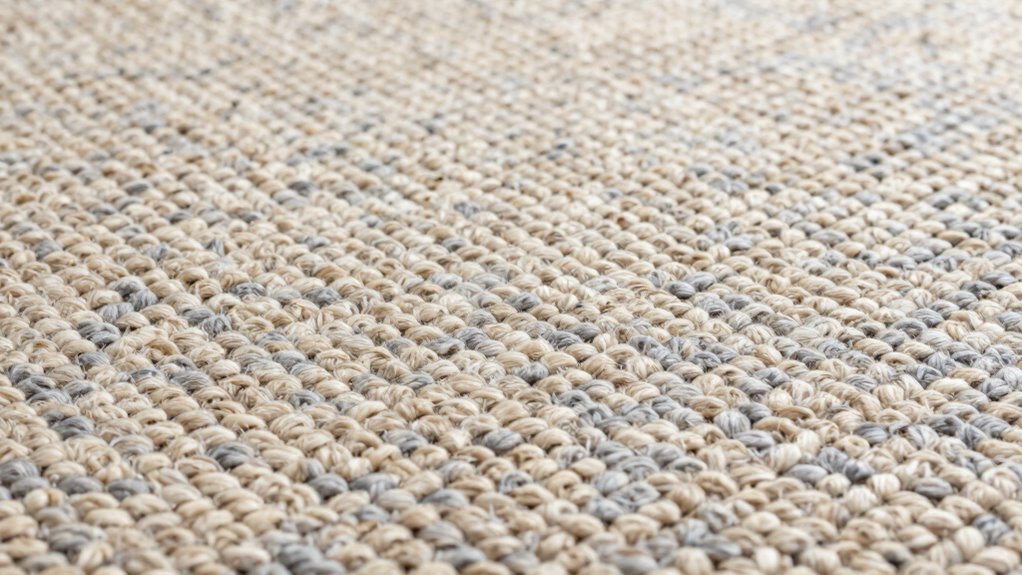
To spot truly low shed rugs when shopping, pay close attention to the material and construction. Rugs with tightly woven fibers shed less, so look for those made with high-quality materials and dense pile. Check how the rug is dyed; natural or low-impact rug dyeing techniques often produce less shedding compared to chemical dyes. Additionally, consider the rug padding; a good-quality padding helps keep fibers in place and reduces shedding over time. Feel the rug’s surface—if it feels loose or fuzzy, it’s more likely to shed. Always ask about the manufacturing process and whether the rug has been treated to minimize shedding. For better long-term results, understanding auditory processing and how it relates to environmental sensitivities can help in choosing non-offensive, hypoallergenic options. By focusing on these factors, you can choose a rug that’s truly low shed and allergy-friendly.
Keep Your Rug Shedding Less: Tips for Maintenance and Cleaning
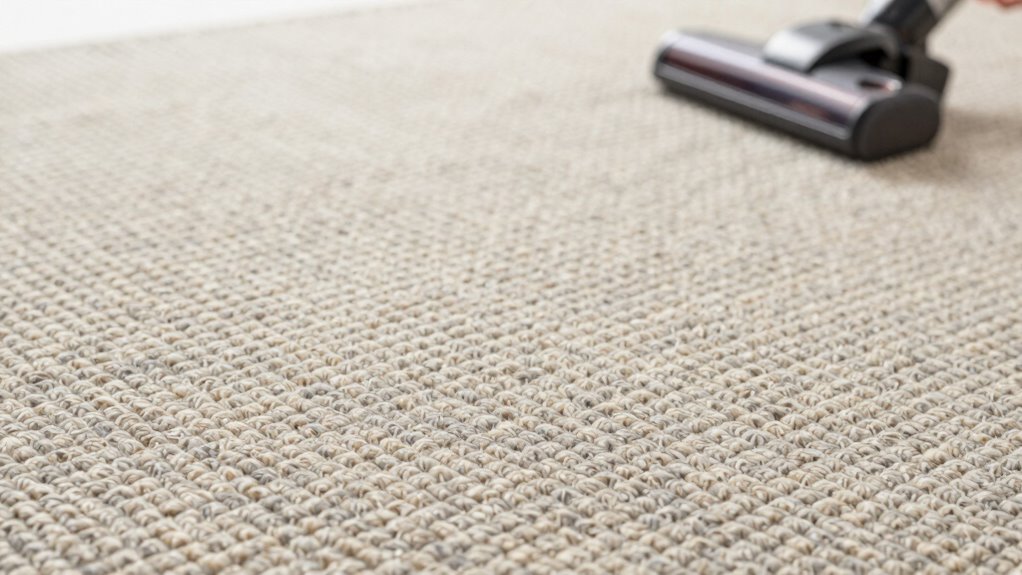
Regular maintenance is essential for keeping your rug shedding minimal over time. Start by vacuuming regularly with a powerful, high-quality rug vacuum to remove loose fibers and prevent excess shedding. Focus on all areas, especially high-traffic zones, to keep the rug looking fresh and minimize fiber loss. Pet hair removal is also vital—use a brush or specialized pet hair remover to tackle stubborn hair that can contribute to shedding. If you notice loose fibers, gently shake or beat the rug outdoors to dislodge them. Avoid harsh chemicals or excessive cleaning, which can damage fibers and increase shedding. Incorporating sound vibrations into your cleaning routine can help loosen embedded fibers and maintain your rug’s integrity. Consistent, gentle care helps maintain your rug’s integrity, reduces shedding, and keeps it looking clean and allergy-friendly.
Are Low Shed Rugs Effective for Allergy Relief? What the Evidence Says
Low shed rugs are often marketed as a solution for allergy sufferers, promising to reduce airborne allergens like pet dander and dust mites. However, the evidence on their effectiveness remains mixed. Some studies suggest that rugs with low shedding fibers can trap pet dander and dust, preventing them from circulating in indoor air. Yet, if not cleaned regularly, allergens can accumulate and still impact your allergy symptoms. To understand this better, consider the following ideas:
| Effectiveness Factors | Key Points |
|---|---|
| Allergen trapping | Low shed rugs can trap pet dander |
| Indoor air quality | Regular cleaning improves results |
| Cleaning frequency | Essential for allergen control |
| Material type | Influences allergen retention |
| Personal allergies | Varying individual responses |
Choosing the Best Allergy-Friendly Rug for Your Home
Choosing the right allergy-friendly rug can markedly improve your indoor air quality and reduce allergy symptoms. Look for rugs made from natural fibers like wool or synthetic materials labeled as low-shed or hypoallergenic. These options trap fewer allergens and shed less dust. To further enhance air quality, incorporate indoor plants known for filtering airborne irritants or use air purifiers equipped with HEPA filters. Keep your rugs clean by vacuuming regularly with a vacuum cleaner that has a HEPA filter, and wash them as recommended. Avoid rugs with dense piles or deep textures that trap dust and allergens. Combining a well-chosen rug with indoor plants and air purifiers creates a healthier environment, easing allergy symptoms and improving your overall indoor air quality.
Frequently Asked Questions
Can Low Shed Rugs Be Completely Allergen-Free?
Low shed rugs can’t be completely allergen-free, but they considerably reduce allergens like pet dander and dust. Their fiber durability helps minimize shedding over time, making them easier to clean. Look for rugs made from eco-friendly materials, which are often less likely to trigger allergies and are safer for your home environment. While no rug is entirely allergen-proof, choosing low shed options offers a healthier, more comfortable space.
Do Synthetic or Natural Fibers Shed Less?
Synthetic fibers generally shed less than natural fibers, making them a better choice if you’re concerned about allergen buildup. When comparing fiber types, you’ll notice lower shedding frequency with synthetics like nylon or polyester because they’re more durable and less prone to fraying. Natural fibers, such as wool or cotton, tend to shed more often, especially during initial use, so if minimal shedding is your goal, synthetics are usually the better option.
How Often Should I Vacuum Low Shed Rugs?
You should vacuum low shed rugs at least twice a week to maintain cleanliness and reduce allergens. Regular vacuuming helps remove dust, pet dander, and fibers that can trigger allergies. Use a vacuum with a HEPA filter for better efficiency. Follow cleaning tips like adjusting the height setting and using gentle strokes to protect the rug’s fibers. Consistent vacuum frequency keeps your home healthier and your rug looking fresh.
Are Low Shed Rugs Suitable for Pets With Allergies?
Yes, low shed rugs are a good choice for pets with allergies. Studies show that fibers like nylon and polyester shed less than natural fibers, making them safer for pet safety and reducing allergen buildup. You’ll want to compare fiber types carefully, as low shed rugs minimize pet dander and dust mites. Regular vacuuming helps, but choosing the right fiber makes a significant difference in creating a healthier environment for your furry friends.
What Are the Best Placement Options for Allergy-Friendly Rugs?
You should place allergy-friendly rugs in high-traffic areas like living rooms and entryways to maximize fiber durability and aesthetic appeal. Avoid humid spaces such as bathrooms or basements, which can promote mold. Position rugs under furniture or in open spaces to reduce dirt buildup and ease cleaning. This guarantees they stay attractive while maintaining their low-shed benefits, helping keep your home healthier and visually appealing.
Conclusion
Choosing a truly low shed rug can make a big difference if you struggle with allergies—studies show that regular shedding can increase airborne allergens by up to 50%. By understanding what “low shed” really means and how to select and maintain the right rug, you can create a healthier home environment. Remember, the right rug isn’t just about looks—it’s about reducing allergens and breathing easier every day.
Fall Picks
fall essentials
As an affiliate, we earn on qualifying purchases.