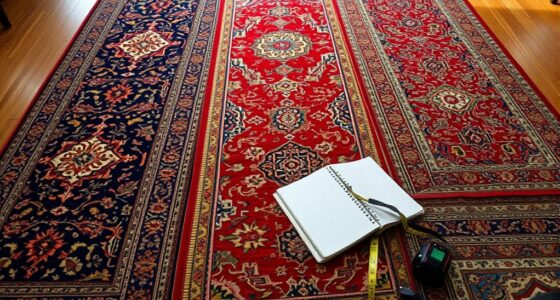

When verifying seller photos before buying a rug sight unseen, check for high-quality, well-lit images that show different angles and close-ups of details like texture and edges. Make sure lighting is natural or consistent across photos to accurately judge colors and quality. Look for signs of editing or overly edited images, and compare photos with online references or known styles. Asking for additional photos and clarifications helps prevent surprises—keep exploring to learn more about ensuring a trustworthy purchase.
Open a free Amazon Business account
Business pricing, bulk buying and tax-exempt orders.
As an affiliate, we earn on qualifying purchases.
Key Takeaways
- Request multiple, well-lit photos from different angles, including close-ups of textures and edges.
- Verify that photos reflect the listing description and look for signs of editing or inconsistency.
- Confirm color accuracy by asking for images in natural or varied lighting conditions.
- Assess photo quality; high-resolution, professional images suggest reliable seller representation.
- Communicate with the seller to clarify details and ensure images align with the rug’s actual appearance.
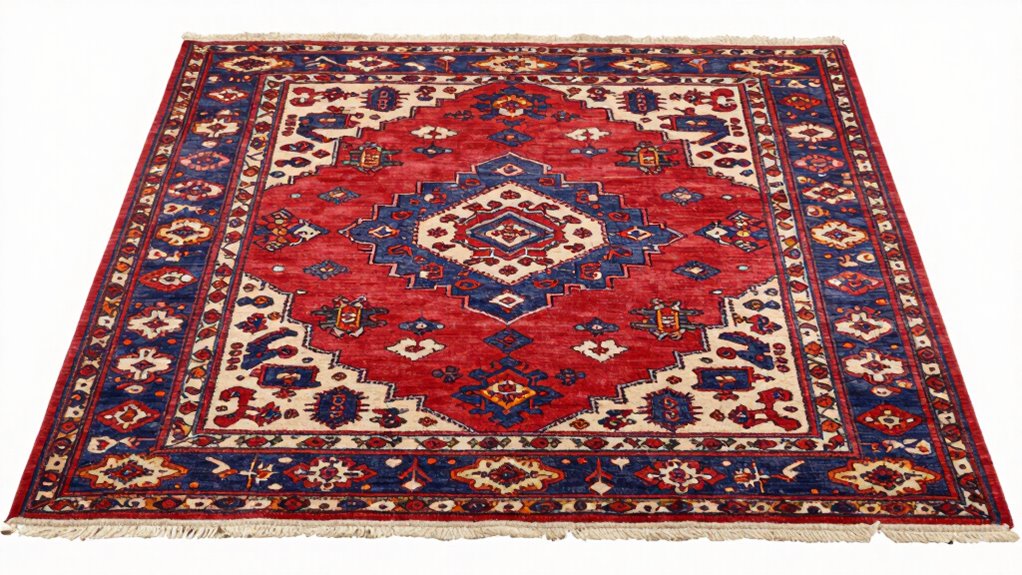
Buying a rug sight unseen can be risky, but verifying seller photos can considerably reduce that risk. When browsing online, photos are your main window into the rug’s true appearance, so evaluating their quality is essential. One of the first things to contemplate is color accuracy. Look closely at how the colors are represented in the images. If a rug appears vibrant in the photos but looks dull or different in person, it could be due to poor lighting or editing. Ask the seller for additional pictures taken in natural light or under different lighting conditions. Genuine, well-lit photos tend to reflect the real colors more accurately. Be wary of images that look overly bright or washed out, as they can distort the actual hues and make it challenging to judge the true color palette.
Verify seller photos for accurate colors and lighting to ensure your online rug purchase matches expectations.
Photo lighting plays a critical role in how a rug appears online. Proper lighting ensures the details, textures, and colors are faithfully represented. When examining images, observe whether the lighting seems natural or artificial. Natural light tends to produce more accurate color depictions, while harsh or uneven artificial lighting can cast unintentional shadows or color shifts. If the lighting looks inconsistent across various photos, ask the seller for more images taken in consistent, natural lighting conditions. Also, check if the photos highlight the rug’s texture clearly—shadows and highlights should be balanced to reveal the pile height and weave details without distorting the overall appearance. Additionally, understanding the importance of photo quality can help you better assess the authenticity and clarity of the images. Ensuring high-quality images can also indicate the seller’s professionalism and reliability. Recognizing signs of photo editing can help you avoid misleading representations. A detailed description can further support your understanding of the rug’s true appearance and condition.
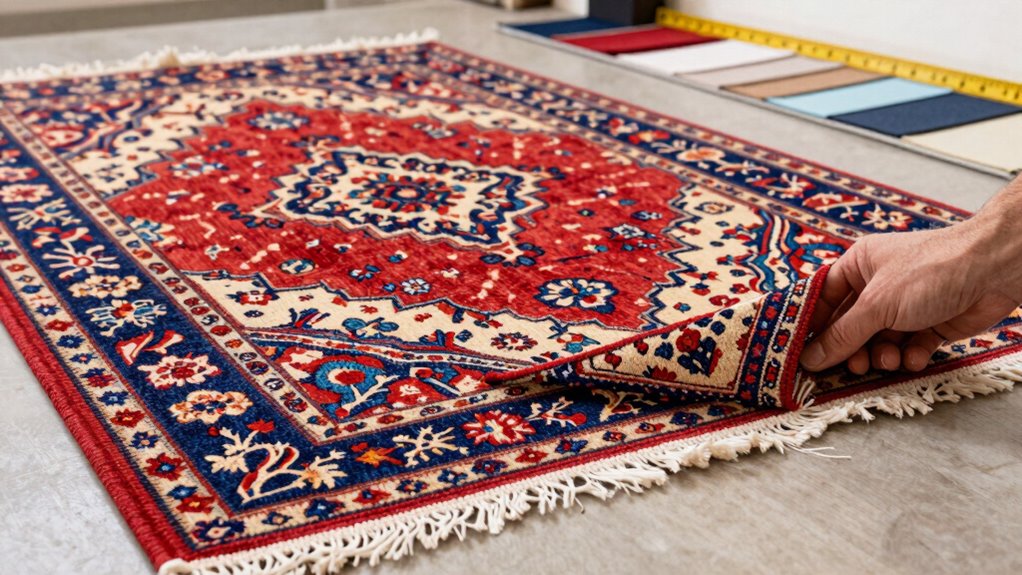
Don’t rely solely on the main image. Request multiple photos from different angles, including close-ups of the pile and edges. These detailed shots can help you better evaluate the quality, craftsmanship, and true color of the rug. Pay attention to how the seller presents these images—professional, clear, and well-lit photos are more likely to accurately reflect what you’ll receive. Be cautious if the images seem heavily edited or if the seller is reluctant to provide additional photos. To further verify the listing’s credibility, look for detailed descriptions that align with the images provided, which can give you more confidence in your decision.
Finally, use your judgment to compare the online images with any previous knowledge or references you have about the rug’s style and color palette. When in doubt, ask the seller specific questions about the colors, material, and condition. Confirming details through clear, consistent photos minimizes surprises and helps guarantee the rug matches your expectations, making your blind purchase less risky. Remember, a well-documented listing can significantly increase your confidence in the purchase decision.
As an affiliate, we earn on qualifying purchases.
Frequently Asked Questions
Can Seller Photos Be Digitally Altered or Edited?
Yes, seller photos can be digitally altered or edited through photo editing and digital manipulation techniques. This means the images you see might not fully represent the actual rug, so it’s crucial to scrutinize photos carefully. Look for inconsistencies, unnatural colors, or missing details. Asking for additional images, close-ups, or videos can help verify the authenticity, ensuring you make an informed purchase even when viewing photos online.
How Do I Verify the Authenticity of the Seller’s Reviews?
To verify the authenticity of the seller’s reviews, you should check their reputation on multiple platforms and look for consistent feedback. Focus on reviews that mention payment security, as genuine sellers prioritize secure transactions. Be wary of overly positive reviews that seem generic or suspiciously similar. Cross-reference reviews with other buyers’ experiences, and consider contacting the seller directly for clarification, ensuring they have a trustworthy reputation before making a purchase.
What Are Common Signs of Manipulated or Misleading Photos?
Like a detective unmasking a con artist, you’ll spot manipulated photos through photo forensics, noticing inconsistent shadows or distorted textures. Beware of images with overly perfect colors or unnatural reflections. Check image metadata—if it’s missing or altered, that’s a red flag. Real photos tell a story, but misleading ones hide the truth behind pixel tricks, making it essential to scrutinize every detail to avoid falling for a visual lie.
Should I Request Additional Photos From Different Angles?
Yes, you should request additional photos from different angles to guarantee image consistency. Good photo lighting helps reveal details, so ask for images taken in natural or well-lit conditions. Viewing multiple angles allows you to spot inconsistencies or signs of manipulation, giving you a clearer sense of the rug’s true appearance. This way, you can make a more informed decision and avoid surprises upon arrival.
How Can I Confirm the Rug’s True Size and Dimensions?
Trust your instincts, but verify the details. To confirm the rug’s true size and dimensions, ask the seller for precise measurements and compare them with the listing. Check for color accuracy and material details in the photos, and request close-up shots if needed. Don’t hesitate to ask for a ruler or measuring tape in the images—this helps you gauge scale and guarantees the rug fits your space perfectly.
Conclusion
By taking these careful steps, you’re gently guiding yourself toward confidence in your purchase. Verifying seller photos isn’t just about avoiding surprises; it’s about embracing peace of mind and building trust with your seller. When you pay close attention and ask the right questions, you’re weaving a quiet assurance into your buying process. In the end, it’s all about creating a smooth journey to find the perfect rug, one thoughtful step at a time.
NFL season / tailgating Picks
team gear
As an affiliate, we earn on qualifying purchases.