More knot density doesn’t always mean better or more valuable. While higher density allows for intricate designs and can boost durability, it can also make rugs stiff, harder to clean, and prone to wear over time. Excessive knots may add to the cost without delivering true benefits. To get the best balance of quality, style, and practicality, it’s wise to contemplate craftsmanship and materials. Keep exploring to learn how to choose the right rug for your needs.
Key Takeaways
- Higher knot density can improve detail and durability but may lead to stiffness and increased maintenance issues.
- Excessive knot density often results in diminishing aesthetic and functional returns for higher costs.
- Material quality and craftsmanship significantly influence rug price, sometimes outweighing knot count.
- Very dense rugs may trap dirt and moisture, reducing longevity and requiring more upkeep.
- Optimal knot density balances artistic detail, flexibility, durability, and cost, rather than simply aiming for the highest count.
Understanding What Knot Density Means

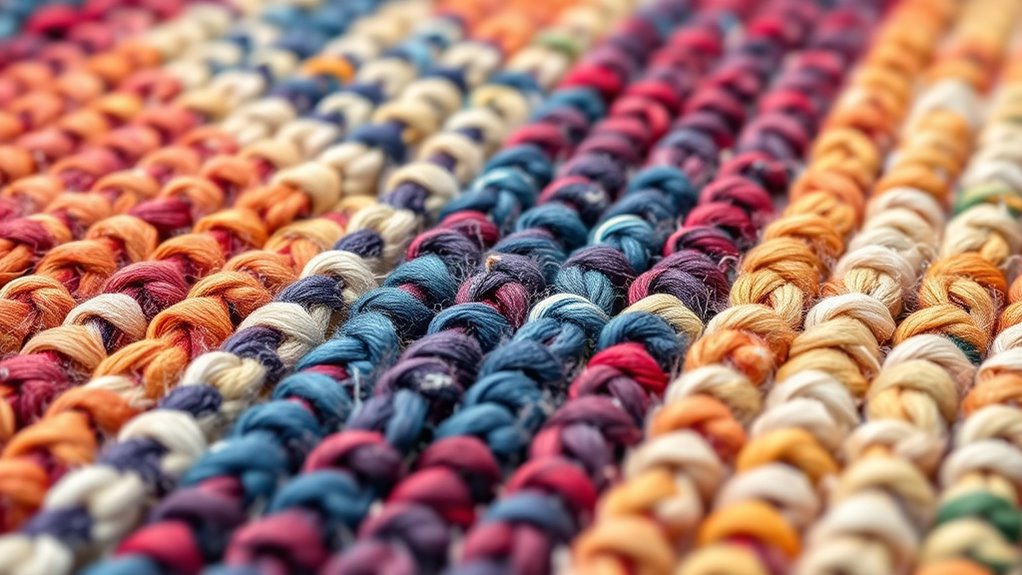
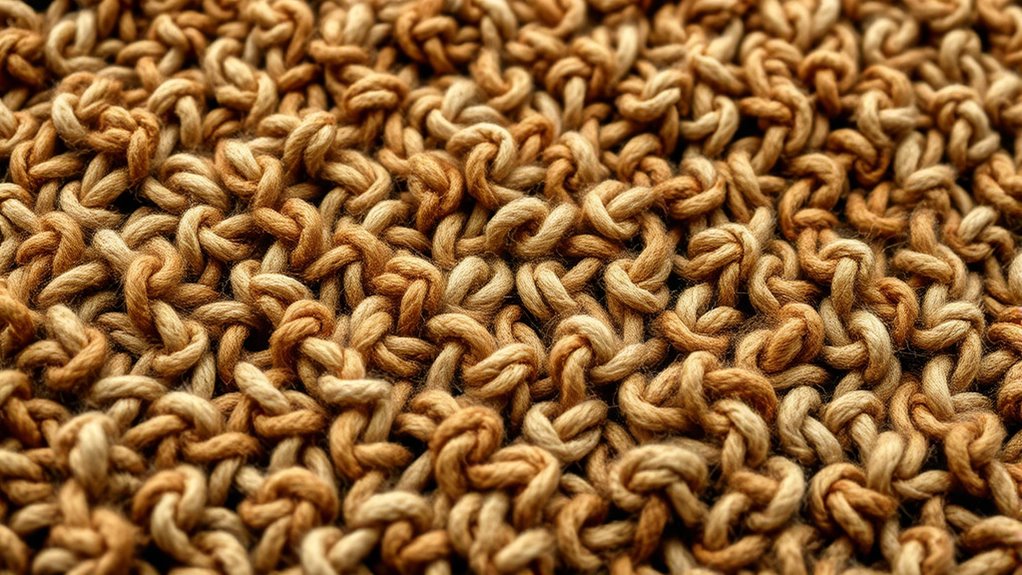
Knot density refers to how tightly or loosely the knots are woven into a fabric, directly impacting its strength and durability. Many knot density myths suggest that higher density always means better quality, but that’s not necessarily true. It’s important to understand that knot density also plays a vital role in artistic expression. A higher knot density allows for more detailed and intricate designs, giving artisans the ability to craft fine patterns and images. Additionally, artistic expression can be enhanced or limited depending on the knot density chosen for a piece. However, too high a density can make the fabric stiff and less flexible. Conversely, lower density offers a softer feel but may sacrifice some detail. Recognizing these nuances helps you appreciate that knot density isn’t just about durability; it’s also about enabling creative expression in textile art. The Free Floating technique can influence how the knot density appears and functions within a textile piece, impacting both aesthetic and structural qualities. Furthermore, understanding how different knot densities affect fabric flexibility can help in selecting the right textile for specific artistic or practical applications.
The Relationship Between Knot Density and Durability

You’ll find that tighter knots often create stronger bonds, boosting overall durability. However, too much density can make the material stiff and more prone to breaking under stress. Balancing knot tightness and density is key to ensuring long-lasting strength without sacrificing flexibility. In applications like tuning performance, proper knot density can influence the effectiveness and safety of modifications. Additionally, understanding material properties can help you navigate any disputes or issues related to material safety standards. Exploring different Hackathons can also foster innovative solutions for material testing and safety standards, further advancing the field.
Tighter Knots, Stronger Bonds
When knots are tightened properly, their density directly influences their strength and reliability. A uniform knot ensures consistent tension throughout, reducing weak spots that could cause failure. Higher knot density generally means tighter, more compact knots, which resist slipping and unraveling. This increased compactness not only boosts durability but also enhances the aesthetic appeal, giving your knot a clean, professional look. Achieving the right balance between tightness and uniformity is essential—overly tight knots can compromise flexibility, while loose knots weaken quickly. Proper tension management is crucial to maintain both strength and knot integrity, preventing damage over time. Additionally, understanding knot density can help you select the right technique for specific applications. For example, incorporating natural materials with earthy tones can influence the knot’s appearance and performance. Ultimately, tighter, well-formed knots offer better performance, making them a preferred choice when durability and appearance matter most.
Excess Density’s Downsides
While increasing knot density can improve strength, excessive density often leads to problems that undermine durability. In synthetic fibers and machine-made rugs, very high knot counts can cause the rug to become stiff and less flexible, making it prone to cracking or tearing over time. Overly dense knots can also trap dirt and moisture, accelerating wear and increasing maintenance needs. Additionally, high knot density may lead to uneven tension, weakening the rug’s overall structure. For synthetic fibers, which are already delicate compared to natural materials, this can reduce lifespan considerably. Moreover, knot density can influence the overall flexibility and resilience of the rug, with excessively high counts diminishing these qualities. When considering the durability of a rug, it’s important to recognize that material quality plays a significant role in how well it holds up over time. Furthermore, understanding the relationship between knot density and wear resistance can help in selecting a rug that balances beauty and longevity. Ultimately, more knots don’t always mean better quality. Excessively dense rugs may look impressive initially but tend to suffer from reduced resilience and longevity, undermining their durability in the long run.
Cost Factors Influencing Rug Pricing
Your rug’s price is influenced by several key factors. Material quality, size, shape, and the skill level of craftsmanship all play a role in determining the final cost. Understanding these elements helps you make informed choices that fit your budget and style. Additionally, selecting fabrics that are pet-friendly fabrics for easier maintenance can impact both cost and long-term upkeep. Incorporating skilled craftsmanship can significantly affect the overall price, emphasizing the importance of quality work. Considering the self watering plant pots available on the market can also provide insights into design and functionality that might influence your overall space and decor choices. Moreover, the choice of rug materials can affect durability and comfort, which are important considerations for long-term satisfaction.
Material Quality Variations
Material quality plays a significant role in determining rug prices, as higher-quality fibers and better craftsmanship naturally cost more. Synthetic fibers, while often more affordable, vary greatly in quality and durability, impacting the rug’s overall value. Cheaper synthetic options may fade faster or feel less soft, reducing longevity. Dye quality also influences cost; vibrant, colorfast dyes require skilled application and higher-grade materials, making the rug more expensive. Poor dye quality can lead to fading or uneven coloring over time. When evaluating rug prices, consider how the fiber type and dyeing process affect both appearance and lifespan. Investing in higher-quality materials ensures your rug stays beautiful longer, justifying the higher price point. Additionally, material durability plays a crucial role in how well a rug maintains its appearance over time. Furthermore, manufacturing techniques can significantly impact both the cost and quality of the finished product.
Rug Size and Shape
The size and shape of a rug directly impact its cost, with larger and more complex designs generally commanding higher prices. A bigger rug covers more space and requires more materials, increasing labor and material costs. Shape also matters; irregular or custom shapes, like round or oval rugs, often cost more due to cutting and finishing complexities. For example, a large rectangular rug with a bold fringe design may need extra edging, while a smaller, simple shape keeps costs down. The color palette influences pricing too—more vibrant or multiple colors can raise production costs. Material choice also plays a significant role in determining overall price, as different textiles vary in cost and durability. Additionally, design intricacy can significantly influence the overall price, as more detailed patterns require additional craftsmanship. Considering the rug’s intended placement can help in selecting a size and shape that balances style and budget efficiently.
Labor and Craftsmanship
Labor and craftsmanship play a crucial role in determining rug prices, as skilled artisans invest significant time and expertise into each piece. Their mastery of weaving techniques ensures durability, beauty, and intricate patterns that reflect cultural traditions. The dyeing processes also impact value; natural dyes require careful preparation and skill, resulting in richer, more vibrant colors that fade less over time. Hand-knotting or hand-tufting rugs demands meticulous effort, often taking weeks or months, which increases labor costs. These techniques and processes directly influence the rug’s quality and uniqueness. When you invest in a handcrafted rug, you’re paying for the artisan’s skill, patience, and the detailed methods that distinguish it from machine-made alternatives. This craftsmanship elevates the rug’s value and aesthetic appeal.
When Higher Knot Density Might Not Be Worth It

While higher knot density can enhance the feel and durability of a rug, it isn’t always a worthwhile investment. Many knot density myths suggest that more knots automatically mean better quality, but that’s not always true. Beyond a certain point, increased density offers diminishing returns and can inflate costs without noticeable aesthetic improvements. Aesthetic variations matter more; some designs look just as vibrant and detailed with moderate knot counts. If your goal is durability or a specific look, higher knot density might be unnecessary. Also, extremely dense rugs can be harder to clean and maintain. Before prioritizing knot count, consider your budget, intended use, and the rug’s overall design. Sometimes, focusing on craftsmanship and material quality yields better value than simply chasing the highest knot density.
Finding the Balance Between Quality and Value

Balancing quality and value when choosing a rug requires careful consideration of what matters most to you. Don’t let knot density myths lead you to believe that more knots always mean better quality; sometimes, aesthetic preferences are more important. For example, if you love a plush, dense look, higher knot density might suit your style. However, if you prefer a more open, relaxed appearance, a lower density could work just as well. Focus on finding a rug that aligns with your visual goals and budget. Remember, the best choice isn’t always the one with the highest knot count but the one that offers the right balance of quality and value for your space. Prioritize what genuinely enhances your home’s comfort and style.
Tips for Choosing the Right Rug for Your Needs
Choosing the right rug for your needs starts with evaluating your space and lifestyle. Consider how much foot traffic it will endure and whether it needs to be stain-resistant or plush. Pay attention to fringe styles, as they can add a decorative touch or require extra maintenance. Think about color patterns—do you want bold designs or subtle neutrals that blend seamlessly?
- Match the rug’s style with your existing decor
- Consider the durability and material quality
- Decide on a fringe style that complements the overall look
- Choose color patterns that enhance or contrast your space
Frequently Asked Questions
How Does Knot Density Affect the Rug’s Overall Aesthetic?
The knot density significance greatly influences a rug’s overall aesthetic appeal. Higher knot density creates a more detailed, intricate design, making the pattern sharper and more refined. You’ll notice enhanced durability and a richer texture, which elevates the rug’s beauty. While more knots often mean a better look, remember that balance is key—overly dense knots can sometimes compromise softness or increase cost without adding visual value.
Are Higher Knot Densities Easier or Harder to Maintain?
Imagine trying to care for a rug with a knot density so high, it’s like tending a tiny jungle! Higher knot density makes your rug more durable, but it also means more delicate fibers that require extra care. Knot density durability is impressive, but knot density cost can skyrocket. So, you’ll find that higher knot densities are harder to maintain because they demand more precision and patience from you.
Can Low Knot Density Rugs Be More Eco-Friendly?
You might find low knot density rugs more eco-friendly because they often use fewer materials and less energy during production. This can lead to a better sustainability impact, especially if made with eco friendly materials like organic wool or recycled fibers. While they may be less durable, choosing such rugs supports environmental conservation and reduces your carbon footprint, making them a smart choice for eco-conscious consumers.
Does Knot Density Influence How the Rug Feels Underfoot?
Ever wonder what really affects how a rug feels underfoot? Knot density plays a key role—higher density often means denser fibers that boost foot comfort, making each step feel plush and luxurious. But beware: too much density might sacrifice fiber softness, causing a stiff or less inviting surface. So, the perfect balance influences your comfort, ensuring your rug feels just right beneath your feet, without sacrificing softness or coziness.
Are There Specific Rug Styles That Typically Have Higher Knot Densities?
You might notice that regional rug styles often feature higher knot density variations, reflecting their craftsmanship and cultural traditions. For instance, Persian and Oriental rugs typically have denser knots, making them more detailed and durable. If you’re exploring different styles, keep in mind that higher knot density usually indicates finer work, but it doesn’t always mean the rug is better for your needs. Consider your preferences and budget alongside knot density.
Conclusion
Remember, not all that glitters is gold, and the same goes for knot density. While higher density often means durability, it doesn’t always mean better value for you. Consider your needs, budget, and the rug’s purpose before making a decision. Finding the right balance guarantees you get a beautiful, lasting piece without overspending. Ultimately, choose wisely—because sometimes, less really is more.