Understanding rug fiber chemistry helps you choose safer, more effective cleaning methods. Synthetic fibers like nylon and polyester resist moisture and many chemicals, but harsh cleaners or high pH products can weaken or damage them over time. Natural fibers such as wool or cotton are more sensitive, reacting negatively to strong chemicals or bleach, which can cause discoloration or fiber breakdown. If you want to know how to protect your rug and keep it looking its best, explore further for detailed guidance.

Get furniture and decor delivered free — and shop member deals
- Fast, free delivery on millions of items
- Access to Prime Big Deal Days deals on October 6–7
- Prime Video, Amazon Music and more included
Key Takeaways
- Synthetic fibers resist many chemicals but can weaken with harsh cleaners or high pH solutions.
- Natural fibers like wool are sensitive to alkaline cleaners and bleach, risking fiber damage and discoloration.
- Recognizing fiber origin (natural vs. synthetic) guides the selection of appropriate, fiber-specific cleaning agents.
- Proper pH-balanced cleaners help preserve fiber integrity and prevent deterioration over time.
- Understanding fiber chemistry ensures effective stain removal while maintaining rug durability and appearance.
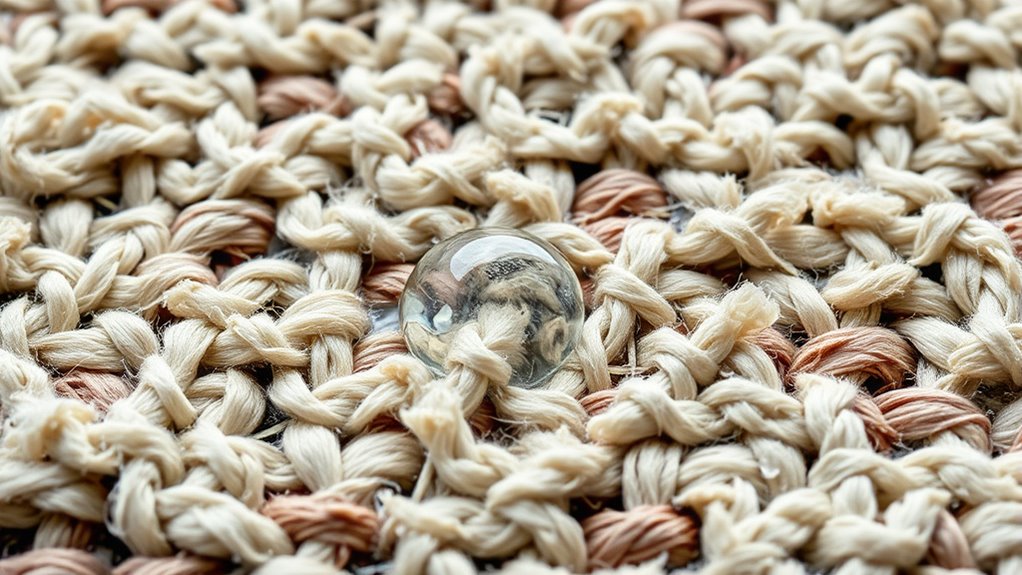
Rug fiber chemistry is the foundation for understanding how different materials affect a rug’s durability, appearance, and maintenance. When you contemplate the types of fibers used in rugs, you mainly encounter synthetic fibers and natural fibers, each with unique chemical compositions that influence how cleaners interact with them. Synthetic fibers, such as nylon, polyester, and polypropylene, are man-made from chemical compounds and are designed for durability and stain resistance. Natural fibers, like wool, cotton, and jute, come from plants or animals and often have a different response to cleaning agents because of their biological origins. Recognizing these differences is essential for choosing the right cleaning method and products to preserve your rug’s integrity.
Synthetic fibers tend to be more resistant to moisture and many cleaning chemicals, but they can also be sensitive to certain solvents or high pH cleaners. For example, nylon and polyester might withstand stronger detergents, but harsh solvents can weaken their bonds, leading to fiber damage over time. Because synthetic fibers are less porous, spills and stains often sit on the surface longer, making the choice of cleaning solution critical. A pH-balanced cleaner typically works well, breaking down dirt without harming the synthetic structure. On the other hand, natural fibers like wool are more porous and contain proteins or cellulose, which can react negatively to aggressive chemicals. Wool, in particular, is sensitive to high pH or bleach, which can cause fiber weakening, discoloration, or shrinkage. Understanding the chemistry of natural fibers helps you select gentle, fiber-specific cleaners that maintain the rug’s appearance and lifespan.
Your cleaning approach should always respect the chemical nature of the fibers. For synthetic fibers, you can often use a wider range of cleaning solutions, including some commercial products designed for stain removal or deep cleaning. Still, it’s wise to follow manufacturer instructions to avoid any long-term damage. When dealing with natural fibers, opt for mild, pH-neutral cleaners and avoid excessive moisture. You might also need to consider specific treatments for wool or cotton rugs, such as specialized shampoos or spot cleaners formulated for delicate fibers. Knowing how these fibers react chemically helps you prevent common issues like color bleeding, fiber breakdown, or texture loss. Additionally, understanding fiber chemistry can guide you in using environmentally friendly cleaning options that are safe for both the rug and the planet.
In essence, understanding rug fiber chemistry empowers you to make informed decisions about cleaning. By recognizing the chemical differences between synthetic and natural fibers, you can select appropriate cleaners that effectively remove dirt and stains without compromising the rug’s durability or aesthetic appeal. This knowledge helps extend your rug’s life, keeping it looking beautiful and functioning well for years to come.
pH balanced rug cleaner for synthetic fibers
As an affiliate, we earn on qualifying purchases.
As an affiliate, we earn on qualifying purchases.
Frequently Asked Questions
Can Natural Fibers Withstand Harsh Chemical Cleaners?
Natural fibers generally can’t withstand harsh chemical cleaners because their fiber resilience is lower than synthetic fibers. You should consider chemical compatibility before using strong cleaners, as they may damage or weaken the fibers. Always test a small area first, and opt for gentle, fiber-specific solutions. This approach helps preserve the rug’s integrity and prolongs its lifespan, ensuring your natural fibers stay beautiful and durable over time.
How Do Synthetic Fibers React to Different Ph Cleaners?
Synthetic fibers generally react to different pH cleaners based on their chemical resistance. Acidic cleaners may cause fiber swelling or weaken the material, while alkaline cleaners could damage the fibers’ structure. You should test cleaners on a small area first, as some synthetics handle pH variations better, maintaining their integrity. To preserve your rug, choose cleaners suited for the specific pH level, ensuring *best* chemical resistance and minimal fiber swelling.
Do Cleaning Agents Affect Rug Dye Stability?
Ah, in the grand tapestry of rug care, cleaning agents can influence dye stability, potentially leading to dye fading or color bleeding. You might notice your rug’s colors transfer or dull after using harsh cleaners. To preserve vibrancy, opt for pH-balanced solutions and gentle detergents. Properly chosen cleaners help maintain dye integrity, ensuring your rug remains as stunning as the day you bought it.
Are There Eco-Friendly Cleaning Options for Delicate Fibers?
Yes, you can opt for eco-friendly cleaning options for delicate fibers. Look for cleaners that use plant-based solvents and biodegradable detergents, which are gentle yet effective. These eco-friendly choices minimize environmental impact and reduce the risk of damaging sensitive rug fibers. Always check labels to verify they’re safe for your specific rug type, and test a small area first to avoid any color or fiber issues.
How Often Should Different Rug Fibers Be Professionally Cleaned?
You should schedule professional cleaning for different rug fibers based on their fiber maintenance needs and cleaning frequency. For wool, clean every 12-18 months; for synthetic fibers, every 12 months; and for delicate fibers like silk, every 6-12 months. Regular professional cleaning helps preserve fiber integrity, remove dirt, and extend your rug’s lifespan. Adjust cleaning frequency based on foot traffic and environmental factors to keep your rug looking its best.
Conclusion
By mastering the mysteries of fiber chemistry, you can confidently clean and care for your rugs. Recognizing how cleaners interact with materials helps prevent damage and prolongs their life. When you understand the nuances of natural and synthetic fibers, your cleaning routine becomes more effective and efficient. So, stay savvy, stay subtle, and savor the satisfaction of spotless, splendid rugs that stand the test of time.
Fall Picks
fall essentials
As an affiliate, we earn on qualifying purchases.