Preventive preservation costs less because you catch and fix small issues early, preventing costly repairs later. Regular maintenance helps extend the life of your assets, avoids extensive restoration work, and keeps materials like wood, metal, or stone in good condition. This approach also protects historical features and maintains value, all while supporting sustainability. If you keep up with proper care, you’ll save money in the long run and avoid the expenses tied to major restorations—there’s more to discover if you continue.

Get furniture and decor delivered free with Prime
- Fast, free delivery on millions of items
- Prime Video, Amazon Music and more included
- Member-only deals all year
Key Takeaways
- Preventive preservation addresses minor issues early, preventing costly major repairs later.
- Regular maintenance extends material durability, reducing the need for expensive restoration.
- Ongoing care preserves historical features, avoiding costly irreversible damage and extensive restoration.
- Well-maintained assets retain market value, decreasing the risk of costly repairs impacting worth.
- Preventive measures promote sustainability, minimizing resource-intensive restoration efforts.
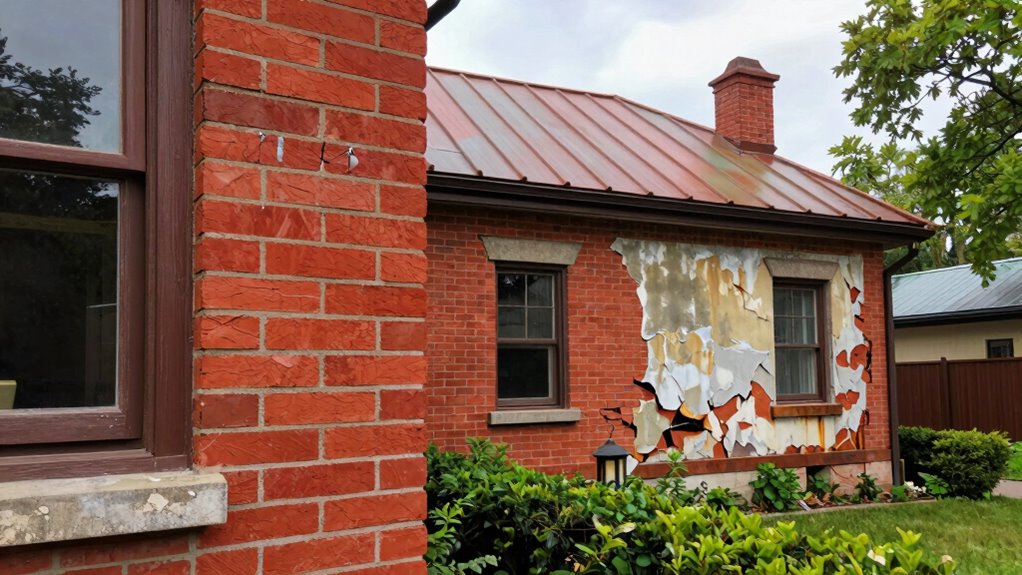
Preventive preservation is often overlooked, but it’s a smart investment that saves you money in the long run. When you prioritize maintenance and proactive care, you protect the historical significance of your property or collection while also ensuring its longevity. By addressing minor issues early, you prevent them from escalating into costly repairs, which can be disruptive and expensive. This approach not only preserves the aesthetic and cultural value of your assets but also maintains their practical functions over time.
One of the key reasons preventive preservation costs less than restoration is the importance of material durability. When you consistently care for materials—such as wood, metal, or stone—you extend their lifespan. Routine inspections and simple repairs reinforce the strength of these materials, stopping deterioration caused by environmental factors like moisture, temperature fluctuations, or pests. Over time, this ongoing attention preserves the integrity of your assets, reducing the need for extensive restoration work that can be both invasive and costly. Think of it as giving your property or collections a regular health checkup instead of waiting until they’re severely ill. Additionally, understanding the importance of regular maintenance underscores the value of proactive care in preventing costly damage.
Additionally, understanding the historical significance of your property or artifact underscores the value of preventive preservation. You recognize that each element carries a story and a sense of identity that’s worth protecting. By maintaining original features and adhering to preservation standards, you ensure that future generations can appreciate the historical context. This proactive approach minimizes the risk of irreversible damage that often accompanies neglect or improper restoration efforts. Restorations, especially when done after significant deterioration, often require specialized skills and materials that are expensive and difficult to source, further increasing costs. Incorporating proper preservation techniques can greatly reduce the likelihood of needing such extensive work later on.
Keeping your property or collection in good condition through preventive measures also helps retain its market value. When potential buyers or visitors see that a site has been well cared for, its worth remains stable or even increases. In contrast, restoration after neglect can diminish value, especially if the work appears patchy or compromises original craftsmanship. By investing in regular maintenance, you’re effectively safeguarding your assets’ value and significance, making restorations less necessary and less costly over time.
Furthermore, adopting a mindset of preventive preservation aligns with sustainable practices by reducing waste and conserving resources. When you invest in maintaining existing structures and collections, you minimize the need for new materials and energy-intensive restoration processes. In essence, prevention not only protects your assets but also contributes to a more environmentally responsible approach to conservation. This sustainable approach can also extend the lifespan of your assets, further emphasizing the importance of early intervention.
In essence, preventive preservation is an investment in the future. It relies on understanding the importance of material durability and respecting the historical significance of your property or collection. By acting early and consistently, you save yourself from the steep costs and complications associated with restoration. The money you spend on routine preservation efforts is minimal compared to the hefty expenses of repairing or restoring damage caused by neglect. Ultimately, prevention not only preserves your assets’ value and integrity but also keeps your budget healthier in the long run.
Products Worth Considering

Bose Lifestyle Ultra Wireless Home Speaker, White Smoke

Dyson V15 Detect Cordless Vacuum

Hisense 43-Inch E6 Cinema Series Hi-QLED 4K UHD Smart Fire TV (43E6QF)
As an affiliate, we earn on qualifying purchases.
Frequently Asked Questions
How Can I Identify Early Signs of Damage Before Preservation Is Needed?
You can identify early signs of damage through regular visual inspections, which help catch issues before they worsen. Look for subtle changes like discoloration, cracks, or unusual textures on surfaces. Early detection involves paying close attention to your environment and noting any deviations from normal conditions. By inspecting frequently and thoroughly, you catch problems early, making preservation easier and more cost-effective, ultimately preventing costly restorations later on.
What Are the Most Cost-Effective Preventive Preservation Methods?
Think of a historic building where regular environmental monitoring and material testing catch early signs of deterioration. You can implement cost-effective preventive preservation methods like controlling humidity, temperature, and light exposure. These measures help prevent damage before it occurs, saving you money on costly restoration later. By consistently monitoring conditions and testing materials, you address issues proactively, ensuring long-term preservation while minimizing expenses.
How Often Should Maintenance Checks Be Performed?
You should perform routine inspections at least annually, or more often if your environment is particularly harsh or vulnerable. Regular maintenance checks help you catch issues early, reducing repair costs and downtime. Incorporate emergency preparedness into your maintenance schedule to guarantee your property is resilient during unexpected events. By staying proactive with routine inspections and emergency plans, you protect your assets and save money in the long run.
Are There Specific Materials That Require More Frequent Preservation?
You should prioritize more frequent preservation for materials vulnerable to environmental damage, such as organic or porous substances. Studies show that vulnerable materials can degrade up to 50% faster without proper care. Material vulnerabilities directly influence preservation scheduling, requiring tailored maintenance routines. By focusing on these at-risk materials, you reduce long-term costs and avoid costly restorations, ensuring your assets stay intact and preserved for longer.
Can Preventive Preservation Extend the Lifespan of All Property Types?
Yes, preventive preservation can extend the lifespan of all property types. By applying appropriate preservation techniques early, you safeguard your property’s value and prevent costly repairs. Regular maintenance, inspections, and timely interventions help preserve structural integrity and appearance. This proactive approach ensures your property remains functional and valuable longer, saving you money in the long run and maintaining its overall worth and appeal.
Conclusion
By investing in preventive preservation now, you’re saving yourself a heap of trouble and money down the line. It’s always better to nip potential problems in the bud rather than deal with costly restorations later. Remember, an ounce of prevention is worth a pound of cure. Taking proactive steps keeps your assets in top shape and your expenses in check, proving that a stitch in time truly saves nine.