
When you notice a water leak, immediately shut off the main water supply to stop further damage. Quickly assess the affected textiles and remove or detach them if possible. Use towels, fans, or dehumidifiers to dry waterlogged fabrics fast, preventing mold and permanent staining. Act swiftly to protect your belongings and minimize damage. By handling leaks early, you can save your textiles and avoid costly repairs—keep exploring for more practical tips to stay prepared.

Get furniture and decor delivered free — and shop member deals
- Fast, free delivery on millions of items
- Access to Prime Big Deal Days deals on October 6–7
- Prime Video, Amazon Music and more included
Key Takeaways
- Shut off the main water supply immediately to prevent further water exposure.
- Quickly remove soaked textiles to prevent mold and permanent damage.
- Blot textiles gently to absorb excess water without spreading it further.
- Use fans or dehumidifiers to accelerate drying in well-ventilated areas.
- Document damage for insurance and track recurring issues for future prevention.

Water leaks can quickly cause significant damage if not addressed promptly. When you notice a leak, your immediate goal should be to prevent water from spreading and damaging textiles like clothing, upholstery, or curtains. The first step is to identify the source of the leak. Conducting a thorough pipe inspection can help you pinpoint whether a burst pipe, loose connection, or crack is responsible. Regular inspections are part of good emergency preparedness, allowing you to catch problems early before they escalate. Knowing where your plumbing weaknesses lie means you can act swiftly when an issue occurs.
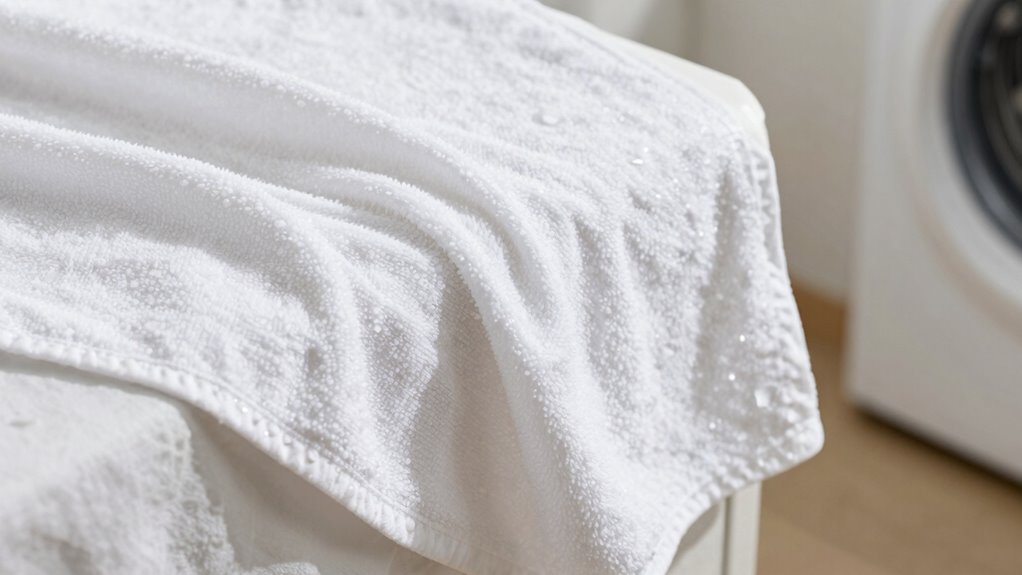
Once you’ve identified the leak, shut off the main water supply as quickly as possible. This step is vital because the longer water continues to flow, the greater the risk of textiles becoming soaked and permanently stained or damaged. After turning off the water, assess the affected area. If textiles are involved, it’s important to act fast to minimize damage. Blotting, rather than rubbing, can help remove excess moisture without spreading the water further or embedding it deeper into fabrics. Use towels, clean cloths, or a wet-dry vacuum to extract as much water as possible.
Having a plan for emergency preparedness helps you respond efficiently. Keep a toolkit nearby that includes items like waterproof containers, absorbent materials, and cleaning supplies. This way, you’re ready to manage small leaks before they turn into larger disasters. If textiles are heavily soaked, consider removing them from the affected area to prevent mold growth or further deterioration. Hanging clothes or curtains in a well-ventilated space accelerates drying, which is vital for preventing permanent damage. Using fans or dehumidifiers can speed up the process, especially in humid conditions. Additionally, understanding the importance of regular pipe inspections can help you detect issues before they cause leaks. Regular maintenance and inspections can also help you identify hidden plumbing issues that might not be immediately visible but pose risks over time. Being aware of common plumbing problems enables you to address potential leaks proactively. Staying informed about these issues is a key part of preventive home maintenance.
It’s also wise to document the damage for insurance purposes and to track recurring issues that might indicate a hidden problem. After the initial response, schedule a professional pipe inspection to ensure no underlying issues remain. Addressing problems early with expert help can save you money and prevent future leaks. Recognizing early signs of plumbing failure can further help you avoid unexpected water damage. Remember, swift action combined with good emergency preparedness minimizes the risk of water damage to your textiles, preserving their condition and lifespan. Handling water leaks effectively involves quick thinking, proper tools, and a proactive approach, so you can keep your textiles safe from long-term harm.
As an affiliate, we earn on qualifying purchases.
Frequently Asked Questions
How Quickly Should I Respond to a Water Leak?
You should respond to a water leak as quickly as possible, ideally within minutes. Immediate action allows you to conduct a water damage assessment and prevent further harm. Quick response also enables you to apply textile restoration techniques effectively, minimizing permanent damage. The faster you act, the higher the chance of saving your textiles and avoiding costly repairs. Don’t delay—prompt action is key to preserving your belongings.
Can I Repair Water-Damaged Textiles Myself?
Think of water-damaged textiles as delicate treasures waiting for rescue. You can DIY drying by gently blotting and air-drying, avoiding heat that could set stains or warp fibers. For stain removal, act quickly with suitable solutions—like vinegar or specialized cleaners—before stains set deep. While some repairs are simple, more severe damage might need professional help. With patience and care, you can often revive your textiles and preserve their beauty.
What Tools Are Essential for Water Leak Prevention?
You need essential tools like a reliable leak detection device, such as a moisture meter or infrared camera, to spot leaks early. Keep your tools well-maintained by cleaning and inspecting them regularly to guarantee accuracy. Additionally, having basic plumbing tools like wrenches and sealants helps you address minor leaks promptly. Proper tool maintenance and effective leak detection are key to preventing water from damaging textiles and causing costly repairs.
How Do I Identify Hidden Water Damage?
To identify hidden water damage, start by looking for hidden signs like discoloration, musty odors, or warped surfaces that suggest moisture. Use moisture detection tools, such as a moisture meter or infrared camera, to locate concealed dampness behind walls or beneath flooring. Regularly inspecting these areas helps catch leaks early, preventing further damage to textiles and structural elements. Stay vigilant and proactive in moisture detection efforts.
Are Professional Services Necessary for Minor Leaks?
Think of a minor leak as a tiny crack in your armor—easy to overlook but potentially damaging. For small leaks, DIY solutions often suffice, saving you money and giving you quick control. However, if you’re unsure or if the leak persists, professional services become essential—they bring expertise and prevent costly future repairs. Weigh the cost considerations carefully; sometimes, investing in experts saves more in the long run.
Conclusion
Think of water leaks as tiny cracks in a dam—left unchecked, they can flood your treasured textiles. Act swiftly, like a vigilant guardian, to patch the breach before it becomes an unstoppable tide. By addressing leaks early, you’re steering clear of a deluge that could wash away your memories and investments. Stay alert, respond promptly, and keep your textiles safe from the rising waters—because prevention is your strongest shield against irreversible damage.
Fall Picks
fall essentials
As an affiliate, we earn on qualifying purchases.