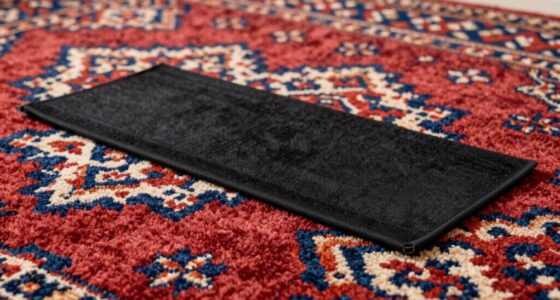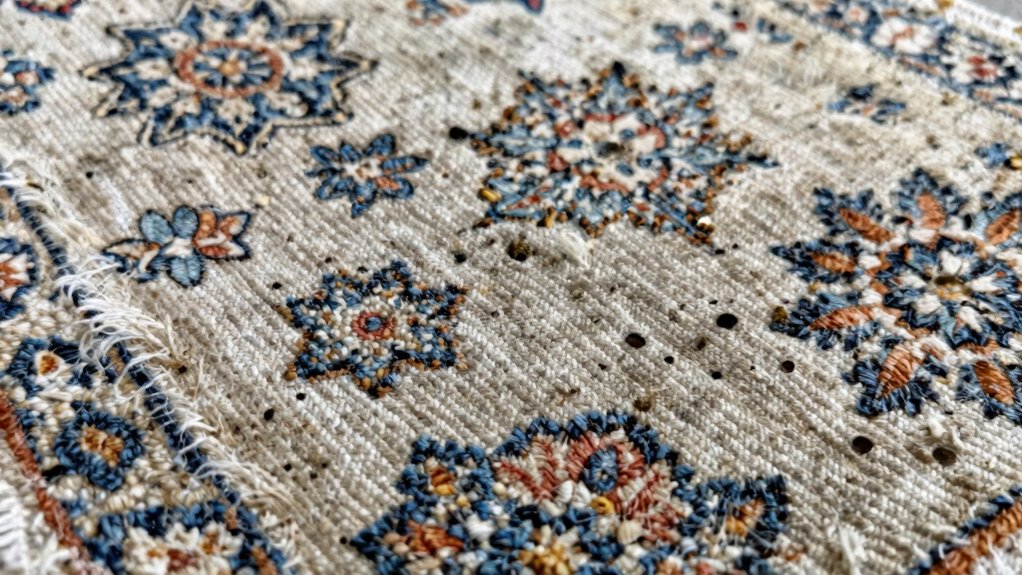

To spot early moth activity, look for tiny, irregular holes near edges or seams of your rugs and textiles. Check for fine powdery residue called frass and web-like tunnels or silk threads on fabrics. You might also notice shed skins or larvae in hidden spots or under furniture. Regular inspection and quick action help prevent damage—if you stay alert, you’ll discover even the subtle signs that signal a potential infestation. Keep going to learn more about protecting your belongings.

Get furniture and decor delivered free — and shop member deals
- Fast, free delivery on millions of items
- Access to Prime Big Deal Days deals on October 6–7
- Prime Video, Amazon Music and more included
Key Takeaways
- Look for small, irregular holes near edges or seams of rugs and textiles.
- Check for fine, powdery frass around damaged areas or in corners.
- Inspect for web-like tunnels or silk threads on fabric surfaces.
- Observe for shed skins or larvae on or around textiles.
- Regularly examine stored or infrequently used items for early signs of damage.
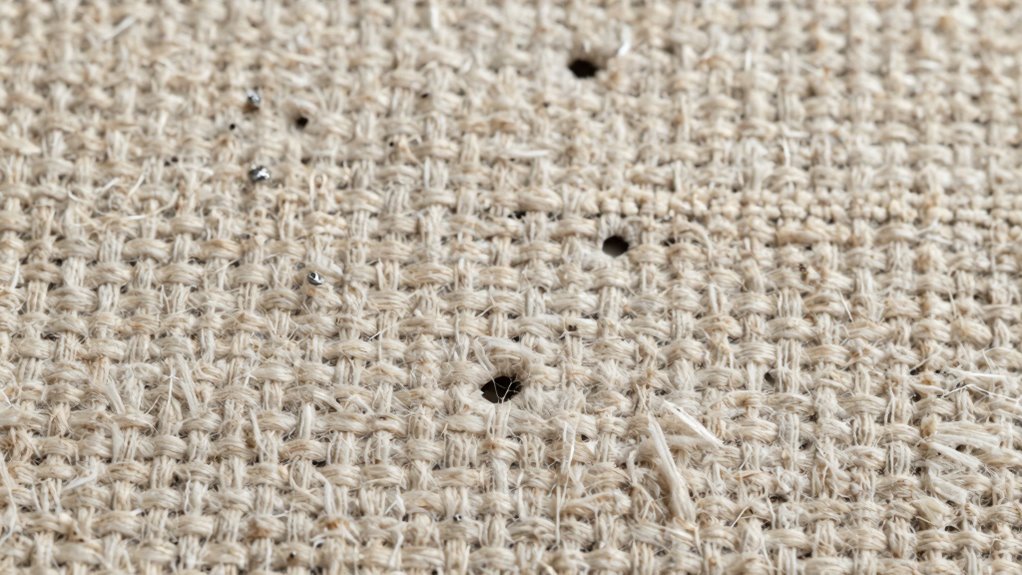
Moths can silently damage your rugs and textiles before you even realize they’re present. These tiny pests are experts at hiding, and their activity often goes unnoticed until significant damage has already occurred. Spotting early signs of moth activity is essential to prevent extensive destruction, and understanding the clues can save your favorite textiles from irreversible harm. One of the first things you might notice is small, irregular holes appearing in your rugs or textiles. These holes are often near the edges or seams, where moth larvae tend to feed. You might also see a fine, powdery residue—often called frass—around the damaged areas or along the fibers. This mixture of shed skin, larvae droppings, and silk is a clear sign that moths have infested your textiles. Regular textile maintenance is your best defense against moths. It involves routine vacuuming, especially in hidden corners and beneath furniture, to remove eggs and larvae before they mature. When you vacuum, pay close attention to cracks and crevices, as these are favorite hiding spots for moths. Using natural deterrents, such as lavender, cedar, or certain essential oils, can also help keep moths at bay. These scents are unpleasant to moths but safe for humans and pets, making them ideal for long-term prevention. Placing lavender sachets or cedar blocks in storage areas and drawers creates a barrier that discourages moth activity and maintains your textiles’ integrity. Additionally, proper storage techniques like sealing textiles in airtight containers can significantly reduce the risk of infestation. Incorporating moth lifecycle knowledge into your prevention methods can further improve your success in avoiding damage. Spotting the early signs of moth activity requires a keen eye, but it’s equally important to adopt proactive textile maintenance routines. Inspect your rugs and textiles regularly, especially after seasons of infrequent use or storage. If you notice any suspicious signs—like tiny holes, web-like tunnels, or the presence of larvae—act swiftly. Washing or dry cleaning affected items can eliminate eggs and larvae, while thoroughly cleaning storage areas removes residual pests. Consider sealing vulnerable textiles in airtight containers or garment bags to prevent future infestations. Incorporating natural deterrents into your textile maintenance routine not only helps prevent moth damage but also reduces reliance on chemical repellents. Consistent inspection combined with natural deterrents creates an effective shield that keeps moths from establishing a foothold in your home. By staying vigilant and implementing these simple measures, you protect your rugs and textiles from the silent, destructive presence of moths, ensuring they stay beautiful and intact for years to come.
lavender sachets for moth prevention
As an affiliate, we earn on qualifying purchases.
As an affiliate, we earn on qualifying purchases.
Frequently Asked Questions
Can Moths Be Harmful to Human Health?
Moths themselves aren’t directly harmful to your health, but their presence can trigger moth allergies, causing sneezing, skin irritation, or respiratory issues. Additionally, household contamination from moth larvae or shed skins can worsen allergies or asthma symptoms. To protect yourself, keep your home clean, regularly vacuum, and store textiles properly. If you notice moth activity, address it promptly to minimize health risks and prevent further contamination.
Do Moths Prefer Certain Types of Textiles?
Moths do prefer certain types of textiles, especially those with fabric preferences like wool, silk, and fur. These materials are more susceptible to moth damage because of their organic fibers, which moths find easy to digest. You should pay extra attention to textiles with high susceptibility, inspecting regularly and keeping them clean. Avoid storing vulnerable fabrics in dark, undisturbed areas to minimize moth activity and protect your belongings.
How Long Does It Take for Moths to Damage a Rug?
Moths can cause fiber damage within a few months if an infestation goes unnoticed. Typically, the infestation timeline for moths to substantially harm a rug ranges from 3 to 8 months, depending on factors like humidity and textile type. If you spot signs early, you can prevent extensive fiber damage. Regular inspections and prompt treatment are essential to reduce the risk of moths causing lasting harm to your textiles.
Are Moths Attracted to Specific Colors or Patterns?
Moths are like picky eaters, often attracted to specific colors and patterns. They tend to prefer dull or natural shades over bright, vibrant hues, and are drawn to intricate or organic patterns that resemble their preferred environment. Your rugs and textiles with earthy tones or complex designs might catch their eye more easily. Recognizing these preferences helps you spot potential moth activity early and take steps to protect your belongings.
What Is the Best Way to Prevent Moth Infestations?
To prevent moth infestations, you should store fabrics properly by keeping them in airtight containers or sealed bags. Regularly clean and vacuum storage areas to eliminate moth eggs and larvae. Use pest deterrents like cedar blocks, lavender sachets, or mothballs in your storage space, but guarantee they’re safe for the textiles you’re protecting. These steps help keep moths at bay and preserve your rugs and textiles.
Conclusion
By staying vigilant for tiny holes, shed skins, or suspicious odors, you catch moth activity early—much like a watchful guardian. Remember, neglecting these signs is like ignoring the cracks in a fortress; soon, pests can invade and cause lasting damage. Keep your textiles safe by inspecting regularly and acting promptly. With keen eyes and quick action, you can prevent a full-blown invasion, turning your home into a well-guarded sanctuary rather than a battleground.
Halloween Picks
halloween
As an affiliate, we earn on qualifying purchases.