
Waterless and natural dyeing techniques are revolutionizing sustainable textiles by conserving water and reducing chemical pollution. Methods like foam dyeing and air-dyeing minimize water use, while plant-based dyes and mordants boost eco-friendliness. These innovations help you create vibrant, unique textiles with less environmental impact. By adopting these practices, you support healthier ecosystems and responsible craftsmanship. Continuing to explore these innovations will reveal how they can inspire greener choices in your textile projects.
Open a free Amazon Business account
Business pricing, bulk buying and tax-exempt orders.
As an affiliate, we earn on qualifying purchases.
Key Takeaways
- Waterless dyeing methods like foam and air-dyeing minimize water use in textile processing.
- Natural dyes extracted from plants reduce reliance on synthetic chemicals and lower environmental impact.
- Plant-based mordants offer eco-friendly alternatives to toxic metallic mordants for color fixation.
- Combining natural dyes with waterless techniques enhances sustainability and conserves water resources.
- These innovations support eco-conscious textile production, preserving ecosystems and promoting responsible craftsmanship.
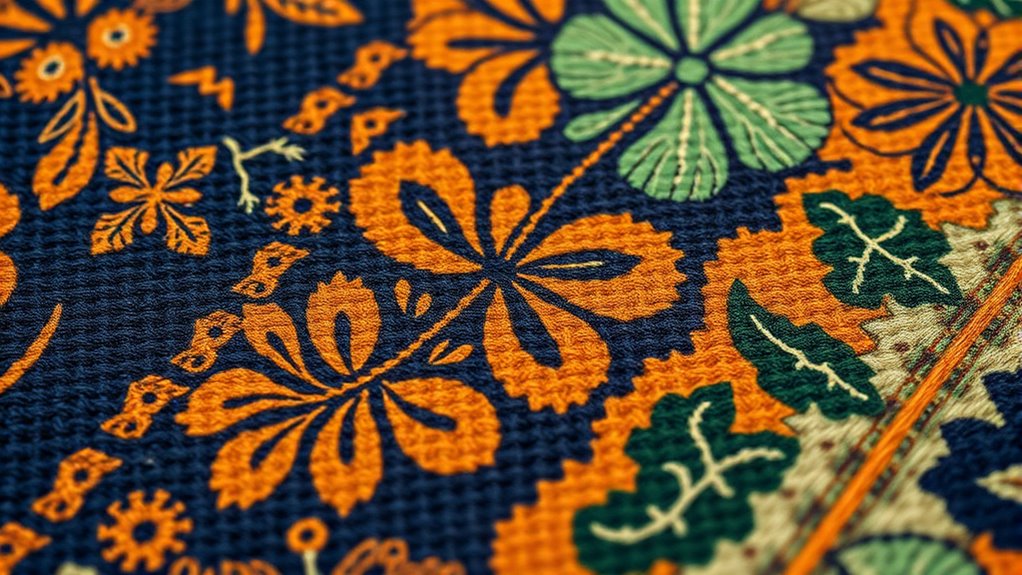
Have you ever wondered how the textile industry is transforming to become more eco-friendly? One of the most exciting developments is the shift toward waterless and natural dyeing techniques. Traditional dyeing methods consume vast amounts of water and often rely on synthetic chemicals that harm the environment. Now, innovators are exploring ways to reduce water usage and incorporate natural ingredients, making textiles greener and safer for the planet.
Natural dye extraction plays a vital role in this movement. Instead of using synthetic dyes, artisans and manufacturers extract vibrant colors from plant materials such as berries, leaves, roots, and bark. This process not only reduces the chemical load but also leverages renewable resources, making dyeing more sustainable. When combined with waterless techniques, natural dye extraction offers a double win for the environment. You can imagine that instead of immersing fabrics in large vats of water, the dye can be applied through methods like foam dyeing or air-dyeing, which considerably cut down water consumption.
Plant-based mordants are another key element in eco-friendly dyeing. Unlike traditional metallic mordants such as chromium or aluminum, which can be toxic and difficult to dispose of safely, plant-based mordants are derived from natural sources. For example, alum from certain plants or tannins from tree bark can act as mordants, helping fix the dye to the fabric without introducing harmful chemicals. By using plant-based mordants, you guarantee that the entire dyeing process remains biodegradable and safe, reducing environmental pollution and health risks.
The combination of natural dye extraction and plant-based mordants also opens up a world of color possibilities. You can achieve a broad spectrum of hues—from earthy browns to vibrant reds—by selecting different plants or even combining multiple natural ingredients. This approach not only minimizes environmental impact but also preserves traditional dyeing knowledge, allowing artisans to create beautiful, unique textiles that tell a story of sustainability.
In essence, these innovations are transforming the textile industry into a more responsible craft. By choosing methods that avoid excessive water use and toxic chemicals, you’re supporting a more sustainable future. Natural dyeing with plant-based mordants exemplifies how tradition and innovation can work together to reduce ecological footprints while producing stunning textiles. Additionally, advancements in home textile technology now make it easier for consumers to adopt eco-friendly dyeing practices at home, further promoting sustainability. Embracing these techniques means you’re helping to conserve water, protect ecosystems, and promote healthier working environments—all while enjoying beautifully dyed fabrics that connect you to nature’s own palette.
As an affiliate, we earn on qualifying purchases.
Frequently Asked Questions
How Do Waterless Dyeing Methods Compare to Traditional Dyeing in Color Vibrancy?
Waterless dyeing methods often produce vibrant colors, but they might lack the same color intensity as traditional dyeing. You’ll notice that dye uniformity can be quite good, thanks to controlled processes, yet achieving the deepest shades can sometimes be a challenge. Overall, waterless techniques offer eco-friendly benefits, but if you seek maximum color vibrancy, traditional methods might still hold an edge.
Are Natural Dyes More Prone to Fading Over Time?
You might wonder if natural dyes fade faster, and the answer is yes—dye longevity can be a concern. Natural dyes often have less color stability than synthetic counterparts, especially with repeated washing or exposure to sunlight. However, with proper mordants and treatment, you can boost color stability and prolong the vibrant look. So, while natural dyes may fade more easily, you can still enjoy beautiful, eco-friendly textiles that last.
What Are the Cost Differences Between Waterless and Conventional Dyeing?
You’ll find that waterless dyeing generally has higher initial investment costs but offers greater cost efficiency over time. Conventional dyeing often requires more water, chemicals, and energy, leading to ongoing expenses. While waterless methods might be pricier upfront, they reduce resource use and waste, ultimately lowering operational costs. So, your choice depends on whether you prioritize lower upfront expenses or long-term savings through sustainable, resource-efficient techniques.
Can Waterless Dyeing Techniques Be Scaled for Mass Production?
You can scale waterless dyeing techniques for mass production, but scaling challenges exist. Technological innovations are making it more feasible by improving equipment efficiency and process consistency. While it requires initial investment and adjustments in manufacturing lines, these advancements help you reduce water usage and environmental impact at larger scales. As technology evolves, more companies will find it easier to adopt waterless dyeing, making sustainable practices more accessible across the industry.
What Environmental Impacts Do Natural Dyes Have Beyond Water Savings?
Natural dyes are like a gentle breeze, enriching the environment beyond just water savings. They help preserve biodiversity by reducing chemical runoff that harms ecosystems. Unlike synthetic dyes, they often come from plant-based sources, supporting sustainable farming. This minimizes soil and water pollution, fostering healthier habitats. You’ll see a positive ripple effect, where natural dyes protect wildlife and promote ecological balance, making your fashion choices more environmentally friendly.
Conclusion
So, next time you’re tempted by flashy, water-hogging dyes, remember there’s a world of waterless, natural options waiting to save the planet—and your conscience. Who knew that avoiding toxic chemicals and gallons of water could actually make your wardrobe cooler? Embrace these eco-friendly tricks, impress your friends, and maybe even save a few fish along the way. After all, why settle for boring, polluting textiles when you can be a stylish, sustainable superstar?
Fall Picks
fall essentials
As an affiliate, we earn on qualifying purchases.