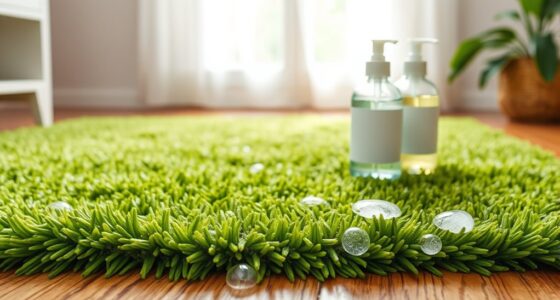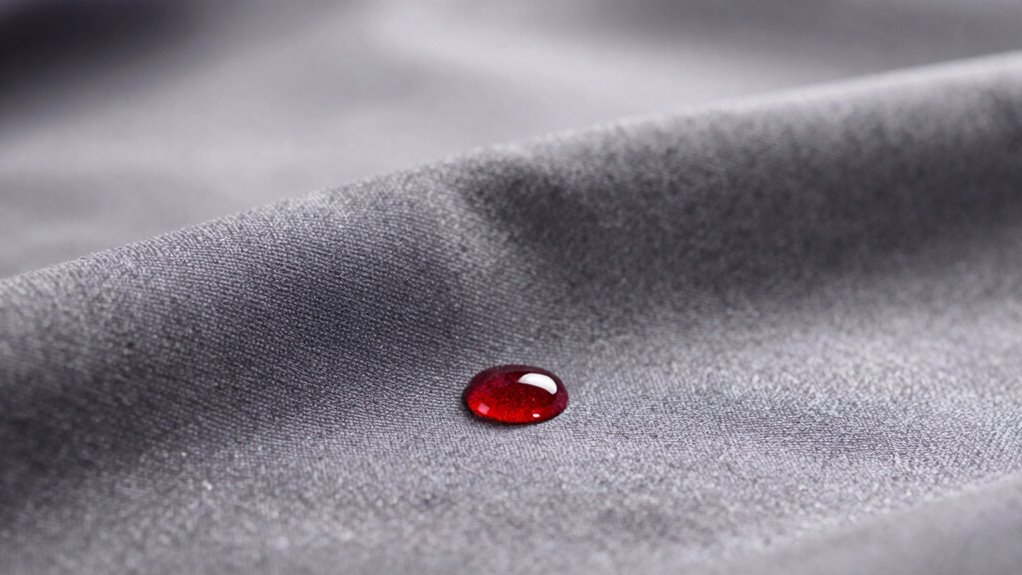

Performance fabrics are designed to resist stains and spills, making cleanup easier. While they can repel liquids initially, they aren’t completely stain-proof; heavy or sticky substances may still cause marks. Treatments wear down over time, reducing effectiveness. Proper care extends their lifespan, but no fabric can handle everything perfectly. To understand what these fabrics can and can’t do, and how to choose the best options, you’ll find helpful details ahead.
Key Takeaways
- Performance fabrics are engineered with stain-resistant treatments that repel liquids initially, making spills easier to clean.
- These treatments are embedded or applied during manufacturing but can wear down over time, reducing effectiveness.
- Natural fibers like cotton are less durable with stain-resistant coatings compared to synthetics like polyester or nylon.
- Proper care, such as gentle cleaning and immediate spill blotting, extends the lifespan of stain-resistant properties.
- Certifications like Crypton and OEKO-TEX® help identify safer, more durable, and eco-friendly performance fabrics.
What Are Performance Fabrics and How Do They Work?

Performance fabrics are specially designed textiles that enhance durability, comfort, and functionality. Thanks to advances in fabric innovation, these textiles are engineered to withstand daily wear and tear while providing added features like moisture-wicking, breathability, and stretchability. Textile engineering plays a pivotal role in creating fibers and weaving techniques that improve performance, making fabrics resistant to stains, odors, and environmental stressors. By manipulating fibers at the molecular level, manufacturers develop materials that meet specific needs, whether for athletic wear, outdoor gear, or work uniforms. Additionally, the integration of energy-efficient manufacturing processes reflects the growing commitment to sustainable practices in textile production. You benefit from these technological advancements through garments that not only last longer but also improve your comfort and convenience during active or demanding activities. This seamless integration of science and design defines what makes performance fabrics truly effective.
Do Stain-Resistant Performance Fabrics Really Work?

Have you ever wondered if stain-resistant fabrics truly deliver on their promises? Thanks to textile innovations, these fabrics have come a long way, but they aren’t foolproof. Consumer expectations are high, and many assume stain-resistant means completely stain-proof. In reality, these fabrics often repel liquids initially, making spills easier to clean. However, their effectiveness depends on the type of stain and the treatment used. Over time, treatments may wear down, reducing their performance. Some fabrics resist water and oil-based stains well, but no fabric is entirely stain-proof. Being aware of these limitations helps you set realistic expectations. While stain-resistant fabrics do improve convenience, knowing their limitations ensures you don’t rely solely on them for spills or messes.
The Main Types of Stain-Resistant Treatments in Performance Fabrics
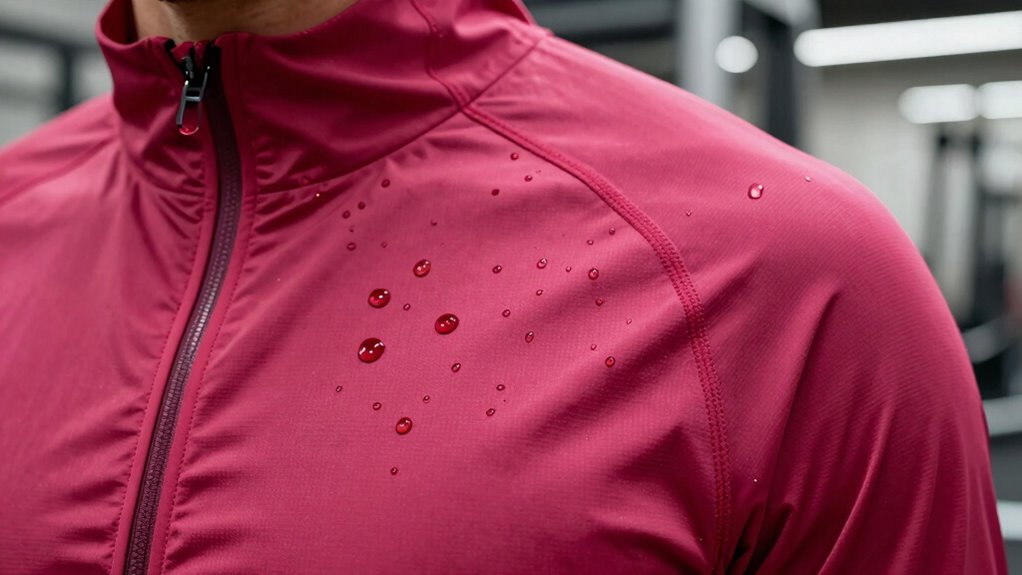
Ever wonder how stain-resistant fabrics keep spills at bay? The main treatments involve applying chemical finishes during textile weaving or fabric dyeing. These treatments create a barrier that repels liquids, preventing stains from penetrating the fibers. One common method is applying a durable water repellent (DWR) finish during fabric dyeing, which coats the fibers with a protective layer. Alternatively, stain-resistant finishes can be embedded directly into the textile weaving process, incorporating the treatment within the fabric structure itself. Both approaches ensure the fabric resists liquids and stains, but they differ in longevity and effectiveness. Understanding these main types of treatments helps you appreciate how performance fabrics can maintain their appearance and functionality even after repeated spills.
What Performance Fabrics Can’t Do for Stain Resistance

While stain-resistant treatments improve fabric performance, they aren’t foolproof and can’t prevent all types of spills or stains. Performance fabrics still have limits in their fabric durability; aggressive or deeply penetrating stains can sometimes seep through the treatment. Additionally, these fabrics may not guarantee perfect color retention over time, especially with repeated cleaning or exposure to sunlight. The treatments don’t make fabrics completely stain-proof, so heavy or sticky spills might still leave marks. Also, some substances can degrade the treatment, reducing its effectiveness. It’s important to understand that stain resistance isn’t a guarantee of perfection. You’ll still need to act quickly and use proper cleaning methods to maintain your fabric’s appearance and longevity. Durability of performance fabrics varies depending on the materials and treatments used, affecting how well they resist stains over time.
How to Properly Care for and Maintain Stain-Resistant Performance Fabrics
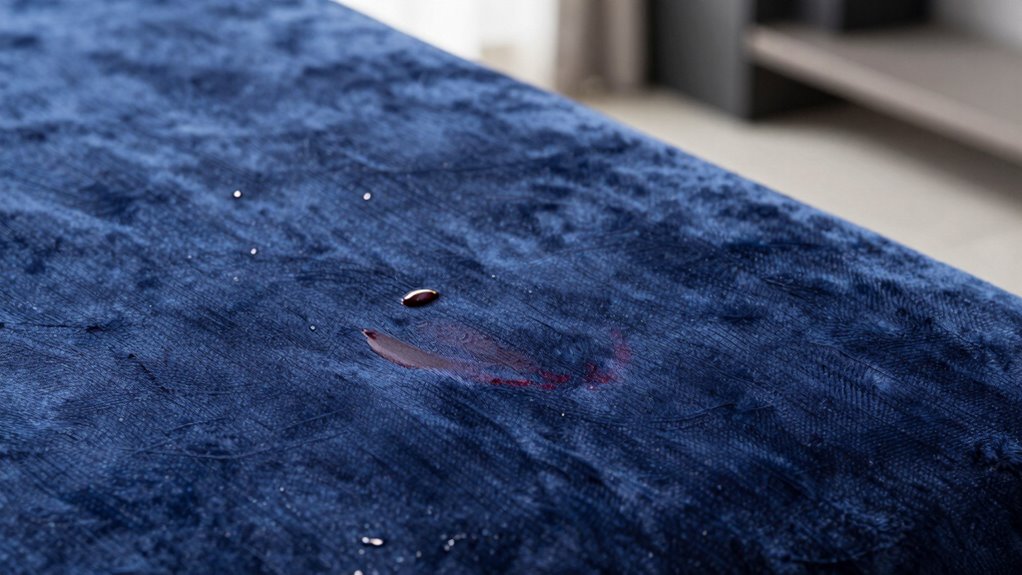
To keep your stain-resistant performance fabrics looking their best, you need to follow proper care and maintenance routines. Regular cleaning with gentle, fabric-specific solutions helps preserve fabric durability and prevents buildup that can weaken the material. Avoid harsh chemicals, as they may damage the fabric’s protective coating and increase environmental impact through unnecessary chemical use. Promptly address spills by blotting, rather than rubbing, to prevent stains from setting. Use a soft brush or vacuum to remove dirt and debris regularly. When washing, follow manufacturer instructions to maintain the fabric’s performance qualities. Proper maintenance not only extends the lifespan of your fabrics but also minimizes environmental impact by reducing the need for replacements and excessive cleaning agents. Consistent care ensures your fabrics stay resilient and environmentally friendly over time. Regular filter checks in air purifiers follow similar principles of routine maintenance to sustain optimal performance and environmental friendliness.
Which Fabrics Are More Stain-Resistant: Performance or Traditional?

Performance fabrics generally offer superior stain resistance compared to traditional fabrics. Thanks to advanced fabric dyeing techniques and enhanced colorfastness, they resist spills and stains better. Traditional fabrics often absorb liquids, making stains harder to remove and causing fading over time. Performance fabrics maintain their vibrant appearance longer, reducing worry and frustration. The table below illustrates their emotional impact:
| Performance Fabrics | Traditional Fabrics |
|---|---|
| Feel confident knowing spills are easier to clean | Fear of permanent stains and fading |
| Enjoy vibrant colors that last | Worry about fabric dulling or discoloration |
| Rest assured your furniture looks new | Frustration over constant stain removal |
Additionally, the water-repellent properties of performance fabrics help keep your furniture looking fresh even in unpredictable weather conditions.
Are Performance Fabrics Safe and Environmentally Friendly?
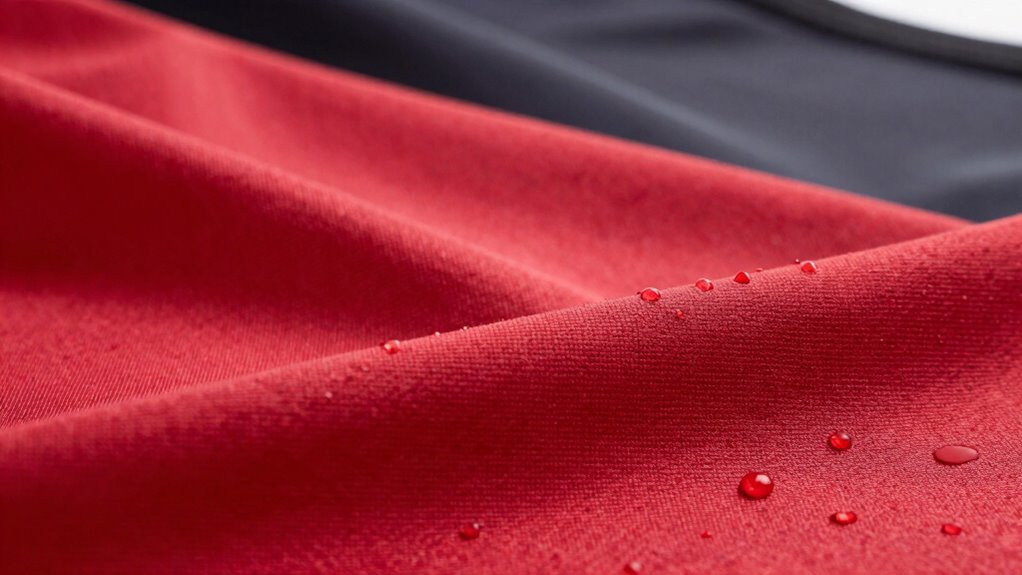
Many performance fabrics are designed with safety and environmental impact in mind, making them a popular choice for eco-conscious consumers. Manufacturers often select chemicals that guarantee chemical safety while minimizing harmful effects. These fabrics are engineered to reduce environmental impact through the use of more sustainable processes and eco-friendly coatings. However, it’s important to know that some stain-resistant treatments may contain chemicals like fluorocarbons, which can raise concerns about long-term safety and environmental effects. As a consumer, you should look for certifications and labels indicating eco-friendly manufacturing practices. While many performance fabrics aim to balance durability with safety, understanding the specific chemicals used helps you make informed choices aligned with your environmental values. Additionally, some companies are now hiring AI Ethicist Jobs to ensure their products meet ethical standards and promote sustainable practices.
How to Identify and Choose the Best Stain-Resistant Performance Fabrics
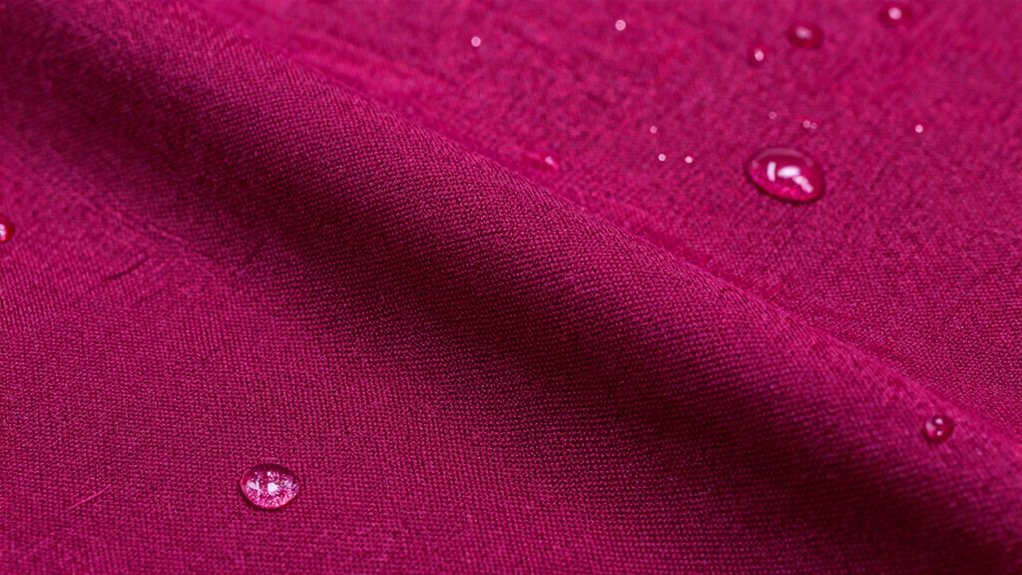
When choosing stain-resistant performance fabrics, start by checking the fabric composition to guarantee it includes effective stain-repellent treatments. Look for testing certifications and labels that verify the fabric’s performance standards, and consider how easy it is to maintain and how durable it will be over time. By focusing on these points, you can select fabrics that meet your needs and last longer. Additionally, understanding the lifecycle and performance metrics of the fabric can help you make more informed decisions about its long-term value.
Fabric Composition Matters
Have you ever wondered how to tell if a fabric is truly stain-resistant? It all starts with understanding fabric composition. During textile manufacturing, fabric dyeing techniques influence how well a stain-resistant treatment bonds to the fibers. Natural fibers like cotton or wool often absorb dyes differently than synthetic fibers such as polyester or nylon, affecting stain resistance. Look for fabrics made from synthetic fibers or blends designed for performance, as they typically hold stain-resistant coatings better. Knowing the specifics of fabric dyeing and fiber content helps you choose textiles that are more likely to resist stains effectively. Always check the fiber composition on the label, as this gives clues about how well a fabric can maintain its stain-resistant properties over time. Additionally, the dyeing process used can impact the durability of stain resistance, especially if reactive dyes are involved.
Testing Certifications and Labels
Ever wonder how to confidently select a stain-resistant fabric? Checking testing certifications and labels helps guarantee fabric innovation aligns with your values. Look for certifications like Crypton or GreenGuard, which verify low chemical emissions and reduced environmental impact. Labels such as OEKO-TEX® ensure the fabric has been tested for harmful substances, promoting safer indoor environments. To understand the significance, review this table:
| Certification | Focus | Environmental Impact |
|---|---|---|
| Crypton | Stain resistance & durability | Low chemical use |
| OEKO-TEX® | Harmful substances testing | Safer for health |
| GreenGuard | Indoor air quality | Reduced emissions |
| CertiPUR-US | Foam safety | Eco-friendly materials |
Maintenance and Durability
Choosing the right stain-resistant performance fabric involves more than just considering its appearance; you also need to evaluate its maintenance requirements and durability. Fabric aesthetics are important, but they shouldn’t compromise longevity. Look for fabrics that resist wear and tear over time, meeting your expectations for durability. Regular cleaning should be straightforward, with fabrics that tolerate common cleaning methods without degrading. Consider how the fabric handles spills and stains—some maintain their look longer with minimal upkeep. Consumer expectations for performance fabrics include easy maintenance and lasting durability, so prioritize fabrics that combine these qualities. A fabric that remains attractive and intact after repeated cleaning is a smart investment, ensuring your furniture stays beautiful and functional for years. Fabric durability is a key factor in making an informed choice, as it directly influences long-term satisfaction and the overall lifespan of your upholstery.
Real-Life Examples: How Performance Fabrics Handle Spills and Messes
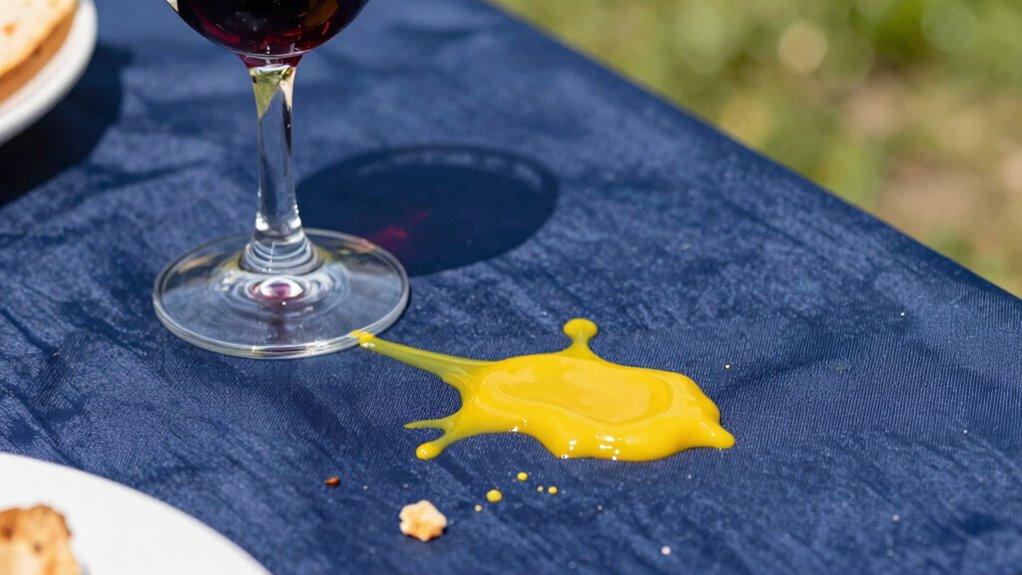
You’ve probably seen how some performance fabrics resist spills and stay clean with minimal effort. These fabrics often succeed in preventing stains from setting, making messes easier to manage. Let’s look at real-life examples that show just how effective they are in handling everyday spills and messes.
Spill Resistance Successes
When spills happen, performance fabrics prove their worth by resisting stains and making cleanup easy. They showcase impressive fabric durability, standing up to frequent spills without tearing or fraying. This resilience means your furniture or clothing remains looking new longer, even after messy accidents. Additionally, these fabrics excel in color retention, maintaining vibrant hues despite exposure to liquids or stains. For example, a spill on a performance fabric sofa won’t cause permanent discoloration, allowing you to wipe away the mess without fear of fading. This combination of strength and color stability makes performance fabrics a reliable choice for busy households. Whether it’s wine, coffee, or juice, you can count on them to resist spills effectively while keeping their appearance intact over time.
Mess Cleanup Ease
Spill resistance is just the first step; how easily you can clean up those messes truly highlights the value of performance fabrics. When spills happen, these fabrics let you wipe away messes quickly, reducing the need for harsh chemicals and frequent replacements. This ease of cleanup extends fabric longevity, so your furniture stays looking new longer, saving you money and effort. Plus, because you don’t need to use strong cleaners or replace items as often, performance fabrics help lessen your environmental impact. They promote sustainability by decreasing waste and reducing the chemicals released into the environment. In real life, that means less hassle, more durability, and a greener way to keep your space tidy and fresh. It’s a practical choice that benefits both you and the planet.
Do Performance Fabrics Live Up to Their “Stain-Resistant” Claims?
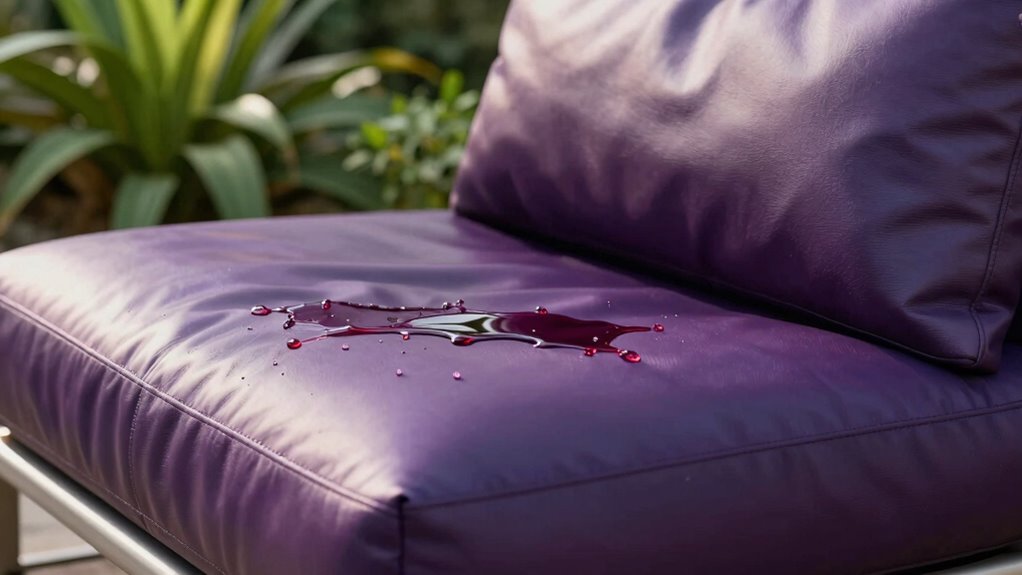
Do performance fabrics truly live up to their “stain-resistant” claims? Generally, yes, but results vary. Many fabrics do repel spills and stains, making cleanup easier. However, some products may not resist certain oils or dyes, so always check the label. When selecting fabrics, consider eco friendly options and aesthetic preferences, since durability shouldn’t compromise style or sustainability. Keep in mind, some stain-resistant treatments can fade over time, affecting their effectiveness. Here’s a quick overview:
| Feature | Pros | Cons |
|---|---|---|
| Eco friendly options | Better for environment | Sometimes less durable |
| Aesthetic considerations | Wide style choices | May require special cleaning |
| Long-term durability | Lasts through spills | Can diminish with frequent use |
Choosing wisely ensures your performance fabric performs as promised.
Frequently Asked Questions
Are Performance Fabrics Breathable and Comfortable to Wear?
Yes, performance fabrics are breathable and comfortable to wear. They excel at moisture management, helping sweat evaporate quickly and keep you dry. Plus, their fabric flexibility ensures you can move freely without feeling restricted. You’ll notice that these fabrics adapt well to your body, providing comfort during active or casual wear. Overall, they’re designed to keep you cool, dry, and comfortable all day long.
How Do Stain-Resistant Treatments Affect Fabric Durability?
Stain-resistant treatments can impact fabric longevity, but high-quality treatments are designed to be durable. When applied correctly, they maintain their effectiveness over multiple washes, ensuring your fabric stays protected without sacrificing durability. However, cheaper treatments might fade or wear off more quickly, reducing treatment durability and potentially shortening the fabric’s lifespan. To get the best results, choose fabrics with professionally applied, long-lasting stain-resistant treatments.
Can Stain-Resistant Fabrics Be Recycled or Reused?
Around 80% of textiles, including stain-resistant fabrics, face recycling challenges due to their chemical treatments. While reuse possibilities exist, they’re limited because these fabrics often aren’t easily recyclable. You can repurpose stain-resistant fabrics into items like bags or insulation, but full recycling remains tricky. So, if you want to reduce waste, consider reusing instead of recycling, as chemical treatments can interfere with conventional recycling processes.
Do Different Colors or Patterns Impact Stain Resistance?
Different colors and patterns can influence stain resistance because darker shades often hide stains better, while lighter colors show stains more clearly. Pattern effects also play a role; busy or textured designs may mask stains more effectively than flat, solid colors. You should consider these factors when choosing fabrics, as they can help maintain a cleaner look longer, especially in high-traffic or spill-prone areas.
Are There Any Health Risks Associated With Chemical Treatments?
You might wonder if chemical treatments pose health risks. While some treatments contain chemicals that could lead to chemical exposure, most are designed to be safe for daily use. Long-term safety is generally assured, but it’s wise to follow manufacturer guidelines and ventilate your space during application. If you have sensitivities, consider researching products labeled as eco-friendly or free from harmful chemicals to minimize potential health risks.
Conclusion
So, next time you encounter a spill, remember—performance fabrics aren’t magic. They’re a smart defense, but not invincible. Think of them as a shield, not a force field. With proper care and realistic expectations, you can enjoy their benefits without false hopes. Ultimately, knowing their true capabilities helps you make smarter choices—because in the battle against stains, knowledge is your best armor. Stay informed, stay protected.