
Maintenance literacy is key to sustainable ownership because it helps you care for your assets proactively, extending their lifespan and preserving value. When you understand routine tasks and preventive strategies, you reduce the need for costly repairs and lessen environmental impact through eco-friendly choices. By taking responsibility and employing sustainable practices, you make smarter decisions that benefit both your property and the planet. Keep exploring how mastering maintenance can make you a more responsible owner.

Get furniture and decor delivered free with Prime
- Fast, free delivery on millions of items
- Prime Video, Amazon Music and more included
- Member-only deals all year
Key Takeaways
- Maintenance literacy enables early problem detection, reducing costly repairs and extending asset lifespan.
- It promotes responsible ownership through regular, preventive care, minimizing environmental impact.
- Skilled maintenance practices support sustainable resource use and eco-friendly disposal or recycling.
- It enhances decision-making on upgrades and repairs, ensuring long-term asset value.
- Developing maintenance literacy fosters proactive management, reducing reliance on external services and waste.
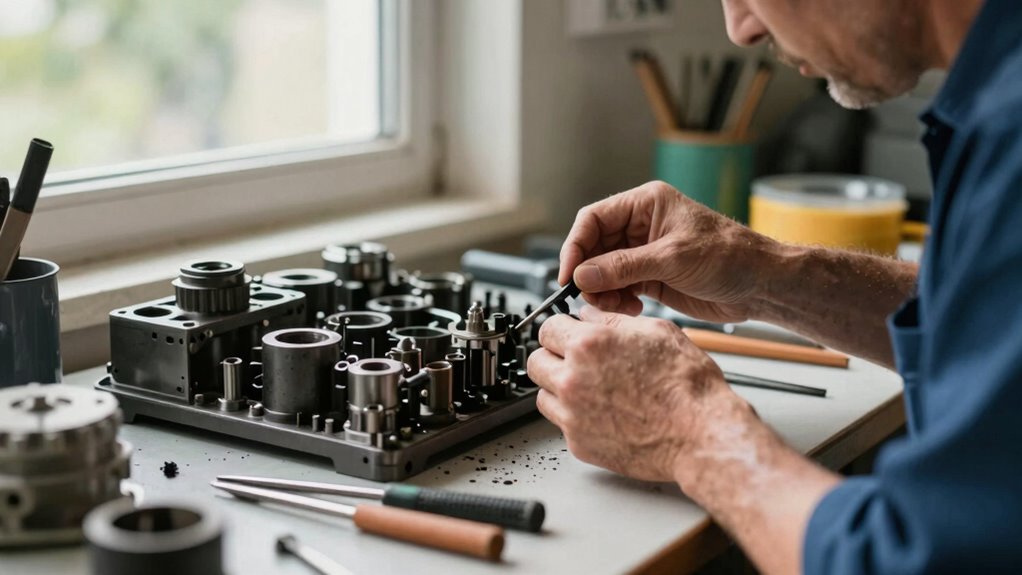
Have you ever wondered why some assets remain functional and valuable over time while others quickly fall into disrepair? The key often lies in maintenance literacy—the knowledge and skills that enable you to care for your assets properly. When you understand the importance of preventive strategies, you can spot issues early before they escalate into costly repairs or replacements. Maintenance literacy empowers you to develop the skills needed to perform routine tasks, such as cleaning, lubricating, or inspecting equipment, which keeps everything running smoothly. It’s not just about fixing things when they break but about actively preventing problems from occurring in the first place.
By honing your maintenance skills, you become more confident in addressing minor issues on your own, reducing reliance on external technicians or costly service calls. This proactive approach is fundamental to sustainable ownership, as it extends the lifespan of your assets and maximizes their value. When you prioritize preventive strategies, you’re not waiting for a breakdown to act; instead, you’re regularly monitoring and maintaining your assets to catch potential problems early. This mindset supports a cycle of ongoing skill development, where each maintenance task enhances your understanding and competence. Additionally, understanding preventive strategies can help you implement effective routines that save time and resources over the long term. Developing a strong foundation in maintenance best practices can also lead to increased safety and efficiency in your operations. Cultivating this maintenance mindset encourages a responsible attitude that benefits both your assets and the environment.
Proactive maintenance boosts confidence, extends asset lifespan, and fosters continuous skill growth for sustainable ownership.
Developing maintenance literacy also means fostering a sense of responsibility for your assets. You start to see maintenance as an integral part of ownership rather than a burdensome chore. Over time, you learn to identify signs of wear and tear and implement appropriate preventive measures. For example, regularly checking fluid levels or cleaning filters can prevent equipment failure. These simple actions, when performed consistently, save you money and reduce downtime, reinforcing the sustainability of your ownership. Moreover, a comprehensive understanding of asset care can improve your ability to anticipate issues before they arise, further safeguarding your investments. Additionally, understanding proper maintenance scheduling and planning can help you allocate resources efficiently and avoid last-minute repairs.
Furthermore, understanding maintenance best practices encourages you to adopt sustainable habits, such as using eco-friendly lubricants or recycling parts. Your awareness of how your actions impact the environment aligns with the broader goal of sustainable ownership. As you develop your skills, you also become better equipped to make informed decisions about upgrades, replacements, or repairs, ensuring that your assets serve you well for the long term.
In essence, maintenance literacy transforms ownership from a reactive obligation into a proactive, sustainable practice. By embracing preventive strategies and continuously developing your skills, you not only preserve the functionality and value of your assets but also contribute to a more sustainable future. It’s about taking control, investing in your knowledge, and making informed choices that benefit both your property and the environment.
Products Worth Considering

eufy Security SoloCam E42 4-Camera Kit, 4K Solar Security System

Philips Hue Festavia Outdoor Globe String Lights, 8 Bulbs, 22 ft

Philips Hue Play Gradient 65-Inch Smart TV Light Strip
As an affiliate, we earn on qualifying purchases.
Frequently Asked Questions
How Can Maintenance Literacy Reduce Overall Ownership Costs?
By improving your maintenance literacy, you can identify issues early, which helps reduce overall ownership costs through cost reduction and risk management. When you understand proper maintenance procedures, you prevent costly repairs and extend equipment lifespan. This proactive approach minimizes unexpected breakdowns, saving money and time. Ultimately, your maintenance knowledge empowers you to make informed decisions, lowering expenses and managing risks effectively, leading to more sustainable and affordable ownership.
What Skills Are Essential for Developing Maintenance Literacy?
Mastering maintenance literacy demands a mix of skills. You need to grasp preventive strategies, understanding how to prevent problems before they escalate. Strong problem-solving powers help you troubleshoot issues efficiently. Effective knowledge transfer ensures you share insights clearly with others. Communication skills keep everyone on the same page. Technical know-how and hands-on experience deepen your understanding, making maintenance management manageable and more effective, empowering you to sustain and safeguard your assets confidently.
How Does Maintenance Literacy Impact Equipment Longevity?
Maintaining your equipment’s longevity relies heavily on your maintenance literacy. By applying preventive strategies and continuously developing your skills, you catch issues early and address them effectively. This proactive approach reduces wear and tear, minimizes downtime, and extends the lifespan of your equipment. As you improve your skill set, you become more confident in performing maintenance tasks, ensuring your equipment stays in ideal condition longer, ultimately saving costs and enhancing operational efficiency.
Can Maintenance Literacy Be Taught to Non-Technical Owners?
Yes, you can definitely learn maintenance literacy, even if you’re not technically inclined. With a focus on DIY skills and safety awareness, you’ll find it easier to grasp essential concepts. Teaching non-technical owners bridges the gap, empowering you to perform basic upkeep confidently. You don’t need advanced training—just a willingness to learn, follow safety protocols, and build practical skills that extend equipment life and reduce costly repairs.
What Role Does Technology Play in Enhancing Maintenance Literacy?
Technology plays a essential role in enhancing your maintenance literacy through digital integration and user empowerment. Digital tools, like apps and sensors, provide real-time data, making maintenance tasks clearer and more manageable. This integration empowers you to identify issues early, perform basic repairs, and optimize equipment lifespan. As a result, you become more confident and self-reliant, reducing downtime and costs, and fostering a sustainable ownership mindset.
Conclusion
In fact, studies show that homeowners who invest in maintenance literacy reduce repair costs by up to 30%. By understanding how to care for your property, you not only extend its lifespan but also contribute to a more sustainable future. Embracing maintenance literacy means you’re empowered to make smarter decisions, save money, and protect your investment. So, take the time to learn and practice maintenance skills—your home and the planet will thank you for it.