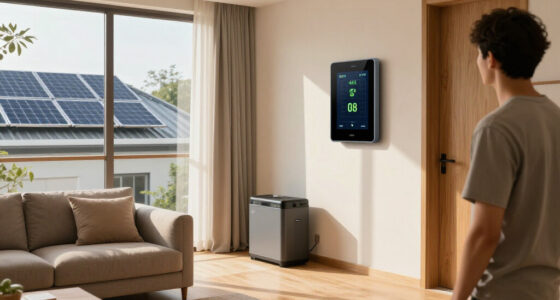
Creating a carbon-neutral home that combines luxury with net-zero emissions involves integrating high-efficiency solar panels, sustainable materials, and energy-efficient design elements like superior insulation and smart systems. You can reduce your environmental footprint without sacrificing comfort by prioritizing durable, eco-friendly finishes and seamless energy capture. This approach not only promotes responsible living but also positions your home as a statement of sustainability and luxury. To discover more innovative strategies, keep exploring the essentials of sustainable design.

Get furniture and decor delivered free — and shop member deals
- Fast, free delivery on millions of items
- Access to Prime Big Deal Days deals on October 6–7
- Prime Video, Amazon Music and more included
Key Takeaways
- Integrate high-efficiency solar panels with energy storage to harness and store renewable power for a net-zero home.
- Use sustainable, low-impact materials like reclaimed wood and recycled metals to reduce embodied energy and promote durability.
- Incorporate superior insulation, energy-efficient windows, and eco-friendly roofing to maintain indoor temperature stability.
- Design with a focus on mindful living, prioritizing quality, longevity, and responsible luxury over quantity.
- Combine renewable energy systems with thoughtful architectural choices to achieve both sustainability and a luxurious lifestyle.
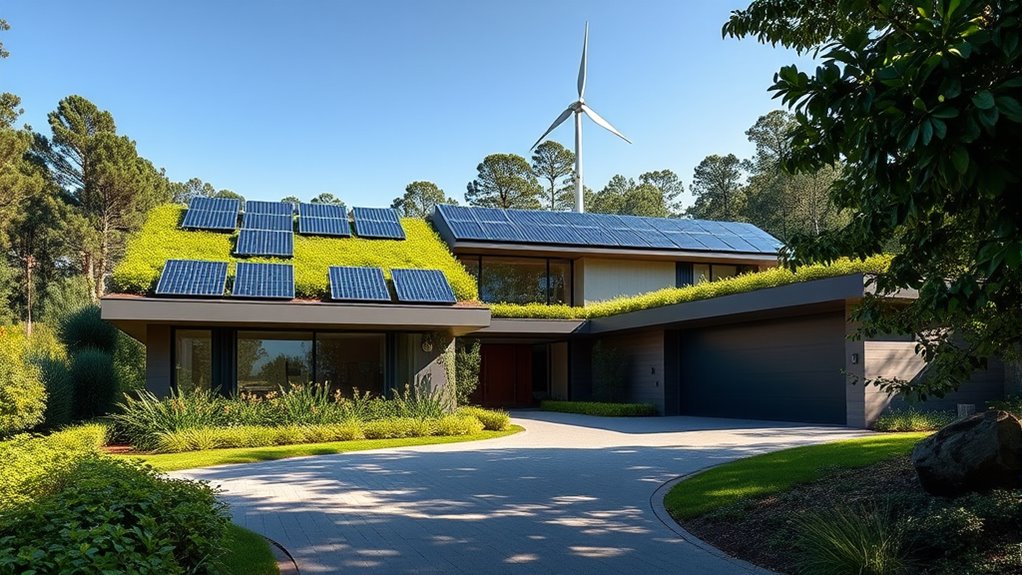
Have you ever wondered how your home can help fight climate change? The idea of a carbon-neutral home isn’t just about reducing your environmental footprint; it’s about creating a space that embodies sustainability without sacrificing luxury. Achieving this balance starts with thoughtful design choices, especially when it comes to solar integration and sustainable materials. Solar energy plays a pivotal role in reaching net-zero emissions. By incorporating high-efficiency solar panels into your home’s architecture, you can harness the sun’s power to generate clean electricity, reducing reliance on fossil fuels. Modern solar integration isn’t limited to simple panels on the roof; it involves seamless systems that optimize energy capture, storage, and distribution. This means your home can store excess energy for cloudy days or high-demand periods, ensuring you’re self-sufficient and minimizing your carbon footprint. Using sustainable materials is equally essential. Opting for eco-friendly options like reclaimed wood, recycled metal, and low-impact insulation contributes to a healthier environment and a healthier home. These materials often have lower embodied energy, meaning they require less energy to produce and transport, which further reduces your home’s overall carbon footprint. Additionally, sustainable materials tend to have better indoor air quality, providing a healthier living environment for you and your family. When designing your home for sustainability, consider integrating these materials into every aspect—from the foundation to the finishing touches. Not only does this promote a circular economy by reducing waste, but it also ensures your home remains durable and timeless, avoiding the need for frequent replacements or renovations. The combination of solar integration and sustainable materials also influences other aspects of design, such as insulation and energy efficiency. Well-insulated walls, windows, and roofing made from eco-friendly materials help maintain a steady indoor temperature, reducing the need for heating or cooling. As a result, your energy consumption drops considerably, further supporting your goal of net-zero emissions. Beyond the technical aspects, creating a carbon-neutral home involves a mindset shift toward mindful living. It’s about choosing quality over quantity, investing in durable, sustainable components, and designing for long-term efficiency. When you prioritize solar integration and sustainable materials, you’re not just building a house; you’re constructing a statement of commitment to the planet. This approach elevates your home to a symbol of responsible luxury—one that’s as beautiful and functional as it is environmentally conscious. In the end, your home becomes a powerful tool in the fight against climate change, demonstrating that sustainability and comfort can coexist seamlessly. Incorporating renewable energy technologies into your design not only enhances your home’s sustainability but also aligns with future trends in environmental innovations.
high efficiency solar panels for home
As an affiliate, we earn on qualifying purchases.
As an affiliate, we earn on qualifying purchases.
Frequently Asked Questions
What Are the Initial Costs of Implementing Net-Zero Features?
The initial costs of implementing net-zero features vary, but you should expect higher upfront investments for energy-efficient systems, solar panels, and sustainable materials. However, financial incentives like rebates and tax credits can offset some expenses. While these investments are significant initially, they often lead to lower long-term energy bills, making your home more cost-effective and environmentally friendly in the long run.
How Long Does It Take to Design a Carbon-Neutral Home?
You wonder how long it takes to design a carbon-neutral home, right? The design process typically spans several months, depending on complexity and customization. A well-planned project timeline can range from six months to over a year, as you collaborate with experts, select sustainable materials, and fine-tune energy systems. Staying engaged throughout guarantees your home meets net-zero goals without rushing the innovative design.
Are There Any Government Incentives for Building Net-Zero Homes?
Yes, you can benefit from government grants and policy incentives when building net-zero homes. Many local and national governments offer financial support, tax credits, or rebates to encourage sustainable construction. By exploring these options, you could reduce your upfront costs and make your eco-friendly home more affordable. Check with your local authorities or energy programs to find specific incentives available in your area and maximize your benefits.
How Do Net-Zero Homes Perform in Extreme Weather Conditions?
Net-zero homes perform well in extreme weather conditions by offering superior weather resilience and climate adaptability. Their design often includes advanced insulation, airtight construction, and energy-efficient systems, helping you stay comfortable during storms, heatwaves, or cold snaps. These features reduce reliance on external energy sources, ensuring your home remains safe and stable regardless of weather challenges, making them a smart investment for long-term resilience and environmental sustainability.
Can Existing Homes Be Retrofitted to Achieve Carbon Neutrality?
Yes, you can retrofit existing homes to achieve carbon neutrality, but you’ll face retrofit challenges like upgrading insulation, installing renewable energy systems, and improving efficiency. To make it practical, focus on cost-effective solutions such as sealing leaks, adding smart thermostats, and switching to energy-efficient appliances. These steps reduce emissions, lower energy bills, and help transform your home into a sustainable, luxury space without starting from scratch.
Conclusion
By embracing carbon-neutral home design, you can enjoy luxury while making a positive impact on the environment. It’s about more than just aesthetics—it’s a commitment to sustainability and future generations. As you consider your home’s footprint, ask yourself: isn’t creating a space that’s both beautiful and responsible the true mark of modern living? With mindful choices, you can turn your home into a sanctuary that reflects your values and helps protect the planet.
Halloween Picks
halloween
As an affiliate, we earn on qualifying purchases.