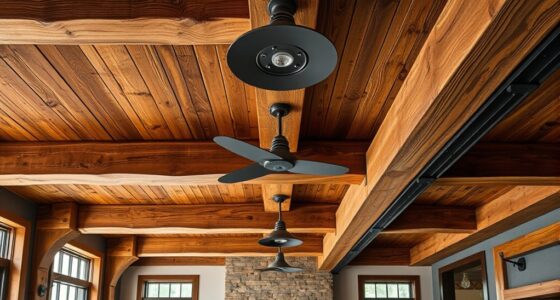
To spot fake reclaimed materials, look for artificial aging signs like uniform surfaces and overly perfect finishes. Genuine reclaimed items show natural wear, such as dents, patina, and irregular grain. Ask suppliers for provenance documents and examine the material’s origin—authentic reclaimed wood from old barns or factories will have unique marks and weathering. Some tips and details on verifying authenticity and avoiding fakes are covered if you explore further.
Key Takeaways
- Look for natural, uneven wear, patina, and irregular grain that indicate genuine aging.
- Check for signs like old nail holes, tool marks, and weathered surfaces.
- Verify provenance through documentation, certifications, or expert inspection.
- Question suppliers about sourcing, authenticity verification, and reclaiming processes.
- Be cautious of overly uniform, pristine, or artificially distressed finishes that suggest fakery.
What Are Reclaimed Materials and Why Authenticity Matters
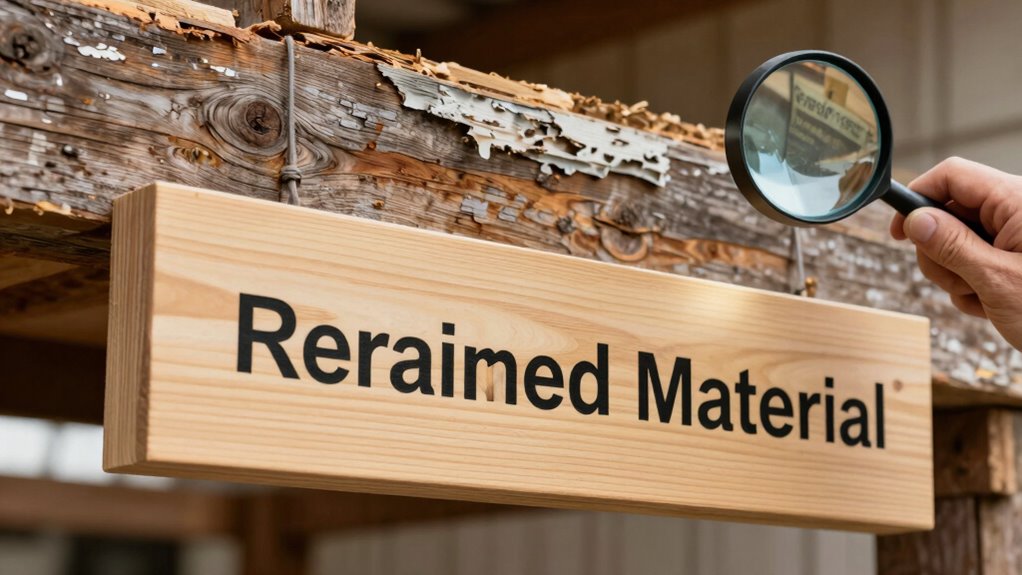
Reclaimed materials are items that have been previously used or produced but are repurposed instead of being discarded. They play a key role in upcycling trends and sustainable practices, helping reduce waste and conserve resources. When you choose authentic reclaimed materials, you’re supporting environmentally conscious efforts and adding unique character to your projects. Authenticity matters because fake reclaimed items may be mass-produced or artificially aged, undermining their true eco-friendly value. Recognizing genuine reclaimed materials ensures you’re making a meaningful contribution to sustainability. It also preserves the integrity of upcycling trends, which celebrate creativity and resourcefulness. By understanding what makes reclaimed materials authentic, you can confidently incorporate them into your designs, knowing you’re supporting eco-conscious practices and truly embracing sustainability. European cloud innovation and sustainable manufacturing methods further enhance the authenticity and environmental benefits of reclaimed materials.
Common Signs of Fake Reclaimed Materials

You should watch out for inconsistent aging signs, which can reveal fake reclaimed materials. If the surface looks too uniform or pristine, it’s likely artificially aged or new. An overly perfect finish often indicates it’s not genuinely reclaimed, so examine the details closely. Additionally, proper ventilation can influence how well reclaimed materials age naturally over time.
Inconsistent Aging Signs
Because counterfeit reclaimed materials often lack genuine aging patterns, inconsistent signs of wear and tear can be a telltale indicator. Genuine reclaimed pieces typically show a natural, uneven vintage appeal, with subtle variations in surface texture and color. If the surface looks overly uniform or artificially distressed, it’s a red flag. Fake reclaimed materials often have a consistent finish that doesn’t mirror authentic aging, which usually involves irregularities like chipped paint, faded spots, or uneven stains. Pay attention to these details, as authentic reclaimed wood and materials reveal signs of use that develop naturally over time. When the aging appears too perfect or uniform, it’s likely a manufactured look meant to mimic true vintage charm, but lacking the authentic character of genuine reclaimed items. Recognizing authentic aging signs can help distinguish real reclaimed materials from imitations.
Excessively Perfect Finish
Have you ever noticed how fake reclaimed materials often look too perfect? Genuine reclaimed pieces typically display a vintage patina and surface distressing that tell their unique story. If a material appears flawlessly smooth or uniformly finished, it’s a red flag. Authentic reclaimed wood or metal usually has irregularities, subtle dents, or variations in color caused by years of wear. An excessively perfect finish suggests it’s been artificially treated or overly refined to hide imperfections. Look closely for signs of surface distressing—scratches, chips, or uneven coloration—that add character. Fake reclaimed materials often lack these natural imperfections, giving them an overly pristine appearance. Trust your eyes: authentic reclaimed should feel genuine, with a layered, weathered look, not a polished, uniform surface.
How to Verify the Authenticity and Age of Reclaimed Products

Determining the authenticity and age of reclaimed products can seem challenging, but there are clear methods to help you verify their origin. Start by researching the historical context of the material—knowing when certain wood or metal types were commonly used can guide your assessment. Examine the material’s durability; authentic reclaimed items often show signs of aging like weathering, patina, or wear patterns that are difficult to replicate. Look for unique features, such as old nail holes or tool marks, that indicate genuine craftsmanship. Consulting with experts or requesting documentation can also provide valuable insights into the product’s provenance. By combining knowledge of historical context with careful physical inspection, you can better determine whether a reclaimed product is truly authentic and aged appropriately. Additionally, understanding common cybersecurity vulnerabilities can help protect your digital assets during the verification process.
Key Questions to Ask Your Supplier About Reclaimed Materials

When sourcing reclaimed materials, ask your supplier about their process for verifying material provenance to guarantee authenticity. It’s also important to understand how transparent they are about their reuse practices and overall workflow. Clear answers help you assess the quality and sustainability of the materials you’re considering. Additionally, inquire whether the supplier uses certification standards related to reclaimed or recycled content to ensure credibility.
Material Provenance Verification
To guarantee the reclaimed materials you’re considering are truly sustainable and ethically sourced, it’s essential to ask your supplier targeted questions about their provenance verification processes. Visualize these key steps: 1. Request documentation tracing the material’s origin, ensuring it’s genuinely reclaimed and not a marketing ploy. 2. Ask about their methods for verifying environmental impact reductions, countering common upcycling myths. 3. Confirm if independent audits or third-party certifications validate their claims, safeguarding against false “reclaimed” labels. Additionally, understanding the material’s durability and how it aligns with your project needs can further ensure long-term satisfaction with your reclaimed materials.
Reuse Process Transparency
Ever wondered how transparent your supplier is about their reuse processes? Asking about reclaimed certification can reveal if they genuinely adhere to industry standards. A reputable supplier should readily share details about their material origin, showing where reclaimed materials come from and how they’re processed. Transparency in the reuse process includes understanding the steps taken to reclaim, clean, and refurbish materials, ensuring no shortcuts compromise quality. Don’t hesitate to request documentation or certifications that validate the reclaimed status. Clear answers demonstrate their commitment to authenticity and ethical sourcing. If your supplier hesitates or provides vague responses, it’s a red flag. Reclaimed certification and a transparent reuse process help you confidently identify genuine reclaimed materials and avoid falling for fake claims. Additionally, understanding the reclaiming process can provide insight into the sustainability practices behind the materials.
Genuine vs. Faux Reclaimed Wood and Metals: What’s the Difference?
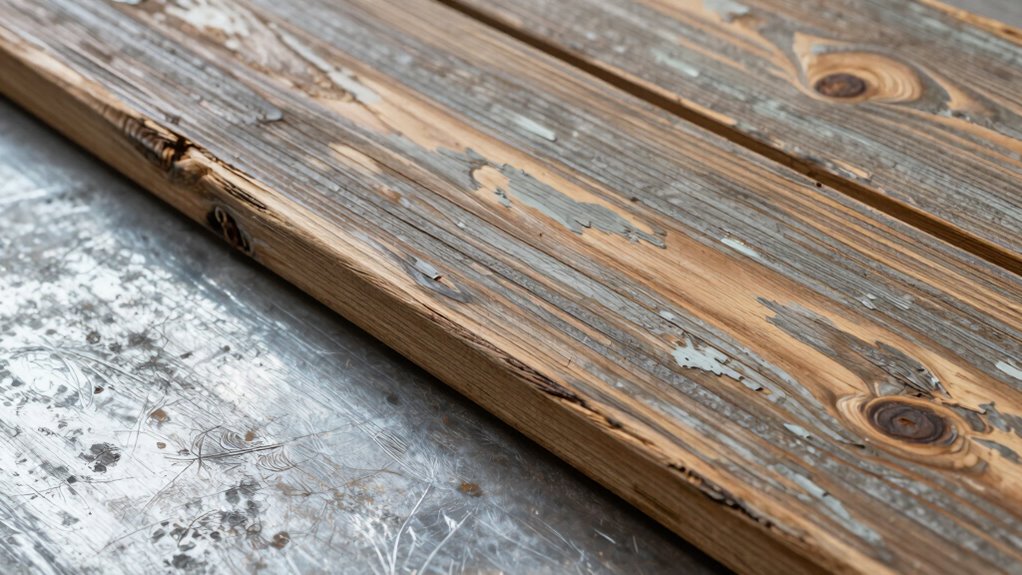
Understanding the difference between genuine and faux reclaimed wood and metals is essential if you’re aiming for authentic style or budget-friendly options. Genuine reclaimed materials carry a story—weathered surfaces, aged patinas, and unique imperfections that add character to your space. Faux reclaimed items mimic these features but are often manufactured. To tell them apart, picture:
Genuine reclaimed materials show authentic aging and imperfections; faux versions mimic these features but lack true history.
- Weathered surfaces with authentic aging like barn wood or old factory beams.
- Distinctive patinas and markings that develop over decades.
- Authentic wear and tear, such as nail holes or rough edges, that are impossible to fake convincingly.
Additionally, material authenticity can often be verified through detailed inspection and knowledge of the sourcing process.
Choosing genuine reclaimed supports sustainable design and enhances industrial aesthetics. Faux options might save money, but they lack the true history and depth that authentic materials bring to your project.
Visual Clues: How to Spot Fake Reclaimed Materials

When examining reclaimed materials, visual clues can reveal whether they’re genuine or fake. Authentic reclaimed pieces often display signs of age, such as weathered surfaces, irregular grain, or subtle nail holes, reflecting their previous life. Fake reclaimed materials may look artificially distressed or too uniform, which raises questions about their environmental impact and true sustainability. Pay attention to color consistency; genuine reclaimed wood may have varied hues from exposure, while fake versions often have an even, manufactured look. Additionally, look for markings or labels indicating a sustainability certification, which supports their genuine reclaimed status. Recognizing these visual cues helps you avoid materials that might seem reclaimed but lack the environmental benefits and authenticity you seek. Proper identification methods can further ensure you select truly reclaimed materials that align with your sustainability goals.
Certifications and Documents That Confirm Reclaimed Status
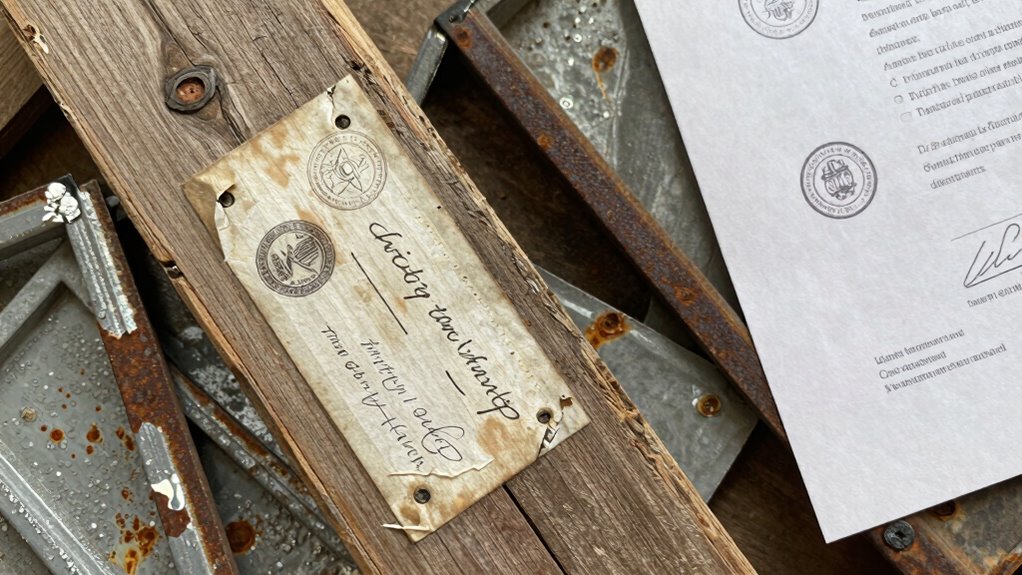
How can you be sure that reclaimed materials are genuinely sustainable? Certifications and documents are your best tools. They reduce liability concerns and verify environmental impact. Look for official papers such as:
Certifications and documentation verify reclaimed materials’ authenticity and sustainability.
- Reclaimed Material Certification – confirms the source and authenticity of the reclaimed claim.
- Environmental Impact Reports – detail the ecological benefits and lifecycle assessments.
- Traceability Documentation – provides a documented history from origin to final use, ensuring transparency. Increasingly, young tennis prodigies are also being recognized for their sustainable practices and awareness, which can influence material choices in their sports gear and equipment.
These documents help you avoid fake claims and ensure you’re sourcing truly reclaimed materials. They also protect you from liability issues if questioned later. When a supplier offers clear, verifiable paperwork, you can confidently assess the environmental impact and trust in the reclaimed status of the materials.
Is Price a Reliable Indicator of Reclaimed Authenticity?
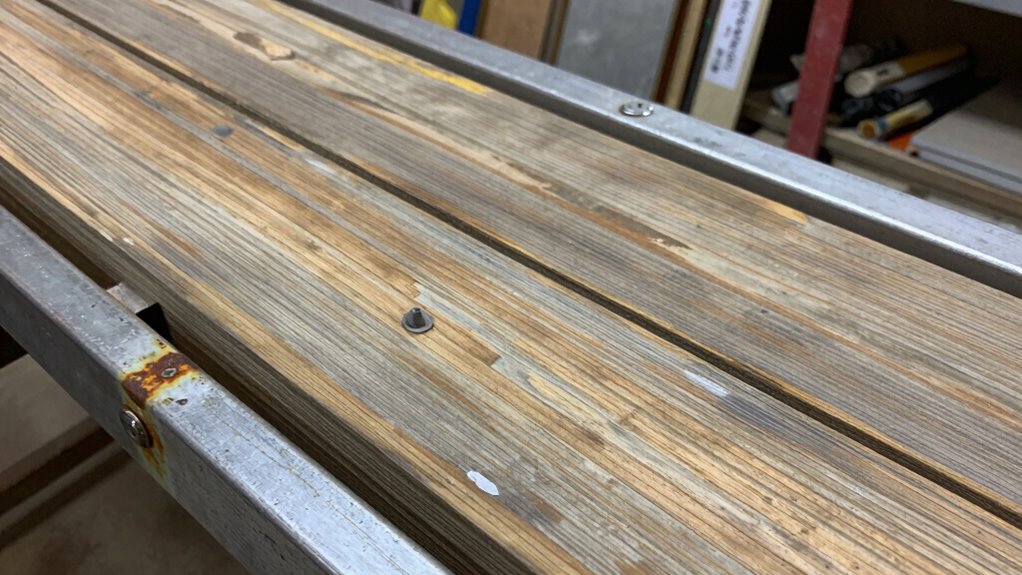
While a higher price might suggest better quality or authenticity, it isn’t a foolproof indicator of reclaimed materials. Price fluctuations often depend on market demand rather than authenticity. High demand can inflate prices regardless of whether the material is genuinely reclaimed. Conversely, some sellers may overcharge for faux reclaimed items to capitalize on trends. To better understand, consider this comparison:
| Price Range | Market Demand | Authenticity Clues |
|---|---|---|
| Low | Low | Likely not reclaimed |
| Moderate | Steady | Verify with certifications |
| High | Fluctuating | Beware of inflated claims |
Always check multiple factors instead of relying solely on price. Authentic reclaimed materials should have consistent market value, not just high prices driven by demand.
Tips for Buying Reclaimed Materials From Trusted Sources
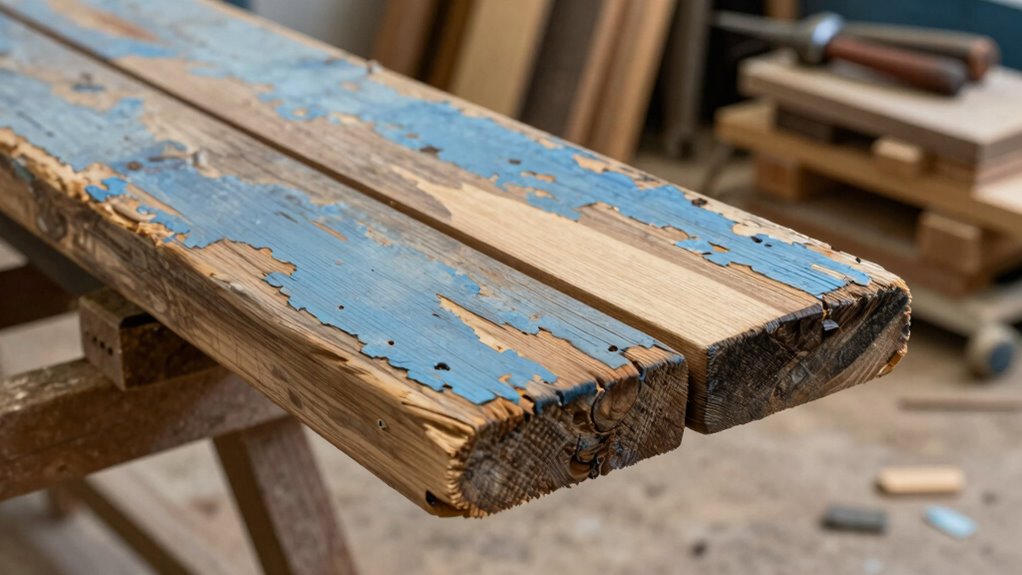
To guarantee you’re getting authentic reclaimed materials, it’s essential to buy from trusted sources with a proven reputation. Look for vendors committed to sustainable sourcing and eco-friendly practices. Start by:
- Visiting their facility or warehouse to see reclaimed materials firsthand, ensuring they’re genuinely salvaged and not just repackaged.
- Asking for documentation or certification that verifies the origin and history of the materials, emphasizing transparency.
- Checking online reviews and testimonials to gauge their reputation for authenticity and quality.
Frequently Asked Questions
Can Reclaimed Materials Be Recycled or Reused Multiple Times?
Yes, reclaimed materials can be recycled or reused multiple times, showcasing their upcycling potential. However, you should consider durability concerns, as repeated reuse may weaken certain materials over time. To maximize their lifespan, inspect reclaimed items carefully and choose those that maintain structural integrity. Proper maintenance and treatment can extend their usability, making them an eco-friendly and cost-effective choice for your projects.
Are There Specific Regions Known for Authentic Reclaimed Materials?
You’ll find authentic reclaimed materials often come from regional sources with strong geographic authenticity, like historic buildings or old factories in specific areas. Regions known for their architectural heritage or industrial past tend to produce genuine reclaimed materials. By researching these regional sources, you can better identify authentic reclaimed products, ensuring they truly reflect their origin and aren’t just marketed as reclaimed without genuine heritage or history.
How Do Environmental Certifications Relate to Reclaimed Product Claims?
Environmental certifications are like a superhero cape for reclaimed products, proving their authenticity and eco-friendly status. Certification standards verify that materials genuinely have a lower environmental impact, preventing sneaky claims. By checking these certifications, you ensure you’re supporting truly sustainable practices. They act as a guarantee, cutting through the hype and deception, so you can confidently choose products that genuinely reduce environmental impact and uphold high sustainability standards.
What Are Common Misrepresentations Sellers Make About Reclaimed Materials?
You might notice sellers claiming materials are reclaimed when they aren’t, often to boost their sustainable sourcing appeal. They may exaggerate or fabricate origins, making it hard to verify authenticity. To avoid being duped, always check for authenticity verification and ask for detailed sourcing information. Be cautious of vague descriptions and seek third-party certifications that confirm the reclaimed status, ensuring you support genuinely sustainable practices.
Can Reclaimed Materials Be Safely Used in Food-Related Applications?
You might wonder if reclaimed materials are safe for food use, and the truth is, they can be, but only if properly cleaned and tested for food safety. Material contamination is a key concern, so confirm the reclaimed items haven’t been exposed to chemicals or pollutants. Always verify that reclaimed materials meet food-grade standards before using them in food-related applications to prevent health risks.
Conclusion
By being bold and discerning, you can distinguish genuine reclaimed materials from fake fakes. Look for labels, ask questions, and examine evidence to verify authenticity. Don’t be duped by deceptive deals—trust your tips and test your tactics. With a keen eye and a little caution, you’ll confidently choose reclaimed, reducing waste and rewarding your wallet. Remember, thoroughness and skepticism safeguard your style and sustainability—making your purchase both smart and sensational!