
If you value luxury that’s responsible and meaningful, preserving craft plays a key role. By supporting traditional techniques, you help keep cultural heritage alive and prevent mass production from erasing unique skills. Craftsmanship often uses eco-friendly, local materials, reducing environmental impact. It also promotes fair wages and ethical working conditions. Choosing handcrafted items encourages mindful consumption and sustainability, aligning with eco-conscious values. If you continue exploring, you’ll discover even more ways craft preservation enhances genuine luxury.
Key Takeaways
- Preserving traditional craftsmanship supports cultural heritage and maintains unique artisanal skills for future generations.
- Handmade goods use eco-friendly, locally sourced materials, reducing environmental impact and promoting sustainability.
- Craft preservation ensures authenticity, fostering a deeper connection between consumers, culture, and community stories.
- Supporting artisanal techniques encourages mindful consumption, durability, and reduces waste associated with fast fashion.
- Emphasizing traditional methods promotes biodiversity and sustainable use of local natural resources.
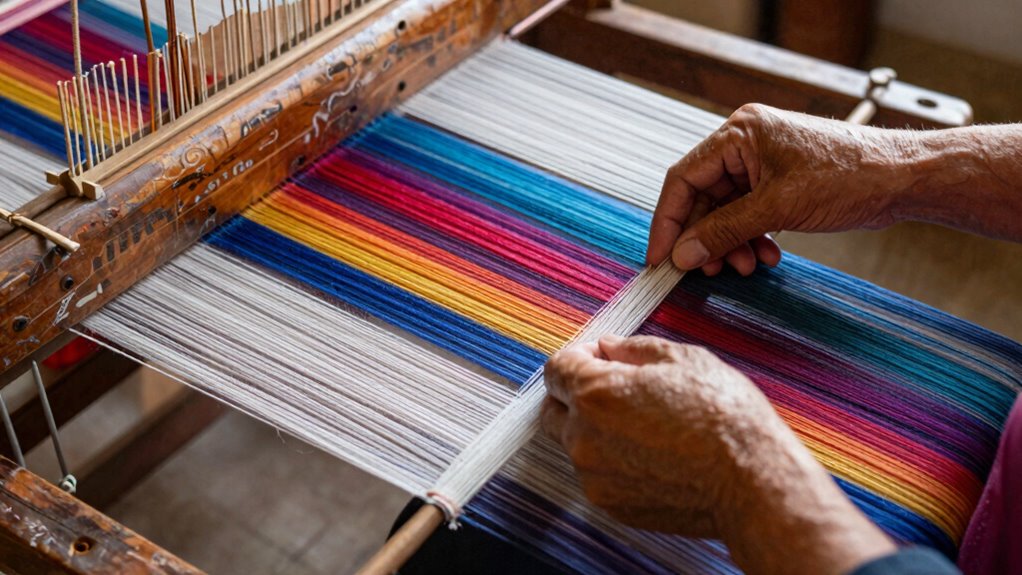
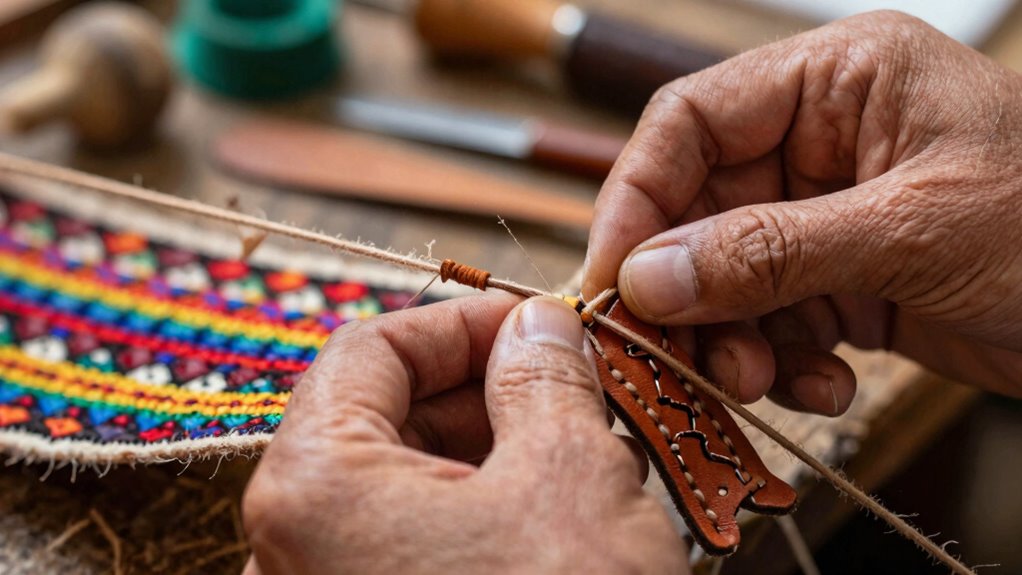
Have you ever wondered how to enjoy luxury while supporting craftsmanship and protecting the environment? The answer lies in embracing craft preservation as a core part of sustainable luxury. When you choose products rooted in cultural heritage and artisanal techniques, you’re not just acquiring a beautiful item—you’re supporting generations of tradition and skill. These techniques, often passed down through centuries, embody a deep connection to history and community. By valuing and maintaining these practices, you help keep cultural heritage alive, ensuring that these unique skills aren’t lost to mass production or disposable fashion.
Supporting traditional craftsmanship preserves cultural heritage and promotes sustainable, timeless luxury.
Supporting artisanal techniques means investing in craftsmanship that prioritizes quality over quantity. Unlike mass-produced goods, handcrafted items require time, precision, and a deep understanding of tradition. When you favor these products, you’re advocating for sustainable practices that minimize environmental impact. Artisans often use locally sourced, eco-friendly materials, and their work produces less waste compared to factory manufacturing. This approach promotes a circular economy, where resources are conserved and repurposed with care. Your choice to embrace artisanal craftsmanship therefore becomes a conscious step towards reducing your carbon footprint and supporting sustainable development.
In addition, craft preservation enhances the exclusivity and authenticity of luxury items. When you own a piece made through traditional techniques, you hold a tangible connection to a story, a culture, and a community. These items aren’t just possessions—they’re symbols of heritage and identity. By valuing craftsmanship, you also encourage fair wages and ethical working conditions for artisans, fostering economic empowerment in local communities. This holistic approach aligns luxury with social responsibility, making your purchase meaningful and impactful.
Moreover, embracing craft preservation challenges the fast-paced, throwaway culture that often dominates the fashion and luxury markets. It encourages a shift towards mindful consumption—buying fewer, better-made items that stand the test of time. When you choose products crafted with artisanal techniques, you’re endorsing durability, timeless design, and the importance of investing in quality. This mindset promotes sustainability, as it discourages the cycle of constant replacement and waste.
Furthermore, supporting craft preservation also promotes awareness of biodiversity, as many artisanal techniques rely on diverse, local plant and animal resources.
In essence, supporting craft preservation is a powerful way to enjoy luxury that’s ethically sound and environmentally responsible. It allows you to indulge in beauty and craftsmanship while honoring cultural heritage and promoting sustainable practices. Every purchase becomes a statement—one that values tradition, supports artisans, and helps protect our planet for future generations.
As an affiliate, we earn on qualifying purchases.
Frequently Asked Questions
How Does Craft Preservation Impact Local Economies?
You impact local economies by supporting craft preservation, which boosts cultural identity and promotes economic resilience. When you buy handmade items, you help sustain artisans and keep traditional skills alive, fostering community development. This creates jobs, encourages local entrepreneurship, and strengthens the economy. By valuing craft preservation, you contribute to a more sustainable, culturally rich environment, ensuring that local traditions thrive while providing economic stability for future generations.
What Are the Main Challenges in Maintaining Traditional Techniques?
The main challenges in maintaining traditional techniques are like balancing on a tightrope—cultural authenticity can fade while embracing technique innovation. You often face dwindling skilled artisans, high costs, and the risk of losing genuine craftsmanship. To preserve these techniques, you must navigate respecting heritage while adapting to modern needs, ensuring authenticity doesn’t slip away. Striking this balance is essential to keep craft alive and relevant in sustainable luxury.
Can Craft Preservation Be Scaled for Mass Production?
Yes, craft preservation can be scaled for mass production, but it requires balancing global export demands with cultural authenticity. You can achieve this by implementing innovative techniques that respect traditional methods while enhancing efficiency. Collaborating with local artisans guarantees authenticity remains intact, even as production expands. This approach helps preserve cultural heritage, promotes sustainable luxury, and meets the growing global appetite without compromising the integrity of the craft.
How Do Consumers Influence Sustainable Luxury Practices?
Like a ripple in a pond, your choices influence sustainable luxury practices. When you prioritize consumer awareness and demand ethical sourcing, you push brands to adopt more responsible methods. Your support for craft preservation encourages companies to value traditional techniques, reduce waste, and invest in sustainable materials. By choosing ethically sourced, handcrafted items, you help create a market where sustainability and luxury go hand in hand, shaping a better future for artisans and the planet alike.
What Role Do Governments Play in Supporting Craft Preservation?
Governments play a vital role by providing funding and establishing policy incentives that support craft preservation. They can fund training programs, protect traditional techniques, and create favorable policies that encourage artisans to maintain their skills. By doing so, governments help sustain cultural heritage and promote sustainable luxury practices, ensuring that craftsmanship remains vibrant and economically viable for future generations. Your support for these initiatives makes a meaningful difference.
Conclusion
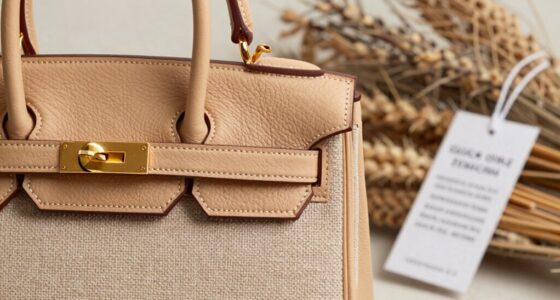
By valuing craft preservation, you contribute to sustainable luxury that respects tradition and promotes quality over quantity. Imagine a high-end handbag brand that invests in artisans’ skills, ensuring each piece is meticulously handcrafted and eco-friendly. This approach not only sustains cultural heritage but also appeals to conscious consumers seeking genuine, timeless products. Embracing craft preservation transforms luxury into a meaningful, responsible choice—one that celebrates craftsmanship and supports a more sustainable future.