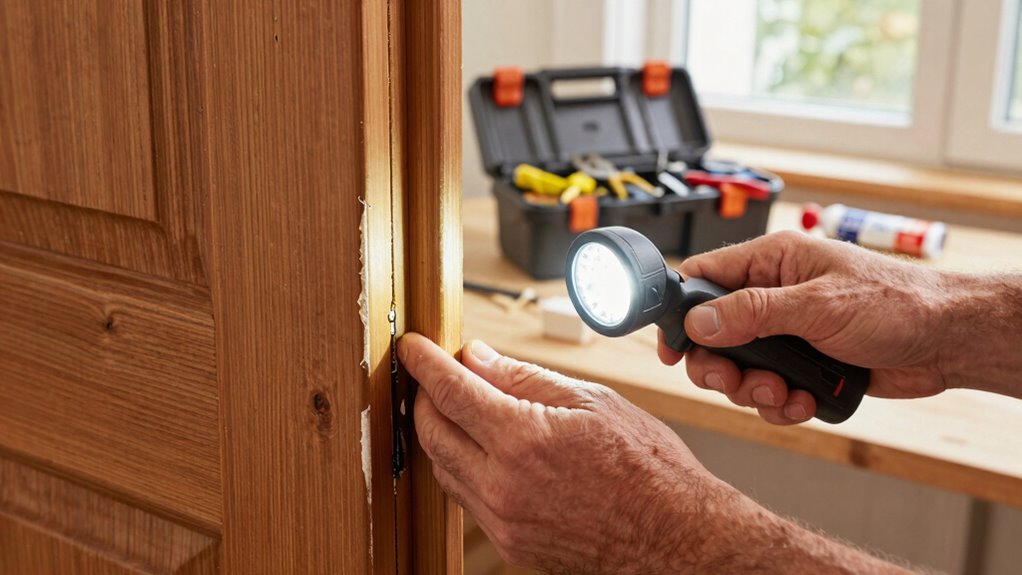

When you consider repair services before buying a home, you gain a clear view of potential issues and costs. Ignoring repairs during inspection can lead to unexpected expenses and oversights that impact your budget and property value. By evaluating repair needs upfront, you make smarter decisions, prioritize repairs, and avoid overpaying for hidden damages. If you want to understand how these insights can protect your investment and save you money, keep exploring the details.
Key Takeaways
- Repair services reveal hidden damages, preventing costly surprises after purchase.
- Assessments help determine true property value and strengthen negotiation leverage.
- Understanding repair needs guides realistic budgeting for renovation and ongoing maintenance.
- Identifying safety hazards early ensures a safer home environment and long-term durability.
- Incorporating repair insights informs smarter investment decisions and prioritizes necessary upgrades.
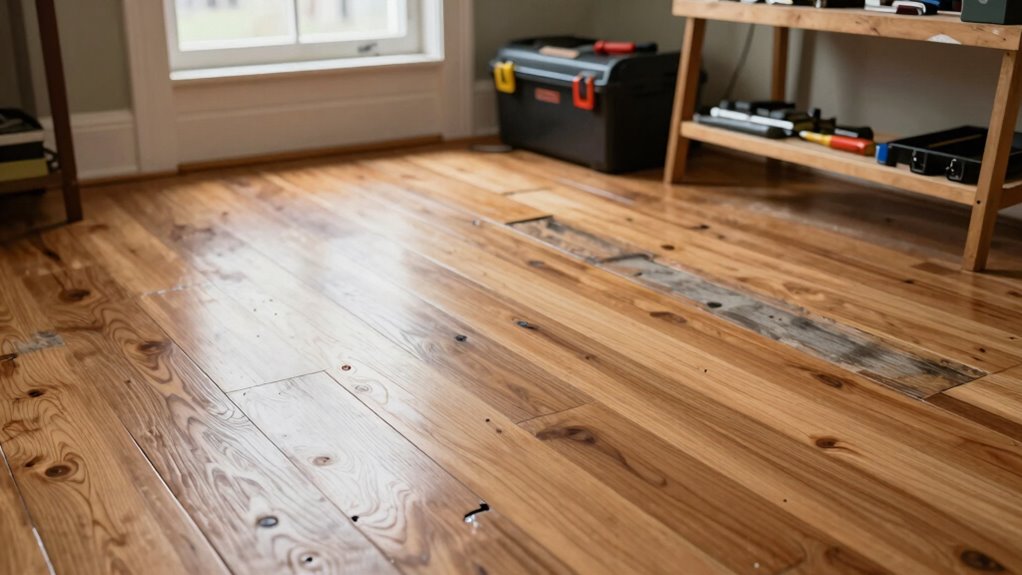
When you’re buying a new home, ensuring it’s in good condition can save you time, money, and stress down the line. Repair services play a crucial role in this process because they give you a clear picture of what needs fixing and how much it might cost to address those issues. Ignoring repairs during your home inspection can lead to unexpected expenses later, which often surpass your initial budget. By assessing repair needs upfront, you can factor in renovation costs and decide whether the property is a worthwhile investment or if renegotiating the price makes sense.
Assessing repair needs upfront helps you budget wisely and avoid unexpected expenses later.
Thinking about DIY tips can be tempting, especially if you’re handy or looking to cut costs, but it’s important to know your limits. Some repairs might seem simple but could turn into bigger problems if not handled correctly. For example, fixing a leaky faucet or patching drywall might be manageable, but overlooking structural issues or electrical problems can be risky. When you take repair services into account, you get a more realistic view of what it’ll take to get the home into shape. This insight helps you avoid surprises and can even give you leverage during negotiations, possibly lowering the price if repairs are extensive.
Additionally, understanding repair needs influences your overall decision about what to buy. A home with minor repairs might be appealing because you can handle those projects over time, while a property with significant issues could require a substantial investment upfront. Knowing the extent of renovation costs helps you plan ahead and prioritize your spending. It also provides a clearer picture of how much effort and money you’re willing to commit, especially if you’re considering renovation projects. This way, you won’t be caught off guard by hidden damages or unexpected expenses that could derail your plans. Moreover, home inspection and repair assessments are valuable tools in evaluating the true condition of a property before finalizing your purchase. Incorporating repair estimates into your decision-making process can further help in setting realistic expectations and avoiding costly surprises later. Being aware of structural issues during inspections can also help you avoid potential safety hazards and expensive repairs in the future. Recognizing the importance of repair services can also guide you in selecting suitable professionals for the job, ensuring quality work and safety.
Incorporating repair services into your home buying decision isn’t just about fixing problems; it’s about making smarter choices. It ensures you’re not just buying a house, but a home that fits your budget and lifestyle. Taking the time to evaluate repairs carefully helps you avoid overpaying for a property that might require more work than you’re prepared to handle. It’s also worth noting that considering cybersecurity aspects during renovation, such as smart home security systems, can add value and safety to your investment. Whether you’re planning to do some DIY tips or hire professionals, understanding repair needs and renovation costs allows you to move forward with confidence, knowing exactly what you’re investing in. That peace of mind makes all the difference in turning a good purchase into a great one.

NEIKO 20736A (6) Piece Set, Magnetic Tool & Telescoping Mirror Set, Adjustable Telescoping Magnetic Pickup Tool, Flashlight 15lb Retriever Tool, 360 Swivel, Magnet Mirror, Magnetic Tools for Mechanic
- Extendable Magnetic Pickup Tool: Up to nearly 3 feet long
- Built-in LED Flashlight: Hands-free illumination for retrieval
- Compact and Flexible Design: Telescoping, foldable, and 360° swivel
As an affiliate, we earn on qualifying purchases.
As an affiliate, we earn on qualifying purchases.
Frequently Asked Questions
How Do Repair Costs Impact Overall Home Affordability?
Repair costs greatly impact your home’s affordability because unexpected expenses can strain your budget. When you plan for DIY maintenance or renovation, you can better estimate future repair costs and avoid surprises. Incorporating repair services into your renovation planning helps you prioritize projects and allocate funds efficiently. This proactive approach ensures your home remains affordable over time, preventing costly repairs from becoming financial burdens that hinder your overall homeownership experience.
Should I Factor in Future Repairs When Negotiating Home Price?
Yes, you should definitely consider future repairs when negotiating the home price. Think about upcoming home upgrades and renovation planning, which can reveal hidden costs. By factoring in potential repairs, you can negotiate a better deal, ensuring the home fits your budget and long-term plans. This proactive approach helps prevent surprises and makes your investment more manageable, giving you peace of mind and a more realistic view of the home’s true value.
How Often Should Major Appliances Be Inspected or Repaired?
Think of your appliances like a car—regular inspections keep them running smoothly. For major appliances, follow manufacturer maintenance schedules, typically every 1-2 years for refrigerators or washing machines. An appliance’s lifespan varies, but timely repairs can extend it. For example, replacing a worn-out compressor early can avoid costly breakdowns later. Staying proactive helps you avoid surprises and keeps your home running efficiently.
Can Repair History Affect a Home’s Resale Value?
Yes, your repair history can impact your home’s resale value. If you have a record of regular repairs and maintenance, it shows potential buyers that you’ve taken good care of the property, which can boost resale value. Conversely, a history of frequent repairs or unresolved issues might raise concerns. Being transparent about your repair history and keeping maintenance records can help reassure buyers and enhance your home’s market appeal.
What Are the Best Ways to Budget for Home Repairs?
You should budget for home repairs by setting aside a dedicated fund, ideally 1-3% of your home’s value annually. Prioritize DIY projects for simple fixes to save money, and consider eco-friendly upgrades that reduce long-term costs. Track expenses carefully, plan for unexpected repairs, and explore financing options if needed. Staying proactive helps you manage repairs efficiently, making your home more sustainable and maintaining its value over time.
Conclusion
Considering repair services before purchasing a home can save you thousands and prevent future headaches. Did you know that nearly 70% of homebuyers regret skipping inspections or repairs beforehand? By factoring in repair needs, you make smarter decisions, ensuring your investment is sound and your home remains comfortable. Don’t overlook the importance of repair services—they’re not just about fixing things; they’re about securing your peace of mind and financial future.