TL;DR

Get furniture and decor delivered free — and shop member deals
- Fast, free delivery on millions of items
- Access to Prime Big Deal Days deals on October 6–7
- Prime Video, Amazon Music and more included
A Livingetc report draws on designer Amy Roebuck’s observations to describe home choices that may reflect a focus on pleasing guests, including safe color palettes and guest-first rooms. Roebuck suggests making small changes that give the homeowner’s own comfort and taste more space.
Livingetc has published a report on how people-pleasing may show up in decorating, citing designer Amy Roebuck on choices such as neutral paint, guest-oriented seating and a guest room that receives more attention than the homeowner’s bedroom. The article frames these patterns as observations about personal priorities, not as a diagnosis, and suggests making room for the resident’s own preferences.
Roebuck, founder of London-based AIRE Studio, says warm neutrals, soft terracottas and gentle blush shades can feel approachable to visitors. But she argues that the color alone does not establish why it was chosen. Her key question is whether the homeowner likes it or selected it because it seemed unlikely to draw objections or was fashionable.
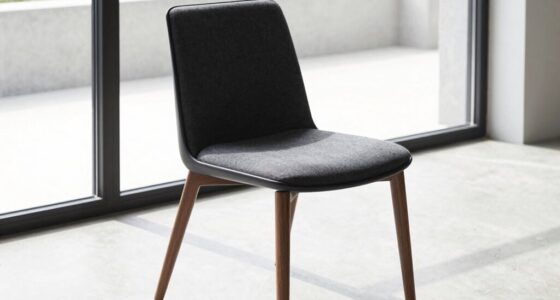
In living rooms, the report describes seating arranged to encourage conversation and make guests comfortable. Roebuck says the placement of the owner’s own seat can offer a clue: a particularly comfortable chair or one with a good view may be reserved for visitors, while the resident takes a less desirable spot. She recommends giving the best chair to the person who lives there.
The report also points to household goods and rooms that appear organized around hosting. Roebuck describes fine tableware saved for guests while residents use worn dishes, and guest rooms given hotel-style bedding and care while the primary bedroom remains unfinished or becomes a storage area. A further pattern, she says, is keeping personal objects out of sight while displaying gifts or compromise pieces chosen to satisfy others.
Making Room for the Resident
The article’s practical point is that everyday spaces serve the people who live in them as well as their visitors. When the best seat, dishes or bedroom are routinely reserved for guests, the resident may be giving up comfort in their own home. Roebuck’s suggestions are modest: use favored tableware during an ordinary meal, claim the comfortable chair, or bring a personally meaningful object into view.
These are presented as ways to reflect on taste and priorities, not as proof that someone is a people pleaser. The report does not offer research showing that a particular palette or furniture arrangement reliably identifies a personality trait. Its value is as a set of prompts for readers to consider whose preferences their home currently serves.
neutral wall paint for living room
As an affiliate, we earn on qualifying purchases.
As an affiliate, we earn on qualifying purchases.
From Hosting to Personal Taste
The report is based on Livingetc’s first-person account and an interview with Roebuck, whose practice applies psychology-informed approaches to residential design. The writer says therapy helped them recognize that their own past spaces often catered more to other people than to themselves.
Roebuck’s experience includes more than 20 years designing hotels, spas and residences, according to the article. She draws on environmental and color psychology among other approaches. The source presents her comments as professional observations and advice; it does not cite a study testing the decorating patterns described.
“The more interesting question is not which color, but who it was chosen for.”
— Amy Roebuck, founder of AIRE Studio, as quoted by Livingetc
What Decorating Can Show
The source does not establish that neutral colors, guest-ready rooms or saved tableware are reliable signs of people-pleasing. The same choices may reflect practical needs, personal taste, budget or a preference for hosting. It is also unclear how common these patterns are: the article offers no survey data or measured comparison.
The report’s advice is based on Roebuck’s design perspective and the writer’s personal experience. It does not claim that changing a room will address the underlying reasons someone prioritizes other people’s preferences.
Small Changes at Home
The report recommends starting with manageable choices: give the resident the preferred seat, use favorite dishes for a regular meal, finish the bedroom with the same care as the guest room, and display objects that reflect the homeowner’s taste. It also suggests making one corner of the home distinctly personal. The article provides no formal follow-up or timeline; any next steps are left to readers and their own circumstances.
Key Questions
What decorating choices does the report associate with people-pleasing?
It lists safe or broadly appealing colors, living room seating arranged primarily for guests, good tableware saved for visitors, a guest room given more care than the owner’s bedroom, and personal objects kept out of sight. These are presented as possible patterns, not diagnostic signs.
Does a neutral color palette mean someone is a people pleaser?
No. Roebuck says the reason behind a choice matters more than the color itself. The report does not claim that a neutral palette can identify someone’s personality.
What changes does Amy Roebuck suggest?
She suggests giving the resident the most comfortable seat, using favored tableware in everyday meals, caring for the primary bedroom and displaying personal objects that have been tucked away.
Is the report based on research about decorating and personality?
The source describes an interview with Roebuck and the writer’s personal experience. It does not cite a study that measures whether these decorating choices indicate people-pleasing.
Source: rss
Fall Picks
fall essentials
As an affiliate, we earn on qualifying purchases.