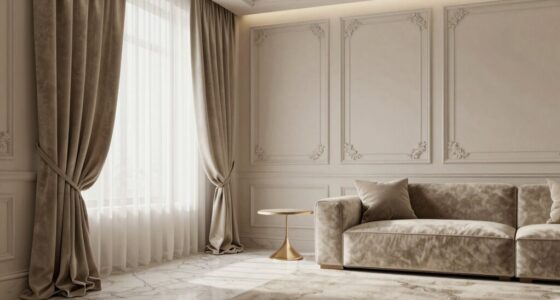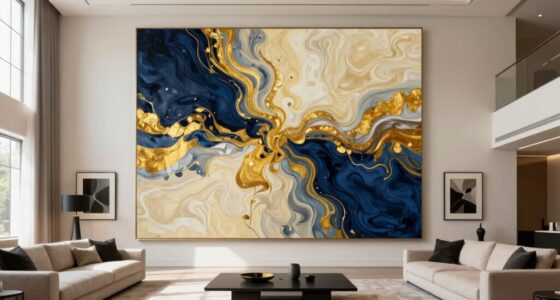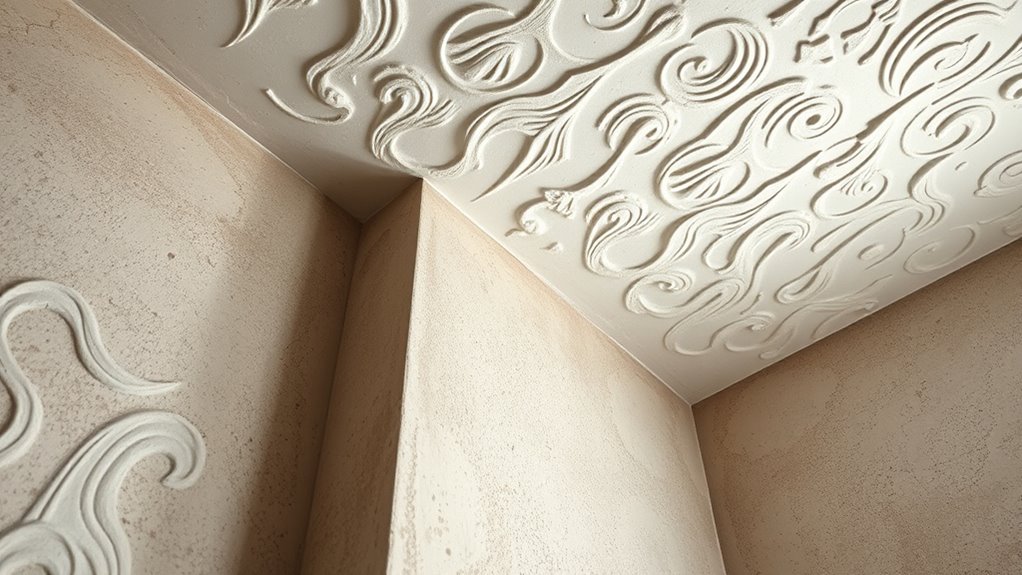

Textured walls and ceilings go beyond flat surfaces by adding depth, character, and personality to your space. They come in a variety of styles, from subtle swirls to bold patterns, and can help hide imperfections while enhancing acoustics. You can customize textures to match your design theme and easily update colors with paint. If you explore further, you’ll discover how textured finishes can elevate your interior’s style and functionality in surprising ways.

Get furniture and decor delivered free with Prime
- Fast, free delivery on millions of items
- Prime Video, Amazon Music and more included
- Member-only deals all year
Key Takeaways
- Textured walls and ceilings add depth, character, and personality to interior spaces, moving beyond flat surfaces.
- They offer a variety of styles, from subtle to bold, enhancing aesthetic appeal and complementing different design themes.
- Textures improve acoustics by absorbing and diffusing sound, creating a quieter and more comfortable environment.
- They help hide imperfections and minor blemishes, providing practical benefits alongside visual interest.
- Textured surfaces are versatile, easily customizable, and can be painted over for quick updates without losing their unique appeal.
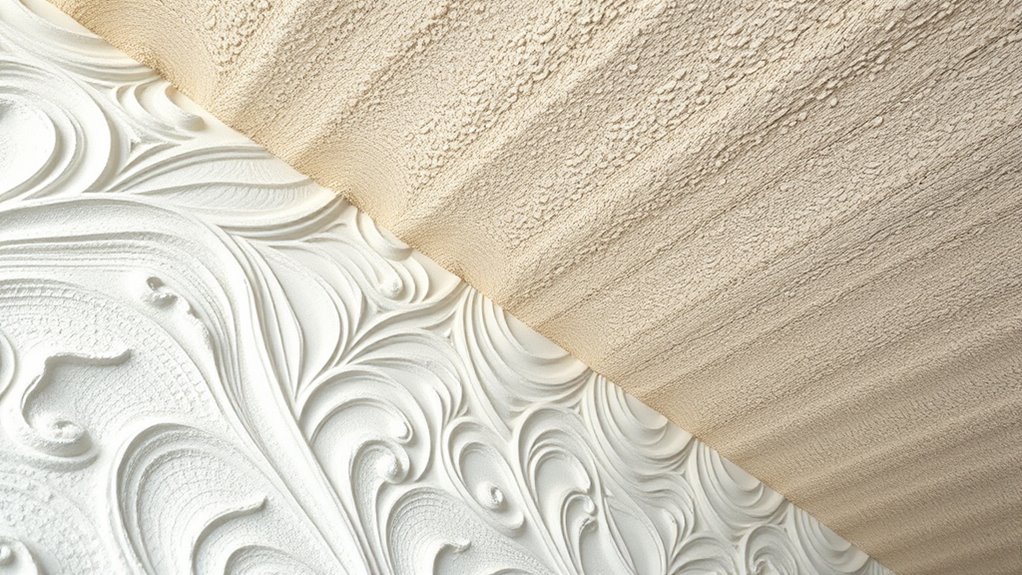
Have you ever wondered how textured walls and ceilings can transform a room’s look? The answer lies in their ability to add depth, character, and a touch of personality that flat surfaces simply can’t match. When you choose textured finishes, you’re not just opting for a different aesthetic—you’re creating a space that feels more inviting and visually interesting. Decorative finishes are a key reason many homeowners and designers lean toward textured walls and ceilings. These finishes come in a variety of styles, from subtle swirls to bold, three-dimensional patterns, allowing you to customize your space to reflect your taste. Whether you’re aiming for a rustic, modern, or eclectic vibe, textured surfaces serve as a versatile canvas that enhances the overall ambiance of any room.
Beyond aesthetics, textured walls and ceilings also offer functional benefits. One notable advantage is their potential for acoustic enhancements. Smooth, flat surfaces often reflect sound waves, which can cause echoes and reduce sound quality within a space. By contrast, textured finishes help absorb and diffuse sound, making rooms quieter and more comfortable. If you’re creating a home theater, a music studio, or even a cozy reading nook, textured ceilings and walls can considerably improve sound quality. You don’t need bulky soundproofing materials—sometimes, a well-applied textured finish can do the trick, blending beauty with practicality.
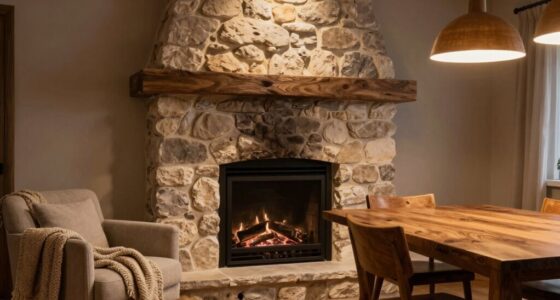
Applying textured finishes is a process that allows for creativity and personalization. You can opt for hand-troweled effects or machine-applied patterns, depending on your desired look and budget. The beauty of textured surfaces is that they can hide imperfections better than flat walls, which means fewer worries about minor blemishes or uneven patches. Plus, these finishes can be painted over, giving you the flexibility to change colors or refresh the look without removing the entire texture. Incorporating natural materials, such as stone or wood accents, can further enhance the tactile and visual appeal of textured walls and ceilings.
If you’re considering upgrading your living space, textured walls and ceilings are a smart choice. They elevate the visual appeal while offering practical benefits like improved acoustics. Decorative finishes give your room a distinctive personality, making it feel more dynamic and engaging. At the same time, their acoustic enhancements create a more comfortable environment, especially in spaces where sound quality matters. With a variety of textures, patterns, and finishes available, you’re free to experiment and find the perfect style that complements your home’s aesthetic. Ultimately, textured surfaces are an effective way to add depth, style, and function—beyond the plain, flat surfaces that dominate most interiors.
As an affiliate, we earn on qualifying purchases.
Frequently Asked Questions
How Do I Repair Damaged Textured Surfaces?
To repair damaged textured surfaces, start by cleaning the area thoroughly. Use repair techniques like joint compound or patching plaster to fill cracks or holes. Once dry, sand lightly for smoothness. To match the original texture, apply a spray or hand-troweled texture using a stencil or brush, adjusting as needed. Practice on a scrap piece first to guarantee proper texture matching, making your repair seamless and less noticeable.
Can Textured Ceilings Improve Sound Insulation?
Yes, textured ceilings can enhance sound insulation. By adding textured surfaces, you create extra layers that help absorb sound waves, making your space quieter. Incorporate soundproofing techniques like acoustic panels or insulation behind the ceiling for even better results. The textured finish offers acoustic benefits by reducing echo and noise transmission, making your room more comfortable and peaceful.
Are Textured Walls More Durable Than Flat Walls?
Think of textured walls as armor with decorative patterns—more than just a surface, they’re built to withstand the test of time. They’re generally more durable than flat walls because the textured surface can hide minor dents and imperfections. This added wall durability means fewer repairs and a longer-lasting finish, making textured walls a smart choice for those seeking both aesthetic appeal and resilience in their living space.
What Are Eco-Friendly Options for Textured Finishes?
You can choose environmentally friendly options for textured finishes by using sustainable materials like hemp plaster or recycled content drywall. Lime or clay plasters are natural, breathable, and eco-friendly choices that add texture without harmful chemicals. These sustainable materials help reduce environmental impact while providing unique, durable finishes. By selecting eco-conscious products, you support healthier indoor air quality and promote sustainable building practices.
How Do I Choose the Right Texture for My Space?
You might wonder how to pick the perfect texture for your space. Start by considering decorative techniques and texture patterns that match your style and mood. Think about the room’s purpose—softer textures for cozy areas, bold patterns for statement walls. Feel free to mix and match, but stay mindful of scale and light. Your choice can transform a simple surface into a mesmerizing feature—so trust your instincts and experiment.
Conclusion
Embrace textured walls and ceilings to add depth, character, and personality to your space. Whether you choose bold patterns or subtle finishes, textures transform ordinary surfaces into extraordinary features. They hide imperfections, enhance architectural interest, and reflect your unique style. By incorporating textures, you create a dynamic environment that invites touch, sparks conversation, and elevates your home’s overall aesthetic. Ultimately, textured surfaces turn simple walls and ceilings into stunning statements that truly make your space yours.
Halloween Picks
halloween
As an affiliate, we earn on qualifying purchases.