
TL;DR

Get furniture and decor delivered free with Prime
- Fast, free delivery on millions of items
- Prime Video, Amazon Music and more included
- Member-only deals all year
Six British residential projects have introduced contemporary design elements into traditional neighborhoods. These homes stand out for their innovative architecture, reflecting a shift in local building styles. The developments are confirmed and represent a notable trend in UK architecture.
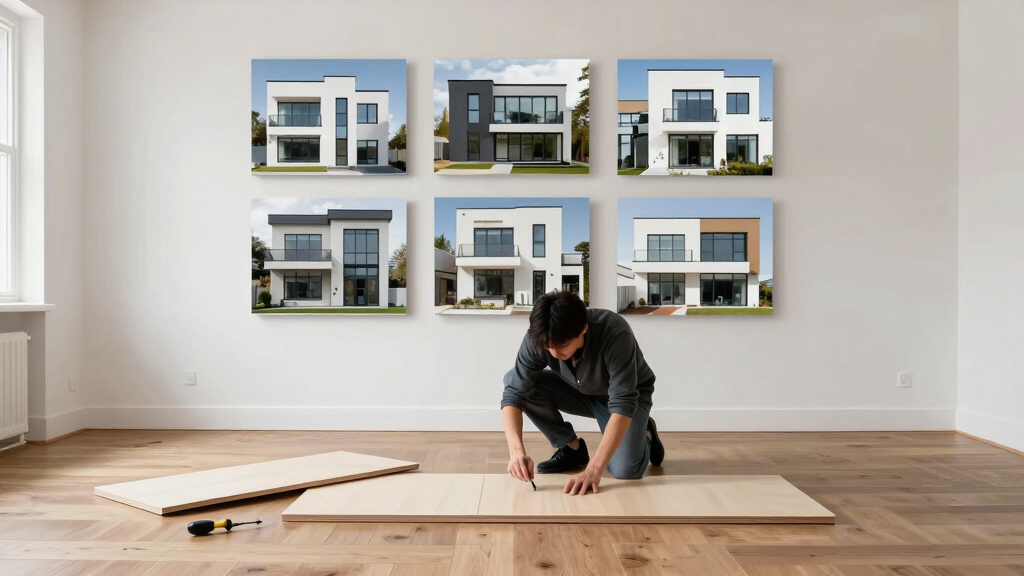
Six newly completed houses in Britain have introduced a contemporary architectural style that sharply contrasts with their surrounding traditional neighborhoods, highlighting a notable trend in UK residential design.
The six houses, located across different regions of Britain, feature modern materials, clean lines, and innovative forms that depart from the conventional styles of their neighboring properties. The developments were designed by various architectural firms and completed over the past year, with some receiving awards for their innovative approaches.
According to Dezeen, these homes exemplify a growing movement among architects and homeowners to incorporate contemporary aesthetics into established communities. The designs include bold geometric shapes, extensive use of glass, and sustainable building techniques, aiming to blend modernity with environmental considerations.
While specific details about each project’s design intent vary, all six homes share a common goal: to redefine local architectural language and challenge traditional notions of neighborhood cohesion.
Impact of Modern Homes on British Neighborhoods
This trend reflects evolving tastes and the influence of contemporary architecture in the UK, potentially shaping future residential developments. It raises questions about community identity, architectural diversity, and the acceptance of innovative design within historic or uniform neighborhoods. For residents and planners, these projects could signal a shift toward more diverse and sustainable housing options.
Products Worth Considering

Bose Lifestyle Ultra Wireless Home Speaker

Levoit Vital 100 Air Purifier for Home Bedroom

Roborock Q7 M5+ Robot Vacuum and Mop with Self-Emptying Dock
As an affiliate, we earn on qualifying purchases.
Historical and Current Architectural Trends in Britain
Traditional British neighborhoods often feature Victorian, Edwardian, or Georgian architecture, characterized by ornate facades and classic proportions. In recent years, there has been increasing interest in modern design, driven by a desire for sustainability, energy efficiency, and innovative aesthetics. The six homes exemplify this shift, representing a broader movement toward integrating contemporary architecture into established communities.
Previous developments have sometimes faced resistance from local residents, but recent projects suggest growing acceptance and even enthusiasm for architectural diversity. This evolution aligns with broader trends in UK housing policy emphasizing innovation and sustainability.
“These homes demonstrate how contemporary design can coexist with traditional neighborhoods, fostering architectural diversity.”
— an anonymous researcher
Community Response and Future Acceptance
It is not yet clear how local residents and planning authorities will respond to these modern designs over time, or whether this trend will continue to expand across other neighborhoods. Public opinion remains divided, with some welcoming architectural diversity and others preferring traditional aesthetics.
Next Steps for Architectural Innovation in Britain
Further projects are expected to follow, with developers and architects exploring how contemporary designs can be integrated into various community contexts. Monitoring community reactions and planning policies will be key to understanding whether this trend gains broader acceptance or faces resistance.
Key Questions
Are these modern homes approved by local authorities?
Yes, all six projects received planning approval, with some undergoing specific design reviews to accommodate their contemporary styles.
Will these homes affect property values in the area?
There is limited data, but some experts suggest that distinctive, modern homes can increase local property values by attracting interest and highlighting neighborhood diversity.
Are these designs sustainable or energy-efficient?
Many of the homes incorporate sustainable features such as solar panels, high-performance insulation, and environmentally friendly materials, reflecting a broader trend toward eco-conscious architecture.
Could this trend lead to more radical architectural changes in the UK?
It is possible, as architects and homeowners experiment with innovative forms and materials, but widespread adoption will depend on community acceptance and planning policies.
Source: Dezeen