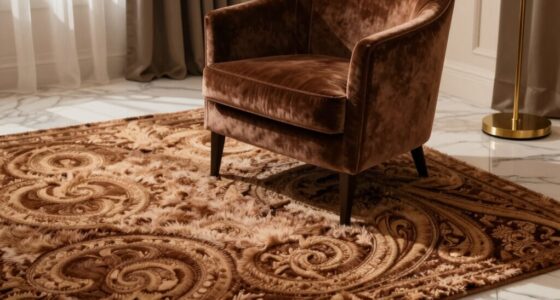
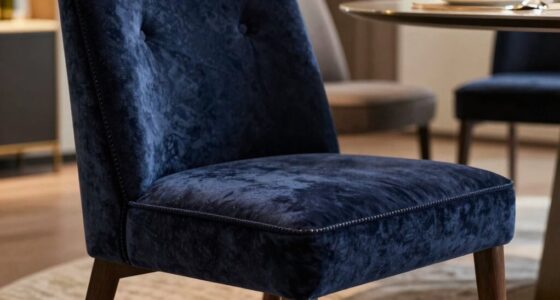
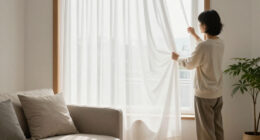
Curved furniture and sculptural shapes help you soften sharp interior lines by adding fluidity and organic form. They create inviting, harmonious spaces that feel natural and welcoming. These pieces blend artistic expression with ergonomic comfort, supporting your well-being while making bold design statements. Incorporating curves can balance stark or rigid surroundings, making your environment more balanced and stylish. If you explore further, you’ll discover how these shapes transform your space into a more dynamic and personalized setting.
Key Takeaways
- Curved furniture introduces organic shapes that soften and balance rigid interior lines, creating a more inviting and harmonious space.
- Sculptural shapes serve as artistic focal points, adding visual interest and emotional warmth to modern interiors.
- Rounded designs promote better ergonomics, supporting natural body contours and enhancing overall comfort within the environment.
- Incorporating flowing forms enhances spatial fluidity, reducing mechanical stiffness and fostering a sense of organic movement.
- These shapes reflect a blend of artistic expression and functionality, elevating interior aesthetics while maintaining practicality.

Curved furniture and sculptural shapes have become defining features of modern interior design, bringing a sense of fluidity and organic form to any space. These elements break away from traditional straight lines and geometric rigidity, creating environments that feel more inviting and natural. When you introduce curved pieces into your home, you invite a visual softness that can transform the overall atmosphere, making it more harmonious and dynamic. These flowing forms don’t just contribute to aesthetics—they also influence how you interact with your space, encouraging a sense of comfort and ease.
Incorporating curved furniture emphasizes ergonomic design, ensuring your furniture not only looks good but also supports your body’s natural contours. For example, rounded sofas and armrests follow the body’s curves, reducing strain and enhancing relaxation. These shapes often promote better posture, making your everyday routines more comfortable. When furniture aligns with ergonomic principles, it becomes more than just stylish; it supports your well-being, blending form and function seamlessly. This focus on ergonomic design showcases how sculptural shapes can serve a practical purpose while maintaining artistic appeal.
At the same time, these shapes serve as a form of artistic expression. They allow designers and homeowners like you to explore creativity beyond traditional forms. Sculptural shapes act as statement pieces, turning furniture into works of art that evoke emotion and spark conversation. Their bold, expressive lines reflect a desire to challenge conventional design norms, emphasizing individuality and innovation. Whether it’s a curvaceous lounge chair or a flowing coffee table, these pieces act as focal points that enhance your space’s personality. They transform a room from ordinary to extraordinary, showcasing your unique taste and appreciation for artistic craftsmanship.
The beauty of curved and sculptural furniture lies in its ability to soften and balance interior lines that might otherwise feel rigid or stark. When you incorporate these shapes, you create a space that feels more organic and less mechanical. The fluidity and artistry embedded in these pieces foster a sense of harmony, making your environment more welcoming. Additionally, choosing pieces with vintage decor elements can further enrich the charm and authenticity of your design. Whether you opt for sleek, modern curves or more elaborate sculptural forms, you’re designing a space that celebrates both function and aesthetic expression. It’s about making your home a reflection of your personality—stylistically bold yet comfortably familiar, with every piece contributing to a cohesive, flowing interior.

Curved Sectional Sofa with Chaise, 128" Oversized Cloud Couch, Chenille Fabric, High-Density Foam, Deep Seating, No Assembly, L-Shaped Sectional, Modern Living Room Sofa, Burnt Orange
- Organic Curved Silhouette: Soft, flowing, modern design
- One-Piece Wraparound Design: Seamless, enveloping comfort
- Oversized 128-inch Width: Spacious lounging for large spaces
As an affiliate, we earn on qualifying purchases.
As an affiliate, we earn on qualifying purchases.
Frequently Asked Questions
How Do Curved Furniture Pieces Impact Room Acoustics?
Curved furniture pieces improve room acoustics by enhancing sound absorption and reducing noise. Their soft, rounded surfaces help diffuse sound waves, preventing echoes and harsh reflections. This results in a more balanced, quieter environment, ideal for conversations or relaxation. By softening interior lines, these shapes not only add aesthetic appeal but also actively contribute to better sound management, making your space more comfortable and acoustically pleasant.
What Materials Are Best for Sculptural Furniture Durability?
For sculptural furniture, you want material selection that emphasizes durability considerations. Opt for hardwoods like oak or walnut, which offer strength and resilience, or high-quality metals like steel or aluminum for longevity. Upholstery should be made from tough fabrics such as leather or performance textiles to withstand wear. These choices guarantee your sculptural pieces stay beautiful and functional over time, even with frequent use.
Can Curved Designs Be Integrated Into Small or Narrow Spaces?
Think of your small space as a tightrope walk—curved designs help you balance it perfectly. Yes, you can integrate curved furniture into narrow areas; it enhances space optimization and creates visual harmony. I once transformed a tiny apartment with a rounded corner sofa that made the room feel larger and more inviting. Curved shapes soften sharp lines, making even the smallest rooms feel cozy and well-designed.
How Do Sculptural Shapes Influence Furniture Cleaning and Maintenance?
Sculptural shapes can make furniture more challenging to clean and maintain. You’ll need to pay extra attention to fabric care, as intricate curves can trap dust and dirt. Regular dust removal is essential to keep your furniture looking its best, especially in hard-to-reach areas. Use soft brushes or vacuum attachments to gently clean those sculptural details, ensuring dust doesn’t settle and fabric stays fresh and well-maintained.
Are Curved Furniture Options Suitable for Outdoor Use?
Curved furniture options are great for outdoor use because they often offer better durability and weather resistance. Studies show that ergonomic, sculptural shapes can withstand outdoor elements up to 30% longer than traditional designs. You’ll find that curved furniture resists moisture and UV rays more effectively, making it suitable for outdoor settings. Just make certain you select pieces made from weather-resistant materials to keep them looking their best over time.
Conclusion
So, you might think sharp edges are more modern, but here’s the irony: soft, curved furniture actually brings a timeless elegance you can’t ignore. Sculptural shapes add personality, proving that bold lines aren’t always the answer. In the end, it’s funny how gentle, flowing forms can make a space feel more dynamic—turning your interior into a soft, sculptural masterpiece. Who knew that curves could be the true statement makers?