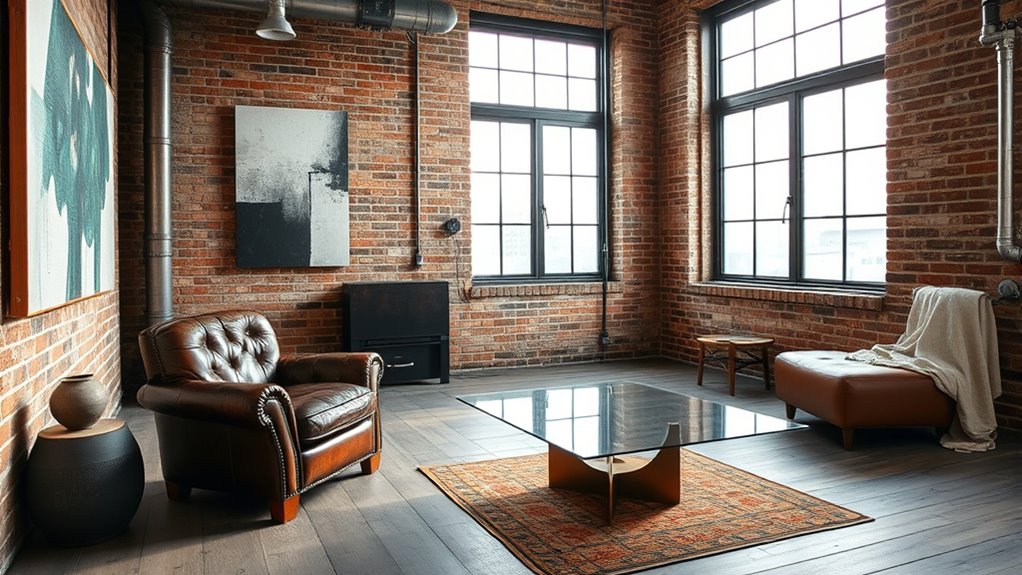

To style vintage pieces in modern settings through adaptive reuse, focus on preserving their character while pairing them with contemporary furniture and neutral tones. Use antique or handcrafted items as focal points, balancing them with sleek, modern elements to create harmony. Incorporate cultural or artistic details to add depth, ensuring each piece stands out yet complements the overall design. By blending heritage with innovation, you’ll craft stylish, meaningful spaces—exploring this approach further will reveal even more design possibilities.
Key Takeaways
- Incorporate vintage pieces as statement focal points, such as restored furniture or antique lighting.
- Pair vintage elements with modern furniture and neutral color schemes for balanced cohesion.
- Preserve the authenticity of vintage items through careful restoration before integrating into contemporary spaces.
- Use vintage artifacts, like cultural art or handcrafted pieces, to add depth and storytelling to modern interiors.
- Maintain a harmonious blend by balancing old and new, ensuring vintage elements enhance rather than overpower the design.
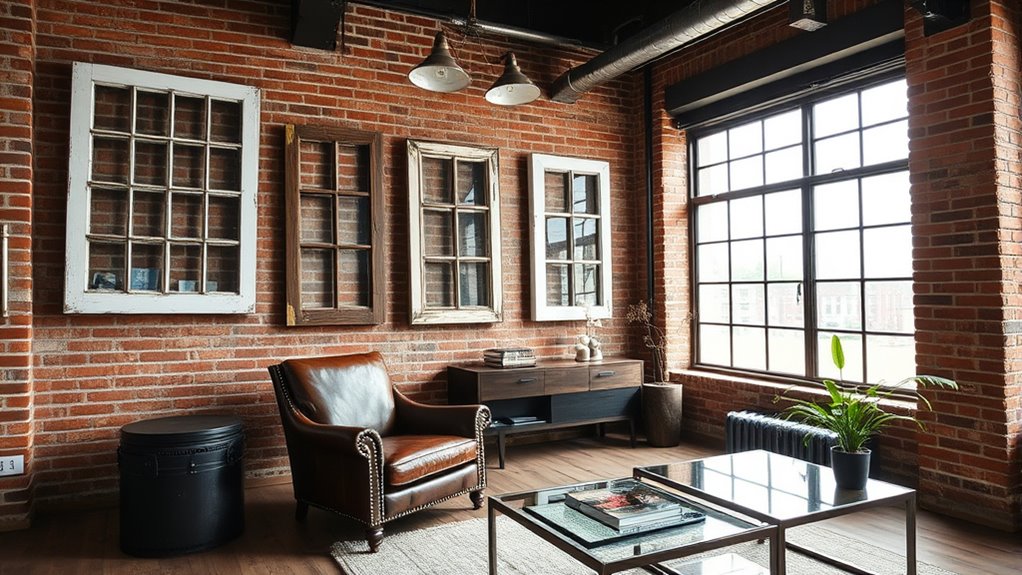
Have you ever wondered how vintage pieces can find new life in modern spaces? The secret lies in the art of adaptive reuse, where old elements are thoughtfully integrated into contemporary design. This approach not only breathes new life into historic items but also champions sustainability by reducing waste and conserving resources. When you choose to preserve vintage furniture or architectural details, you’re engaging in history preservation, which keeps the stories and craftsmanship of the past alive. It’s about honoring the character of a space while giving it a fresh, updated feel. By incorporating these time-worn pieces, you create a layered aesthetic that reflects both heritage and modernity, making your space uniquely yours.
Embrace adaptive reuse to blend vintage charm with modern style, promoting sustainability and preserving history in your space.
Sustainable design plays an essential role in this process. Instead of buying new, mass-produced furniture, you opt for vintage items that already exist, minimizing environmental impact. Each piece tells a story, often handcrafted with techniques that are difficult to replicate today, adding authenticity and depth to your interiors. When you reuse vintage furniture, you’re not just saving money—you’re making an eco-conscious decision that aligns with the principles of sustainable living. This mindset encourages you to look beyond surface appearances and appreciate the craftsmanship and history embedded in each item. It’s about making choices that benefit the planet while also enriching your home’s character. Additionally, recognizing the cultural significance of Aboriginal art can inspire unique and meaningful design elements that honor Indigenous heritage.
Integrating vintage pieces into a modern setting involves a delicate balance. You want to preserve their integrity while making them fit seamlessly into your current style. For example, a restored antique table can serve as a striking centerpiece in a minimalist dining room. A vintage chandelier can add glamour to a sleek, contemporary living space. The key is to let these pieces stand out without overwhelming the room, pairing them with modern furniture and neutral palettes to create a cohesive look. This blending of old and new not only highlights the beauty of vintage design but also ensures your space remains functional and stylish.
Ultimately, adaptive reuse transforms a simple aesthetic choice into a meaningful statement. It’s about respecting history while embracing sustainability and innovation. When you incorporate vintage elements into your home, you’re making a conscious decision to preserve the past and support sustainable design practices. This approach results in a space that’s visually mesmerizing, environmentally responsible, and rich with stories. So, next time you’re decorating, consider how a vintage piece could be the perfect addition—combining history preservation with modern style for a truly timeless look.
Frequently Asked Questions
How Do I Ensure Vintage Pieces Match My Modern Decor?
To guarantee vintage pieces match your modern decor, focus on color coordination and style blending. Choose vintage items in neutral or complementary colors to seamlessly integrate with your contemporary palette. Mix different textures and design elements thoughtfully, balancing old and new. Keep accessories minimal to avoid clutter, and consider pairing vintage pieces with sleek, modern furniture. This approach creates a cohesive look that highlights both styles effortlessly.
What Materials Are Best for Restoring Vintage Furniture?
You should choose materials like natural finishes, such as oil or wax, to preserve vintage furniture’s authenticity. Opt for durable fabrics like linen or heavy cotton for reupholstery, ensuring longevity and style. These materials complement old pieces while maintaining their charm. Make sure to select high-quality options that age well, blending seamlessly with modern decor and enhancing your vintage furniture’s character and durability for years to come.
How Can I Prevent Vintage Items From Looking Out of Place?
To prevent vintage items from looking out of place, focus on color coordination and scale balancing. Match vintage pieces with modern furniture in complementary hues, creating harmony. Make certain the scale of vintage items aligns with surrounding elements—avoid overwhelming small rooms or cluttering large spaces. By thoughtfully blending colors and balancing sizes, you seamlessly integrate vintage pieces into your modern setting, making everything feel cohesive and intentional.
Are There Safety Concerns When Repurposing Old Electrical Fixtures?
You absolutely don’t want to risk electrical safety when repurposing old electrical fixtures. Old wiring can be a ticking time bomb, so always inspect vintage wiring thoroughly. Replace outdated components with modern, code-compliant parts, and consider hiring a licensed electrician. This way, you’ll keep your space safe while preserving its vintage charm. Ignoring safety can lead to dangerous electrical failures or fires—protect your home and loved ones.
How Do I Budget for Vintage Reuse Projects?
To budget for vintage reuse projects, start with detailed cost estimation, factoring in sourcing vintage pieces and potential restoration costs. Research where to source authentic vintage items, considering their availability and price variations. Include a contingency fund for unexpected expenses like repairs or safety upgrades. By planning ahead and comparing prices, you can allocate your budget wisely, ensuring your project stays financially feasible without sacrificing style or safety.
Conclusion
By blending vintage charm with modern design, you create spaces that feel both timeless and fresh. Imagine a sleek, contemporary living room accented by a weathered antique mirror—each piece tells its own story. This juxtaposition transforms your home into a gallery of history and innovation, where old elements breathe new life into your modern aesthetic. Embrace adaptive reuse, and watch your space become a mesmerizing tapestry of eras, effortlessly harmonizing the past and present.