![10 Things To Do For This Saturday in L.A. [7-4-2026]](https://decadentinteriors.com/wp-content/uploads/2026/07/10-things-to-do-for-this-saturday-in-l-a-7-4-2026-featured-200x110.jpg)
TL;DR

Get furniture and decor delivered free — and shop member deals
- Fast, free delivery on millions of items
- Access to Prime Big Deal Days deals on October 6–7
- Prime Video, Amazon Music and more included
A 1970s bathroom with all-wood paneling was renovated into an Americana folk style by homeowner-architect couple Lauren and Richard. The project included custom-built fixtures and hand-designed tile flooring, blending vintage charm with modern accessibility features.
A 1970s bathroom with all-wood paneling has been renovated into an Americana folk style by a couple of professional architects, Lauren Famularo and Richard Abendroth. The project highlights a blend of vintage charm and modern functionality, emphasizing custom design and sustainable choices. This transformation demonstrates how historical features can be preserved and reimagined to suit contemporary tastes and needs.
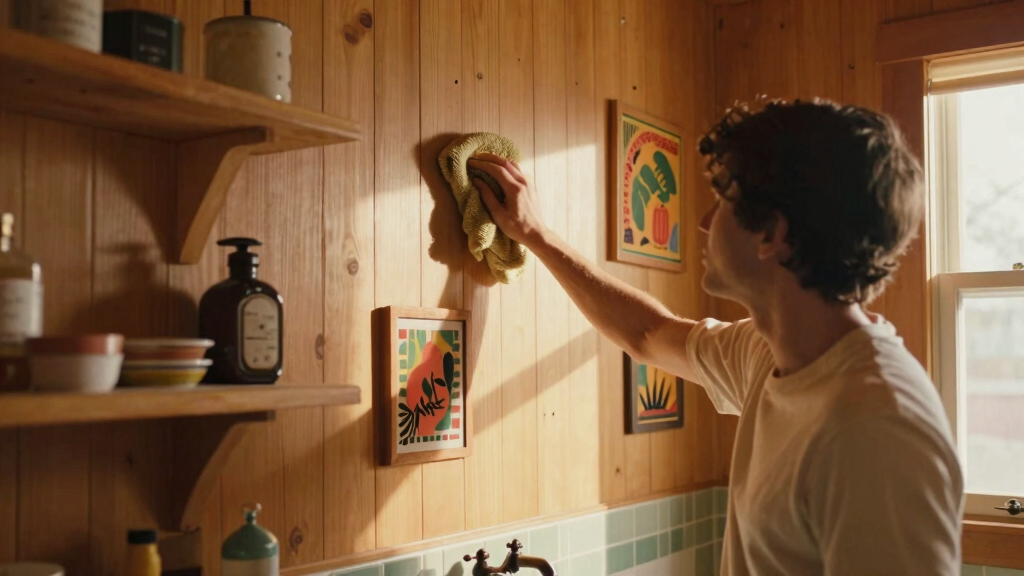
Lauren and Richard, both architects, purchased a home featuring a bathroom with distinctive wood-paneled walls, chevron ceiling, and dark-stained vanity, all characteristic of the 1970s. The bathroom was connected to their primary bedroom, making it awkward for guests and limiting accessibility. The couple decided to undertake a complete renovation, focusing on preserving the vintage aesthetic while updating it for modern use.
The renovation process spanned over a year, during which they designed and built most elements themselves, including a custom sliding medicine cabinet and a unique tile floor. The floor features a hand-designed, quilt-patterned ceramic tile layout using Fireclay Tile’s triangle pieces in earthy shades, installed individually to create a seamless, folk-inspired pattern. The project cost approximately $5,500 in materials, with most labor performed by Richard and Lauren.
Additional updates included removing the original paneling, which was painted white, and creating an accessible, threshold-free shower that maintains the aesthetic harmony of the space. The couple aimed for a look that felt authentic to Americana folk traditions, using natural materials and handcrafted details to achieve this goal.
Reviving Vintage Charm with Modern Craftsmanship
This renovation exemplifies how historic architectural features can be preserved and revitalized through thoughtful design. It demonstrates that vintage elements like wood paneling can be integrated into contemporary spaces, adding character and warmth. The project also highlights the potential for homeowners to undertake detailed DIY renovations, reducing costs and customizing their spaces to fit personal style and functional needs.
For readers, this story offers inspiration for updating older homes while respecting their original character, especially for those interested in blending traditional aesthetics with modern accessibility and sustainability.
As an affiliate, we earn on qualifying purchases.
The 1970s Bathroom and Its Architectural Significance
The bathroom, with its all-wood paneling, chevron ceiling, and dark-stained vanity, reflects typical design trends of the 1970s, characterized by natural wood finishes and bold patterns. Such features were common in suburban homes of that era, often emphasizing a cozy, rustic feel. Over time, these spaces became outdated, prompting homeowners like Lauren and Richard to seek renovation options that honor the original design while updating functionality and style.
This project fits into a broader trend of vintage home preservation, where homeowners aim to maintain architectural integrity while adapting spaces for modern living. The couple’s approach, combining DIY craftsmanship with professional guidance, exemplifies a growing DIY movement among homeowners with renovation experience.
“We wanted to keep the vintage feel but make it more functional and accessible for everyone, especially our guests and family.”
— Lauren Famularo
Remaining Questions About Future Maintenance and Design Choices
It is not yet clear how the renovated space will perform over time, particularly regarding the durability of the hand-designed tile flooring and the long-term functionality of the custom-built fixtures. Additionally, the couple has not disclosed whether they plan further updates or if the current design will be preserved long-term.
Details about the specific challenges faced during installation and the exact timeline of the project are still emerging, and future maintenance needs remain to be seen.
Upcoming Maintenance and Potential Future Renovations
The couple plans to monitor the space’s performance and may undertake additional updates to enhance durability or aesthetic details. They also intend to share more insights into the ongoing upkeep and any adjustments needed to maintain the space’s functionality and style. Further, they might explore similar renovations in other parts of their home, inspired by this project’s success.
Key Questions
What inspired the Americana folk style for this bathroom?
Lauren and Richard aimed to create a space that felt authentic to traditional Americana folk aesthetics, emphasizing natural materials, handcrafted elements, and a subdued earthy color palette.
How did they manage the renovation costs?
The couple saved for over a year, used their professional discounts, and performed most of the labor themselves, spending around $5,500 on materials.
What features make the bathroom accessible and functional?
The renovation included a threshold-free shower, a custom-built sliding medicine cabinet, and carefully designed tile flooring that is non-slip and waterproof.
Will the original wood paneling be preserved?
Yes, the couple retained and painted the original paneling white, integrating it into the new design while updating the overall aesthetic.
Are there plans for further updates or renovations?
They plan to monitor the space’s performance and may undertake additional updates based on durability and style preferences, but no specific future projects have been announced yet.
Source: Apartment Therapy
Fall Picks
fall essentials
As an affiliate, we earn on qualifying purchases.