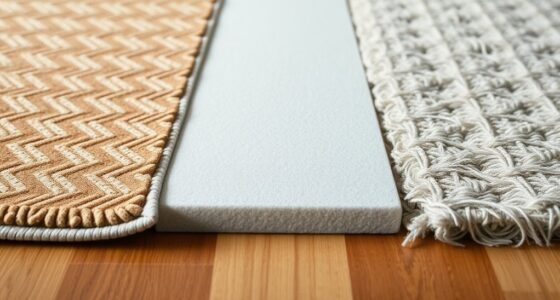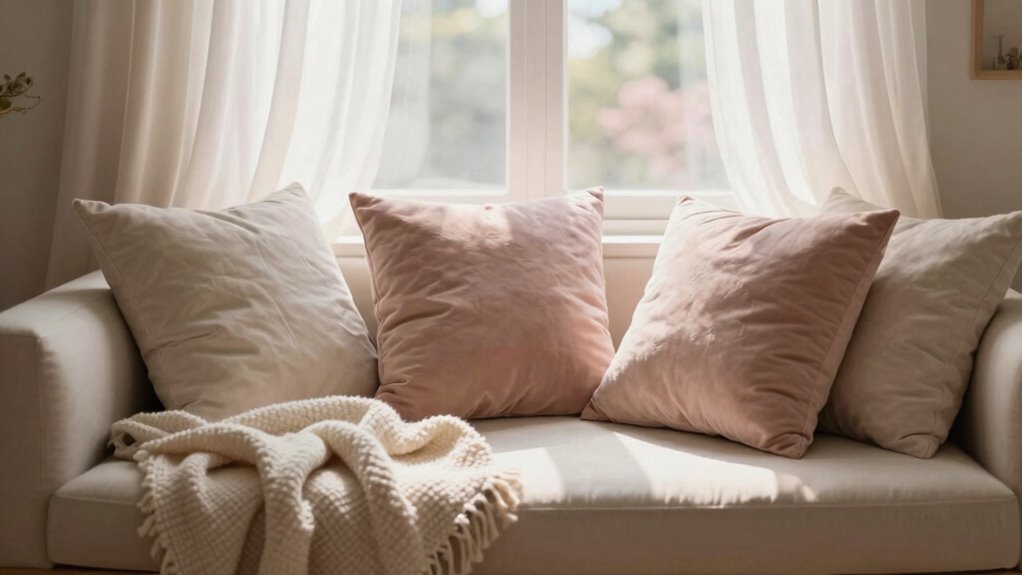

Choosing visual softness in design isn’t just about looks — it actively supports your mental health by creating calming spaces that reduce stress and promote emotional stability. Soft colors, textures, and natural elements help you stay present, relax, and feel safe. These features foster resilience and overall well-being by making environments feel inviting and soothing. If you keep exploring, you’ll discover ways to turn calming visuals into powerful wellness tools that transform your space and mood.

Get furniture and decor delivered free — and shop member deals
- Fast, free delivery on millions of items
- Access to Prime Big Deal Days deals on October 6–7
- Prime Video, Amazon Music and more included
Key Takeaways
- Visual softness promotes calmness and emotional stability, actively supporting mental health beyond aesthetic appeal.
- Gentle visuals reduce overstimulation, helping to lower stress levels and enhance relaxation.
- Soft textures and muted tones foster mindfulness, improving focus and emotional resilience.
- Designing spaces with visual softness creates restorative environments that enhance overall well-being.
- Prioritizing gentle visuals encourages healthier environments that support long-term emotional comfort and stability.
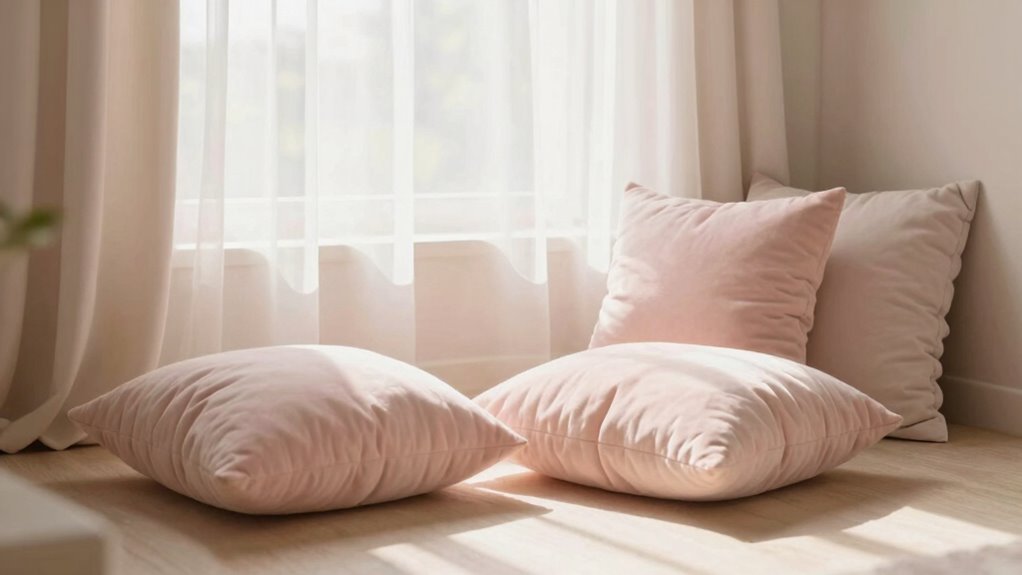
In today’s fast-paced world, visual softness isn’t just about aesthetics—it plays a crucial role in your overall well-being. When you surround yourself with gentle, soft visuals, you create an environment that promotes calmness and stability. It’s not just a design trend; it’s a deliberate choice rooted in understanding how your surroundings influence your mental health. Color psychology helps explain this connection. Soft, muted tones evoke feelings of tranquility and safety, reducing stress levels and helping you feel more grounded. These colors don’t just look pleasing—they foster emotional comfort, making your space a retreat from daily chaos.
When your environment incorporates visual softness, you’re subconsciously encouraged to relax. Sharp lines, bold contrasts, and overly bright colors can sometimes trigger overstimulation, making it harder to unwind. Conversely, soft textures and gentle hues create a visual rhythm that soothes your mind. The subtle interplay of light and color invites your brain to settle, lowering cortisol levels and promoting a sense of peace. This isn’t just about style; it’s about designing spaces that support your emotional resilience. When you walk into a room that feels calm and inviting, you’re more likely to breathe deeply, reset your nerves, and find clarity amid stress.
You might notice that environments with visual softness also encourage mindfulness. When your visual field is gentle and harmonious, it’s easier to stay present. You’re less distracted by chaos and more focused on the moment. This focus on simplicity and calm can improve your mood and even your sleep quality. Soft visuals act as a natural buffer against anxiety, providing emotional comfort that’s both immediate and long-lasting. They serve as a reminder that your surroundings don’t have to be loud or intense to be beautiful—they can be soothing and restorative, supporting your mental health day after day. Recognizing how environmental design influences well-being can guide you in creating spaces that nurture peace and stability. Incorporating biodiversity into your environment can enhance these calming effects by connecting you with natural elements that promote relaxation and emotional health. Additionally, paying attention to visual softness in your surroundings can help reinforce a sense of safety and comfort that benefits your overall wellness. Understanding the connection between color psychology and emotional health can empower you to select the most beneficial hues for your space.
Ultimately, choosing visual softness isn’t just about creating a pretty space; it’s a wellness strategy. By prioritizing gentle colors, textures, and forms, you’re actively nurturing your emotional well-being. It’s a way to craft environments that invite relaxation, foster emotional comfort, and promote overall health. When you recognize the impact of visual softness, you empower yourself to design spaces that do more than look good—they make you feel good, too. That’s what makes it a vital feature of wellness, not just a stylistic preference.
As an affiliate, we earn on qualifying purchases.
Frequently Asked Questions
How Does Visual Softness Affect Mental Health?
Visual softness improves your mental health by providing emotional comfort and promoting aesthetic harmony. When you surround yourself with soft, gentle visuals, you naturally feel calmer and less stressed. This soothing environment reduces anxiety and helps you relax more easily. By creating spaces with soft lines and muted tones, you support your emotional well-being and foster a sense of peace, making everyday life feel more balanced and comforting.
Can Visual Softness Improve Focus and Concentration?
Research suggests that visual softness can boost your focus and concentration by calming your sensory perception. Soft, muted colors aligned with color psychology reduce visual noise, helping you stay engaged without feeling overwhelmed. This gentle visual environment minimizes distractions, allowing your mind to settle and concentrate more effectively. By creating a soothing visual space, you can improve your mental clarity and productivity, making soft visuals a practical tool for enhanced focus.
What Materials Are Best for Achieving Visual Softness?
You should choose materials with subtle texture contrast, like soft fabrics, matte finishes, or plush surfaces, to achieve visual softness. These materials create a gentle, calming appearance that promotes wellness. While prioritizing softness, also consider material durability, ensuring your selections withstand daily use without compromising comfort. Combining soft textures with durable materials results in a relaxing, lasting environment that enhances focus and reduces stress effectively.
Is Visual Softness Suitable for All Interior Spaces?
Visual softness is versatile enough for all interior spaces, like a gentle breeze that touches every corner. You can soften any room with calming color palettes and rounded furniture shapes, creating a cozy, inviting atmosphere. Whether in a bustling kitchen or a tranquil bedroom, this design approach promotes relaxation and wellness. Embracing visual softness helps you craft spaces that soothe the mind and comfort the soul, no matter the setting.
How Does Visual Softness Influence Sleep Quality?
Visual softness can improve your sleep quality by calming your mind, thanks to soothing color harmony and gentle textures. When your space features soft, harmonious hues and subtle texture contrasts, it reduces visual stress, helping you relax more easily. This creates a tranquil environment that promotes deeper, more restorative sleep. By intentionally integrating softness into your decor, you support your overall wellness and wake up feeling more refreshed.
Conclusion
Embracing visual softness isn’t just about style—it’s a gentle reminder to prioritize your well-being. When your surroundings feel calm and inviting, it’s easier to relax and find balance in everyday life. Think of it as giving yourself a quiet space to breathe and unwind. So, next time you choose softer visuals, remember you’re nurturing your mind and body, creating a little sanctuary where peace can quietly flourish. Your wellness journey starts with these gentle, mindful choices.
Fall Picks
fall essentials
As an affiliate, we earn on qualifying purchases.