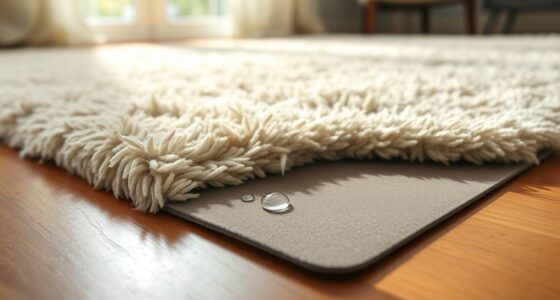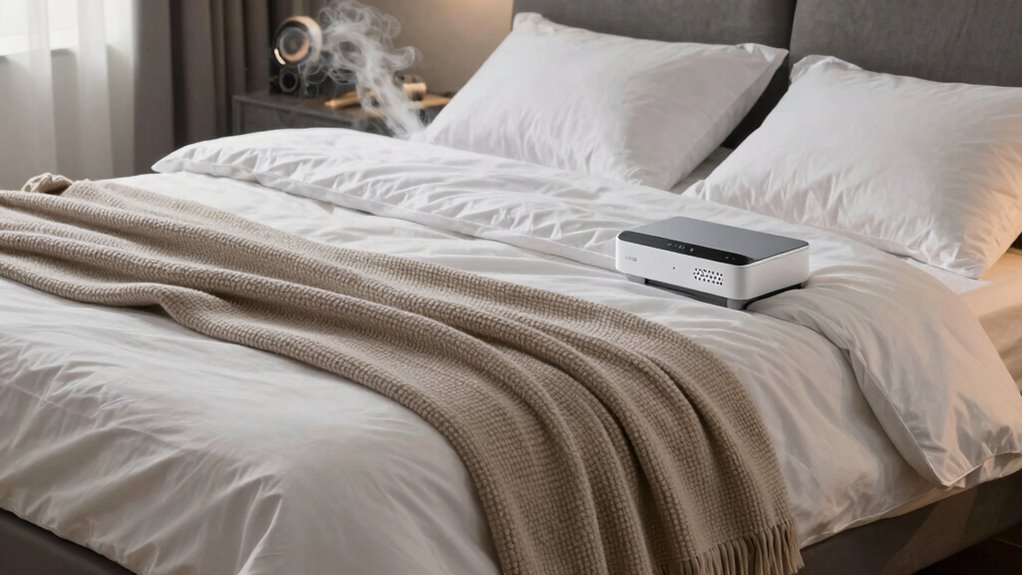

Using cooling systems and heated layers helps you maintain a comfortable sleep environment year-round, regardless of seasonal changes. Cooling devices like smart thermostats and portable air conditioners keep your room within the ideal 60-67°F range, reducing sweating and overheating. Heated layers, such as electric blankets and mattress pads, provide targeted warmth during colder months without raising overall room temperature. Mastering these tools can lead to deeper, more restorative sleep—discover how to optimize your setup for all seasons.

Get furniture and decor delivered free — and shop member deals
- Fast, free delivery on millions of items
- Access to Prime Big Deal Days deals on October 6–7
- Prime Video, Amazon Music and more included
Key Takeaways
- Cooling systems maintain a comfortable ambient temperature, preventing overheating and promoting deeper, uninterrupted sleep throughout the year.
- Heated layers provide targeted warmth during cold months, ensuring consistent sleep comfort without raising room temperature.
- Smart climate control devices enable precise adjustments, optimizing environmental conditions for seasonal variations.
- Combining cooling and heating solutions helps regulate core and surface temperatures, reducing restlessness and sleep disruptions.
- Proper temperature management supports longer, restorative sleep cycles regardless of seasonal changes.

Getting a good night’s sleep often depends on maintaining the right temperature, and modern cooling systems and heated layers can make a significant difference. Your sleep environment plays a vital role in how well you rest, and temperature regulation is at the heart of creating that ideal setting. When your room is too hot or too cold, your body struggles to find comfort, leading to restless nights and disrupted sleep cycles. By using advanced cooling systems, you can keep your bedroom at a consistently comfortable temperature, no matter the season. These systems can quickly lower the ambient temperature during hot summer nights, preventing overheating and sweating that wake you up. Conversely, heated layers, like electric blankets or heated mattress pads, help retain warmth during chilly winter months. They allow you to customize your comfort level without overheating the entire room, which is especially helpful if your partner prefers a different temperature.
The key to better sleep is controlling your immediate environment, and that’s where temperature regulation becomes essential. Modern cooling devices, like smart thermostats and portable air conditioners, give you precise control over your sleep environment. You can set your bedroom to a cooler temperature when you’re falling asleep and gradually warm it up if needed. Likewise, heated layers provide a gentle, direct source of warmth that responds to your needs, ensuring you don’t wake up feeling cold or shivering. These layers can be used in tandem with cooling systems to create a balanced atmosphere, where your body can shift smoothly from cool to warm as the night progresses. Additionally, understanding how temperature regulation impacts sleep can help you optimize your setup for maximum comfort. Proper environmental control can also help prevent overheating or excessive cooling, contributing to uninterrupted rest. Implementing sleep-friendly temperature management strategies can further enhance your overall sleep quality.
Investing in temperature regulation tools isn’t just about comfort; it’s about improving your overall sleep quality. When your sleep environment stays within an ideal temperature range—usually around 60-67°F (15-19°C)—your body can better regulate its internal temperature, promoting deeper REM sleep. Cooler environments help reduce sweating and restlessness, while heated layers prevent your core temperature from dropping too low. This balance supports longer, more restorative sleep cycles, leaving you refreshed in the morning. Whether you prefer the cool air of a well-ventilated room or the cozy warmth of heated bedding, these systems give you the control needed for a restful night, all year round.
As an affiliate, we earn on qualifying purchases.
Frequently Asked Questions
How Do Cooling Systems Affect Allergy Sufferers?
Cooling systems can improve your sleep as an allergy sufferer by enhancing air quality and allergen control. They filter out dust, pollen, and other airborne irritants, reducing allergy symptoms. Many systems also regulate humidity levels, preventing mold growth and dust mite proliferation. By maintaining a cleaner, drier environment, cooling systems help you breathe easier and sleep more comfortably year-round, especially if you’re sensitive to common allergens.
Are Heated Layers Suitable for All Sleep Positions?
Heated layers are generally suitable for most sleep postures because they allow you to adapt your temperature comfortably. If you’re a side sleeper, a heated layer can provide targeted warmth without overheating, while back or stomach sleepers can enjoy consistent warmth that supports temperature adaptation throughout the night. However, make certain the heated layer isn’t too bulky or restrictive, so your sleep posture remains comfortable and natural.
Can Cooling and Heating Systems Be Used Together?
Think of your sleep environment as a symphony, where cooling and heating systems harmonize perfectly. Yes, you can use them together, orchestrated through smart thermostats that balance temperatures seamlessly. This duo creates a cozy oasis without wasting energy, supporting sustainable energy goals. By fine-tuning your room’s climate, you guarantee restful sleep regardless of the season, all while embracing smarter, eco-friendly living.
What Energy Costs Are Associated With Temperature Regulation Devices?
Energy costs for temperature regulation devices vary based on their energy consumption and efficiency. You might see higher costs with older or less efficient models, while newer systems often offer better cost efficiency. To save, consider setting thermostats wisely and maintaining devices regularly. By choosing energy-efficient cooling and heating options, you can keep your energy expenses manageable while enjoying comfortable temperatures all year.
How Do These Systems Impact Sleep Quality Over Time?
Cooling systems and heated layers can markedly enhance your sleep quality over time by promoting consistent sleep. They help minimize temperature fluctuations that often disrupt sleep cycles, leading to deeper, more restorative rest. A steady, comfortable environment encourages sleep consistency, which is essential for overall health. Over time, this consistency reduces wakefulness during the night, improves sleep efficiency, and supports your body’s natural rhythms, making restful sleep more achievable year-round.
Conclusion
By using cooling systems and heated layers, you can greatly improve your sleep quality year-round. In fact, studies show that maintaining an ideal sleep temperature can boost sleep efficiency by up to 25%. So, don’t overlook the power of the right climate control—your body will thank you. With the right setup, you’ll wake up feeling more refreshed, energized, and ready to take on the day. Sleep smarter, not harder!
Halloween Picks
halloween
As an affiliate, we earn on qualifying purchases.