
To tell if a rug is workshop-made instead of tribal, look for uniform colors, tight and consistent knot density, and perfectly symmetrical designs. Workshop rugs often have flawless finishes, sewn or added fringes, and a stiff backing. Tribal rugs, on the other hand, showcase slight color variations, irregular weaving, and small imperfections that add character. Pay attention to these details, and if you keep exploring, you’ll uncover even more ways to spot authentic craftsmanship.
Key Takeaways
- Check for uniform color; natural tribal rugs have subtle hue variations, while workshop-made rugs are consistently colored.
- Examine knot density; handcrafted rugs have irregular knot tightness and density, unlike the uniform knots in factory-made rugs.
- Look for design imperfections; tribal rugs feature slight irregularities and culturally significant motifs, whereas workshop rugs are overly perfect.
- Inspect the backing; handwoven tribal rugs have uneven patterns and organic backing, while machine-made rugs show regular stitching and synthetic backing.
- Search for factory tags or markings on the back, indicating mass production rather than handmade craftsmanship.
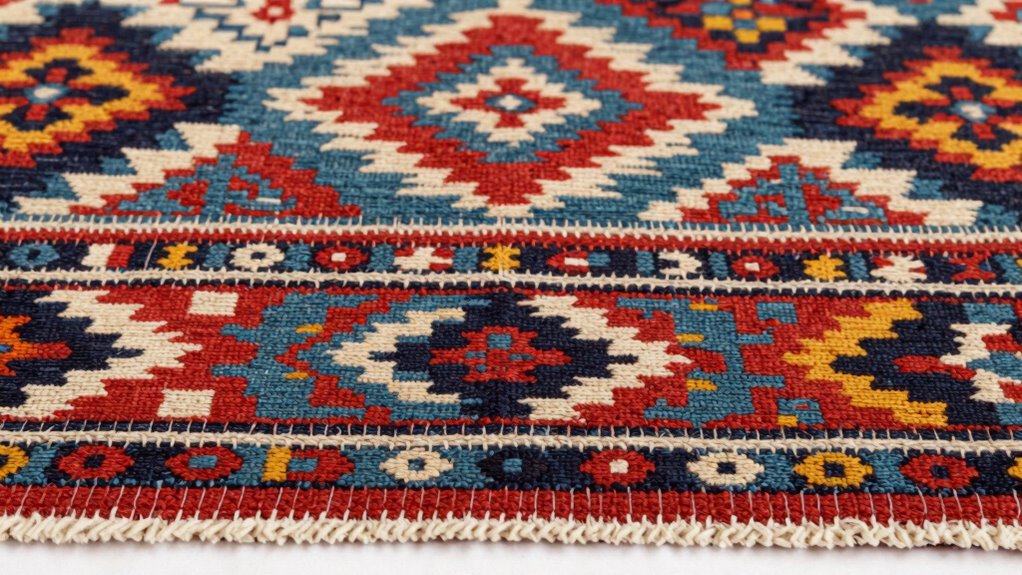
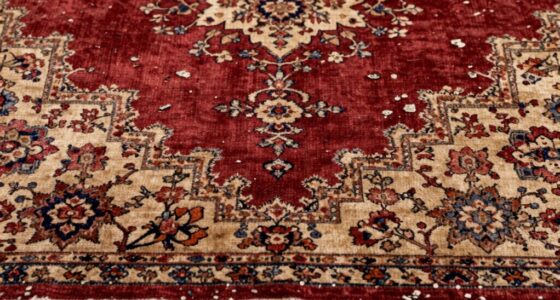
When you’re trying to determine whether a rug is workshop-made or genuinely tribal, paying close attention to the details can make all the difference. One of the first things to examine is the color consistency across the rug. Tribal rugs tend to have slight variations in color because they’re woven by hand, often using natural dyes that can change slightly from batch to batch. If you notice subtle shifts in hue or uneven saturation, it’s a good sign the rug is authentic. Conversely, workshop-made rugs often display uniform color throughout, as they’re typically produced with synthetic dyes or processed dyes that ensure consistency. This uniformity gives the rug a more manufactured look, lacking the organic imperfections of tribal pieces.
Authentic tribal rugs show subtle color variations from natural dyes, unlike the uniform hues of workshop-made pieces.
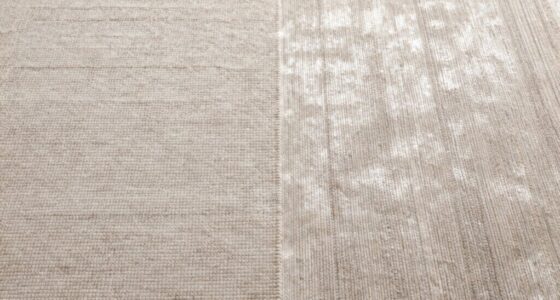
Another key indicator is knot density, which refers to how tightly the individual knots are woven into the foundation. In genuine tribal rugs, knot density varies slightly from section to section, since each knot is tied by hand and the weaver’s technique influences the overall tightness. You might see some areas with denser knots and others a bit looser, adding to the rug’s character and authenticity. Workshop-made rugs, on the other hand, often have an even, machine-like knot density. Because they’re produced with automated processes, the knots tend to be uniformly packed, resulting in a very consistent but less organic appearance. When inspecting, run your fingers along the back of the rug—if the knots feel remarkably uniform and tight across the entire piece, it’s likely mass-produced.
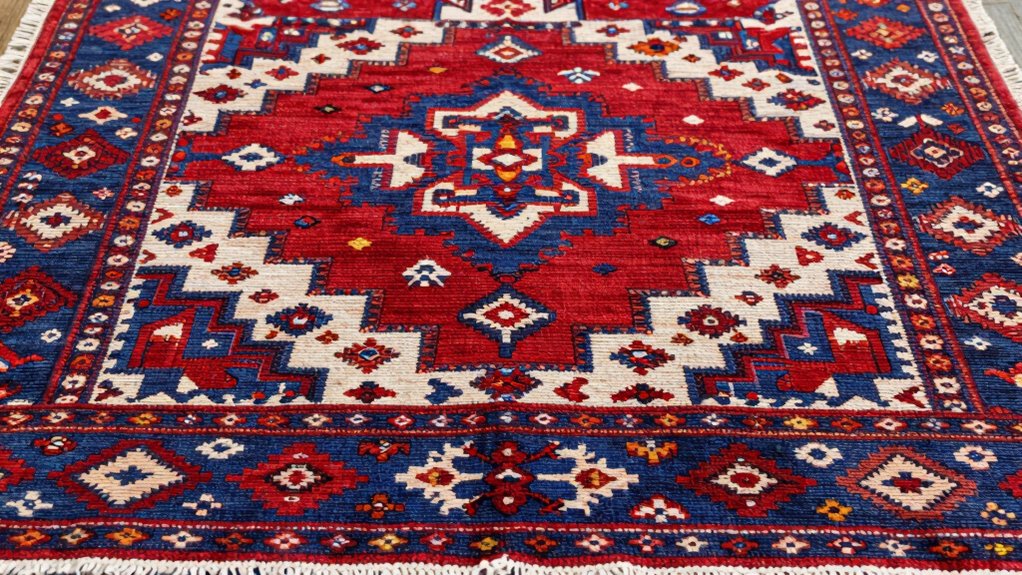
Besides color consistency and knot density, look at the overall design and craftsmanship. Tribal rugs usually feature motifs that are symbolic or culturally significant, with slight imperfections that reflect their handmade nature. Workshop rugs might display overly perfect patterns and edges, lacking the small irregularities that mark handcrafted work. The fringes can also offer clues: tribal rugs often have fringes that are an integral part of the foundation, while workshop rugs might have fringes sewn on or attached separately. Additionally, genuine tribal rugs often incorporate natural dyes, which can subtly fade or change over time, unlike synthetic dyes used in many workshop pieces. Examining weaving technique closely can reveal important details—handwoven rugs might show irregular or slightly uneven weaving patterns, whereas machine-made ones tend to be perfectly uniform. A manufacturing process that involves automation often leaves behind visible machine marks or consistent stitching that differs from the organic touch of handcrafted work. Furthermore, the presence of factory markings or tags can sometimes indicate a workshop origin, especially if they are found on the back or underside of the rug. A careful look at the backing material can also provide clues, as handmade rugs often have a more natural or woven backing compared to the stiff or synthetic backing of factory-made rugs.
In short, your keen eye for subtle differences in color, knot density, and craftsmanship will help you distinguish between a workshop-made rug and a genuine tribal piece. The small imperfections and natural variations in authentic tribal rugs are what give them their unique charm, while the uniformity and precision of workshop-made rugs often reveal their factory origins.
As an affiliate, we earn on qualifying purchases.
Frequently Asked Questions
Are Workshop-Made Rugs More Durable Than Tribal Rugs?
Workshop-made rugs tend to be more durable than tribal rugs because of material consistency and advanced manufacturing techniques. In workshops, manufacturers select high-quality, uniform materials that guarantee longevity. Plus, modern manufacturing techniques, like machine weaving and reinforced stitching, enhance durability. Tribal rugs, often handmade with traditional methods, may lack uniformity and sometimes use softer or less durable materials, making them less resistant to wear over time.
Can I Identify a Workshop-Made Rug by Its Price?
Think of a workshop-made rug’s price like a supermarket brand—more affordable due to mass production—while tribal rugs are like artisanal crafts, often pricier. You can often identify a workshop-made rug by its lower price compared to authentic tribal rugs. However, authenticity markers like uniformity in design, machine-made edges, and consistent pile height also reveal if a rug is workshop-created, regardless of price.
Do Workshop-Made Rugs Have Unique Patterns?
Workshop-made rugs typically lack the unique, intricate patterns seen in tribal pieces. They often feature pattern consistency, with repeated designs and perfect symmetry, reflecting machine precision. Look for signature marks or uniform stitching that indicate mass production. Tribal rugs usually display irregularities, handcrafted details, and cultural motifs. Spotting these differences helps you identify whether a rug is workshop-made or tribal, aiding your buying decision.
How Long Does It Take to Produce a Workshop-Made Rug?
It typically takes a few days to several weeks to produce a workshop-made rug, depending on its size and complexity. During the manufacturing process, skilled artisans use traditional techniques like knotting and weaving, which can be time-consuming but guarantee quality. These artisan techniques involve careful attention to detail, making each rug unique. The duration reflects the craftsmanship and meticulous work that goes into creating a high-quality, workshop-made piece.
Are Workshop-Made Rugs Eco-Friendly?
Workshop-made rugs can be eco-friendly when produced with sustainable manufacturing practices. Many manufacturers use eco-conscious dyes that minimize environmental impact and reduce harmful chemicals. By choosing rugs from companies committed to sustainability, you support eco-friendly practices. Look for certifications or labels indicating eco-conscious production. These rugs often have a lower carbon footprint, making them a responsible choice for environmentally conscious consumers like you who want stylish, durable decor without compromising the planet.
Conclusion
Think of a rug’s story as a woven tapestry—tribal rugs are like hand-painted murals, rich with individual brushstrokes and soul, while workshop-made rugs are factory-produced mosaics, precise but lacking the spontaneous heartbeat. When you spot perfect symmetry and uniformity, you’re seeing the workshop’s disciplined dance. But if the rug whispers tales of uneven edges and tiny imperfections, it’s a tribal treasure, alive with history. Trust your eye; it’s the key to revealing the rug’s true identity.