To achieve rug pairing perfection, focus on harmonizing colors and textures with your furniture. Opt for rugs that complement or subtly contrast your pieces, creating visual interest without clashing. Balance bold patterns with calm hues and mix textures for depth. Keep your overall room mood in mind, whether lively or tranquil. By thoughtfully combining these elements, you’ll create a cohesive space that feels polished and inviting. For expert tips on refining your style, keep exploring.
Key Takeaways
- Choose rugs that complement or contrast furniture colors to create visual interest and balance.
- Incorporate varied textures to add depth, ensuring they enhance rather than clash with existing furniture.
- Consider room mood—calm or lively—when selecting rug shades and patterns for cohesive design.
- Balance bold or patterned rugs with neutral furniture to avoid overwhelming the space.
- Focus on overall harmony by blending rug style, color, and texture with the room’s decor for a polished look.
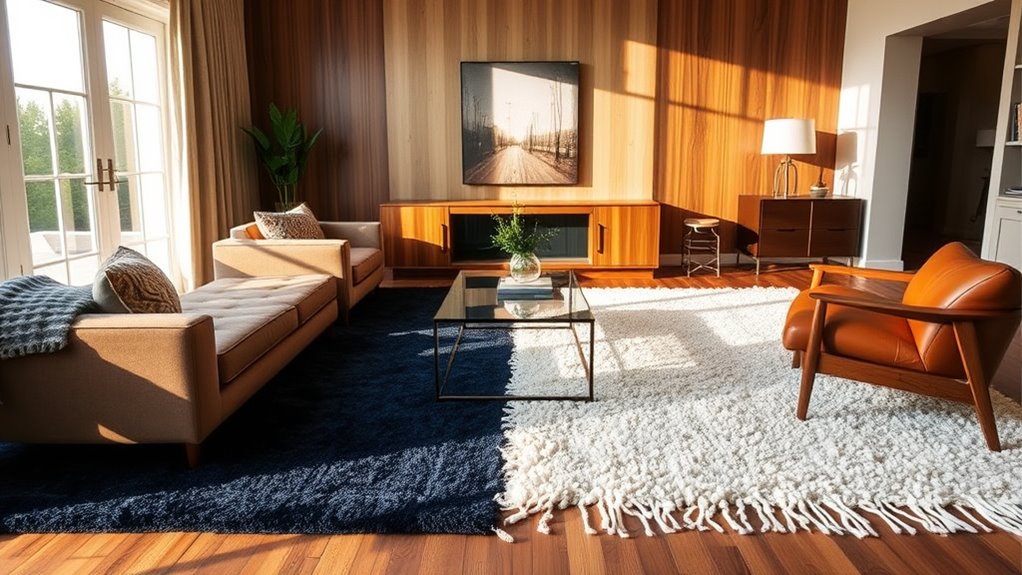
Achieving the perfect rug pairing can transform a room, making it feel more cohesive and inviting. When you’re selecting a rug to complement your furniture, two key elements to focus on are color coordination and texture contrast. These factors work together to create a balanced and harmonious space that feels thoughtfully designed.
A well-chosen rug enhances your space through color harmony and texture contrast, creating a balanced, inviting room.
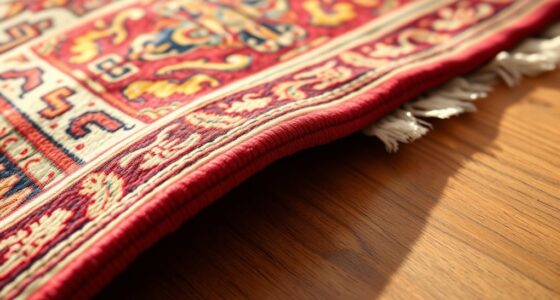
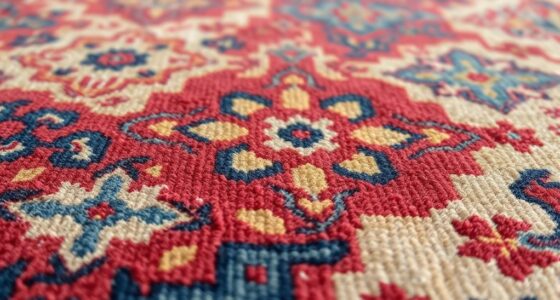
Start with color coordination. Your goal is to choose a rug that either complements or intentionally contrasts with your existing furniture and decor. If your furniture features neutral tones like beige, gray, or white, you have more flexibility. A rug with bold hues or vibrant patterns can serve as a striking focal point, adding personality without clashing. Conversely, if your furniture already features bright or patterned fabrics, opt for a rug with subdued colors or subtle patterns to avoid overwhelming the space. Matching or harmonizing the rug’s colors with your furniture’s palette helps tie the room together, making it feel unified rather than disjointed. Don’t shy away from experimenting with shades, but keep in mind the overall mood you want to evoke—calm and serene or lively and energetic.
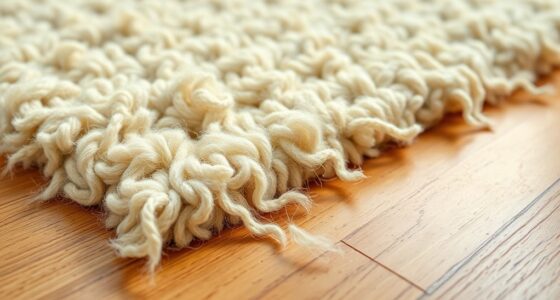
Texture contrast is equally important in rug pairing. Incorporate rugs with different textures from your furniture and accessories to add visual interest and depth. For example, if your sofa is plush and soft, pairing it with a rug that has a rougher or more tactile surface—like a jute or woven fiber—creates a dynamic contrast that elevates the room’s style. Conversely, if your furniture features sleek, smooth fabrics, a textured rug with a chunky weave or shaggy pile can introduce warmth and coziness. Texture contrast doesn’t just add visual appeal; it also invites touch, making your space more engaging and comfortable. Be mindful of how textures interact; overly busy or conflicting textures can create visual chaos, so aim for a balanced mix that complements your furniture rather than competes with it. Additionally, understanding color harmony principles can help you make more confident choices when pairing rugs and furniture.
Ultimately, successful rug pairing hinges on balancing color and texture. You want your rug to enhance your furniture’s style without overpowering it. Pay attention to the existing color scheme and textures in your room, and choose a rug that either blends seamlessly or provides a deliberate contrast. When you get this right, your space feels thoughtfully curated, inviting, and visually satisfying. With a little attention to color coordination and texture contrast, you can elevate any room into a cohesive, stylish haven.
Frequently Asked Questions
How Do I Choose a Rug for a Small Space?
When choosing a rug for a small space, prioritize color coordination to make the room feel larger and more cohesive. Opt for light or neutral tones that reflect light and open up the area. Consider rug texture—smooth or low-pile options add a sense of spaciousness and comfort. Keep the size proportional, avoiding overly large rugs that can overpower the space, and select patterns carefully to balance visual interest without clutter.
What’s the Best Rug Material for High-Traffic Areas?
Think of your rug as armor for high-traffic zones. Wool is your best bet because it offers exceptional durability considerations and a dense fiber texture that withstands wear and tear. Synthetic fibers like nylon or polyester also excel, providing resilience and easy cleaning. Choose a rug with a tight weave and sturdy backing, ensuring it stays vibrant and intact despite daily hustle. Your space stays stylish and resilient with the right material.
How Can I Layer Rugs Effectively?
To layer rugs effectively, start by choosing rugs with complementary textures and colors that create visual interest. Place the larger, neutral rug as a base, then add smaller, patterned rugs on top to add depth. Focus on texture pairing to balance soft and rough surfaces, and coordinate colors to guarantee harmony. This approach makes your space feel cohesive and dynamic, highlighting your style without overwhelming the room.
What’s the Ideal Rug Size for a Dining Room?
Imagine stepping into your dining room, feeling the plush rug beneath your feet. The ideal rug size extends at least 24 inches beyond your table on all sides, ensuring chairs stay on the rug even when pulled out. Opt for a size that allows for seamless color coordination and pattern selection, creating harmony with your furniture. This way, your space feels cozy yet balanced, inviting everyone to gather comfortably.
How Do I Maintain and Clean Different Rug Types?
To maintain and clean your rugs, start by vacuuming regularly using gentle techniques to prevent damage. For stain removal, act quickly with appropriate methods—blot spills with a clean cloth and use suitable cleaning solutions based on your rug type. Always test stain removers on a small, hidden area first. For delicate or specialty rugs, consider professional cleaning to preserve their beauty and longevity.
Conclusion
As you step back and see the room come alive, the rug’s colors and textures perfectly complement your furniture, creating a welcoming haven. Imagine the soft fibers underfoot, grounding your space with warmth and style. When every piece works in harmony, your room feels both inviting and polished, a true reflection of your taste. With careful pairing, you craft an environment where comfort and design dance together seamlessly, turning your space into a beautiful, cohesive retreat.