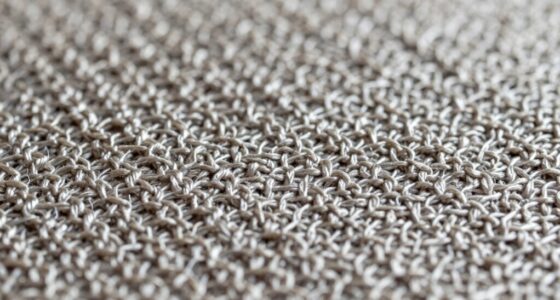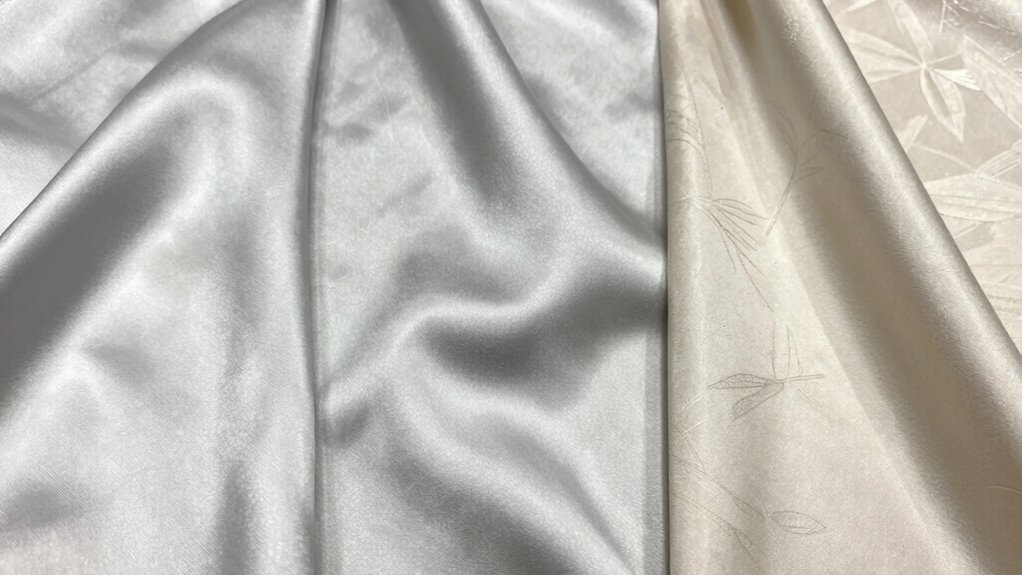

Silk, viscose, and bamboo silk differ mainly in their origins and production processes. Silk comes from silkworms and feels luxurious with a natural sheen. Viscose is a semi-synthetic fiber made from wood pulp, offering a silky look but less durability. Bamboo silk is eco-friendly, made from bamboo pulp through chemical processes, and feels soft with a natural vibe. If you want to understand which suits your needs best, explore these differences further.
Key Takeaways
- Silk is a natural, luxurious fiber produced by silkworms, while viscose and bamboo silk are semi-synthetic or chemically processed fibers derived from cellulose.
- Bamboo silk is more eco-friendly with sustainable growth and lower chemical use compared to viscose, which involves chemical-heavy production.
- Silk offers a soft, lustrous, high-end appearance; viscose has a silky feel with vibrant colors; bamboo silk has a natural, textured look with a subtle sheen.
- Silk is typically more expensive and less durable, whereas viscose is affordable but less durable; bamboo silk balances eco-friendliness with better longevity.
- Proper care involves gentle washing and drying for all three, but silk requires the most delicate handling, while bamboo silk is generally more resilient.

Scotch Felt Pads 162 PCS Beige, Felt Furniture Pads for Protecting Hardwood Floors, Round, Assorted Sizes Value Pack, Self-Stick design, Protecting from nicks, dents and scratches (SP845-NA)
- Suitable for Various Furniture: Protects chair legs, tables, and decor
- Easy to Install: Peel and stick self-adhesive design
- Protects Hard Surfaces: Safeguards hardwood, tile, laminate, vinyl
As an affiliate, we earn on qualifying purchases.
What Are Silk, Viscose, and Bamboo Silk?
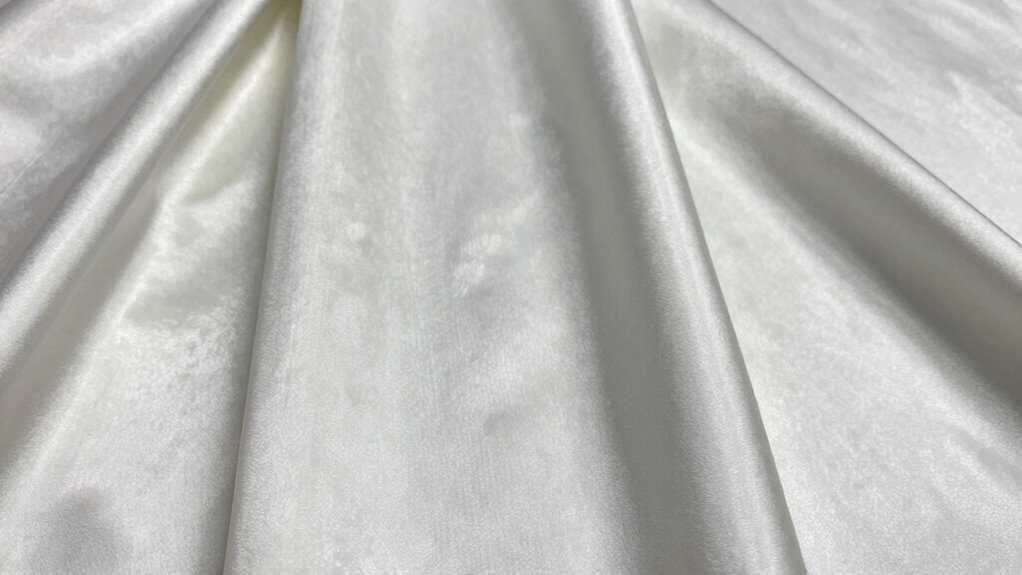
What exactly are silk, viscose, and bamboo silk? These fabrics each have unique origins rooted in textile history. Silk is a luxurious natural fiber produced by silkworms, known for its smoothness and sheen. Viscose, a semi-synthetic fiber, is made from cellulose derived from wood pulp through fabric dyeing and processing, offering a silk-like appearance at a lower cost. Bamboo silk is a sustainable alternative, created by transforming bamboo pulp into fiber, combining eco-friendly practices with softness. While silk’s history dates back thousands of years, viscose and bamboo silk are more recent innovations driven by demand for versatile, affordable textiles. Understanding their origins helps clarify their differences in texture, production, and environmental impact, shaping how they’re used in fashion and home décor. Additionally, the fiber production process impacts the environmental footprint of each material, influencing their popularity among eco-conscious consumers.
How Do These Fabrics Feel and Look?

You’ll notice that silk feels incredibly smooth and soft against your skin, giving a luxurious sensation. Viscose has a silky finish too, but it’s lighter and drapes more fluidly. Bamboo silk combines a gentle sheen with a natural, breathable look that’s both elegant and eco-friendly. Additionally, bamboo silk offers sustainable benefits, making it an attractive choice for environmentally conscious consumers.
Texture and Feel
Silk, viscose, and bamboo silk each offer distinct textures that influence how they feel and look against the skin. Silk boasts exceptional fabric softness, providing a smooth, luxurious tactile sensation that drapes elegantly. Viscose feels soft too, but it tends to be slightly less refined, with a lighter, silk-like touch that can sometimes feel thinner or more delicate. Bamboo silk, on the other hand, delivers a unique combination of softness and a subtle matte finish, giving it a more natural, gentle feel. Its tactile sensation is often described as plush yet breathable, making it comfortable for sensitive skin. Overall, these fabrics differ in their tactile experience, with silk delivering the most luxurious feel, viscose offering a soft, versatile touch, and bamboo silk providing a cozy, natural softness.
Visual Appearance
The visual appearance of silk, viscose, and bamboo silk varies considerably, influencing their overall aesthetic appeal. Silk offers a natural sheen that catches the light beautifully, making it look luxurious and elegant. Viscose tends to have a softer, matte finish, which can be enhanced through fabric dyeing techniques to achieve vibrant colors. Bamboo silk, on the other hand, often has a subtle sheen with a slightly textured surface, giving it a more organic look. Fiber blending plays a role in how these fabrics take dye, affecting their richness and depth of color. Overall, silk’s lustrous quality stands out, while viscose and bamboo silk can be customized through dyeing and fiber blending to match specific design preferences. Additionally, the energy-efficient manufacturing processes used for bamboo silk contribute to its eco-friendly appeal and distinctive appearance.
How Are Silk, Viscose, and Bamboo Silk Made?
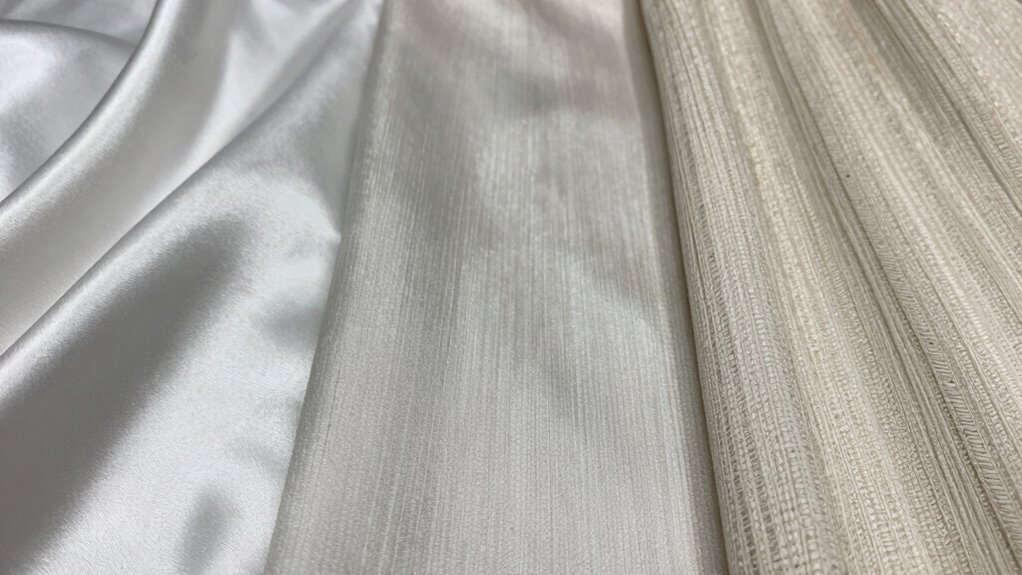
You’ll see that silk production involves harvesting silkworm cocoons and carefully unwinding the threads. For viscose and bamboo silk, the process includes dissolving plant fibers and transforming them into smooth, yarn-like materials. Each method uses distinct techniques to create fabrics with unique textures and qualities. Notably, precious metal investments are often used as a hedge against inflation, similar to how sustainable fabrics appeal to eco-conscious consumers.
Silk Production Process
Understanding how silk, viscose, and bamboo silk are made reveals their distinct processes, each involving innovative methods to transform raw materials into luxurious fabrics. Silk production begins with harvesting silkworm cocoons, which are then boiled to soften the fibers. The silk threads are carefully unraveled, cleaned, and spun into yarn. This yarn undergoes fabric dyeing, where colors are added before the weaving process begins. Textile weaving is then used to create the smooth, strong fabric characteristic of silk. Viscose and bamboo silk, however, involve chemical processes that convert plant fibers into cellulose viscous solutions. These solutions are extruded through spinnerets to form filaments, which are then woven into fabric. Each process reflects the unique origins and craftsmanship behind these luxurious textiles.
Viscose and Bamboo Techniques
To create viscose and bamboo silk, manufacturers transform plant fibers through a series of chemical and mechanical steps. First, they break down the fibers into a viscous solution using chemicals like sodium hydroxide and carbon disulfide. This solution is then extruded through fine spinnerets to form filaments, which are spun into threads. During fiber blending, different fibers are combined to achieve desired qualities like softness or durability. Once spun, dyeing techniques are applied to add color, often involving immersion or printing methods that ensure vibrant, even hues. For bamboo silk specifically, the process includes additional steps to convert bamboo pulp into a cellulose solution before extrusion. These techniques allow for efficient production while maintaining the natural look and feel of the fibers. Additionally, understanding the chemical processes involved helps improve the sustainability and quality of these fibers.
Are They Eco-Friendly? Comparing Sustainability of These Fabrics

Are silk, viscose, and bamboo silk genuinely eco-friendly options? Not necessarily. Silk requires sustainable farming practices to minimize environmental impact, such as reducing water use and ensuring ethical silkworm treatment. Viscose often involves chemical-heavy processes, making eco friendly dyeing critical to lessen pollution. Bamboo silk appears more sustainable because bamboo grows quickly with minimal water and no pesticides, but the processing methods can vary in eco-friendliness. To truly assess their sustainability, look for certifications like OEKO-TEX or FSC, which indicate eco-conscious manufacturing. While bamboo silk may seem greener, the overall environmental impact depends on how each fabric is produced and processed. Being mindful of these factors helps you choose fabrics that align with sustainability goals.
How Durable Are Silk, Viscose, and Bamboo Silk?
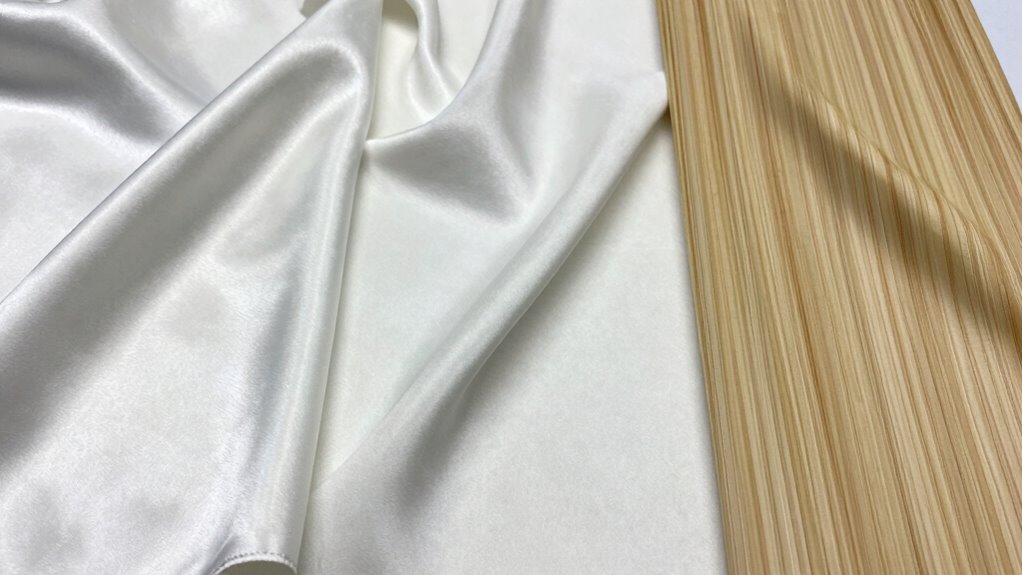
Silk, viscose, and bamboo silk each offer different levels of durability that can impact how long your garments last. Silk is known for its luxurious feel, but it has moderate fabric longevity and can be prone to damage from abrasion or harsh washing. Its wear resistance isn’t as high as synthetic fibers, so it may weaken over time if not cared for properly. Viscose tends to be less durable, with lower wear resistance, making it more susceptible to tearing and wrinkling. Bamboo silk usually strikes a balance, offering better fabric longevity and moderate wear resistance compared to silk and viscose. Overall, your choice will influence how well your clothing withstands daily wear and how long it remains in good condition. Additionally, understanding fiber properties helps in selecting the most suitable material for your needs.
What Do They Cost and Which Offers Better Value?
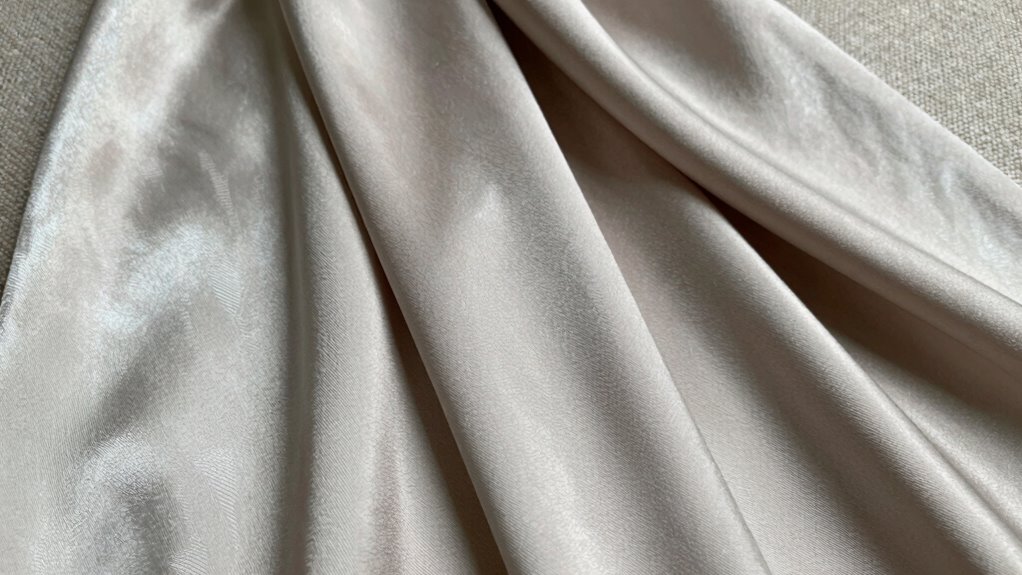
While durability varies among silk, viscose, and bamboo silk, their costs can considerably influence your choice based on your budget and intended use. A clear cost comparison shows silk generally costs the most, reflecting its natural origin and luxury status. Viscose offers a more affordable alternative with decent quality, but it may not last as long. Bamboo silk sits somewhere in between, often providing a good balance of price and eco-friendly appeal. Conducting a value analysis helps you determine which material offers the best bang for your buck. If you prioritize longevity and natural quality, silk might be worth the extra expense. However, if you seek affordability with acceptable durability, viscose or bamboo silk could be better choices. Your decision hinges on balancing cost with your specific needs.
Best Uses for Silk, Viscose, and Bamboo Silk in Clothing and Home Decor
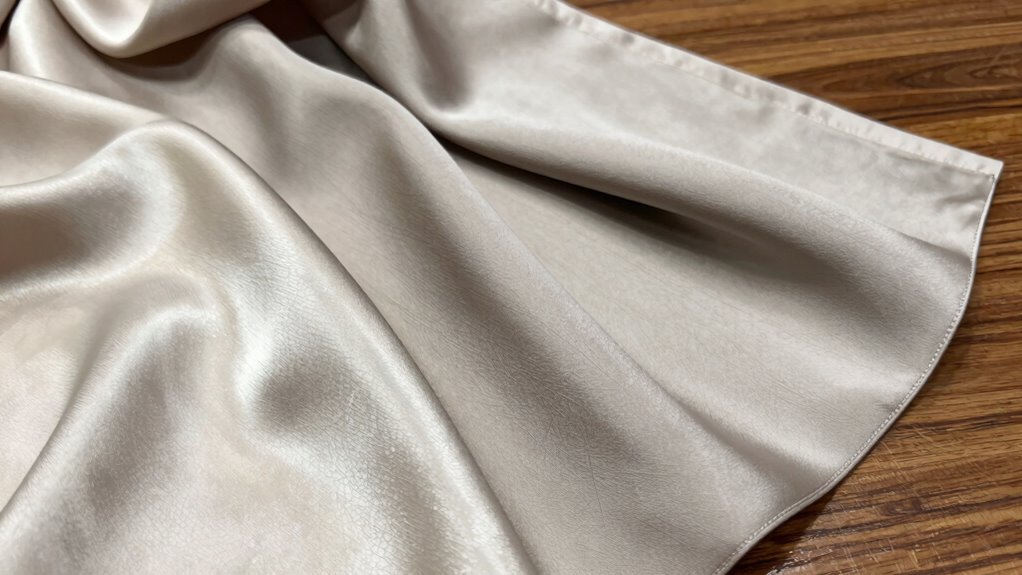
When choosing between silk, viscose, and bamboo silk for clothing or home decor, understanding their best applications can help you make informed decisions. Silk offers unmatched luxury comfort, making it ideal for elegant garments like blouses, scarves, or bedding that emphasize softness and a refined feel. Viscose’s versatility and affordability make it perfect for casual wear and drapery, providing a silky appearance with good eco sustainability. Bamboo silk shines in eco-friendly projects, such as sustainable bedding, curtains, or loungewear, combining comfort with eco-consciousness. Each fabric’s unique qualities determine its best use, allowing you to select the right material for your desired balance of luxury comfort and eco sustainability in your wardrobe and home. Additionally, understanding the quality assessment of these fabrics can help ensure you choose materials that will last and maintain their appearance over time.
How Do You Care for and Wash These Fabrics?

Caring for silk, viscose, and bamboo silk requires gentle handling to maintain their beauty and longevity. Follow the washing instructions carefully, as these fabrics are delicate and sensitive to harsh chemicals. Hand wash in cold water with mild detergent, avoiding fabric dyeing products that can damage fibers. If machine washing, use a gentle cycle and place items in a mesh bag for extra protection. Do not wring or twist the fabric, as this can cause distortion. Instead, gently press out excess water and lay flat to dry, away from direct sunlight. For best results, opt for dry cleaning when in doubt. Proper care preserves the integrity of the fibers, keeps colors vibrant, and ensures your fabrics stay looking their best. Additionally, understanding the fiber composition can help tailor the cleaning process to better suit each fabric type.
Which Fabric Is Best for Your Needs? Making the Right Choice
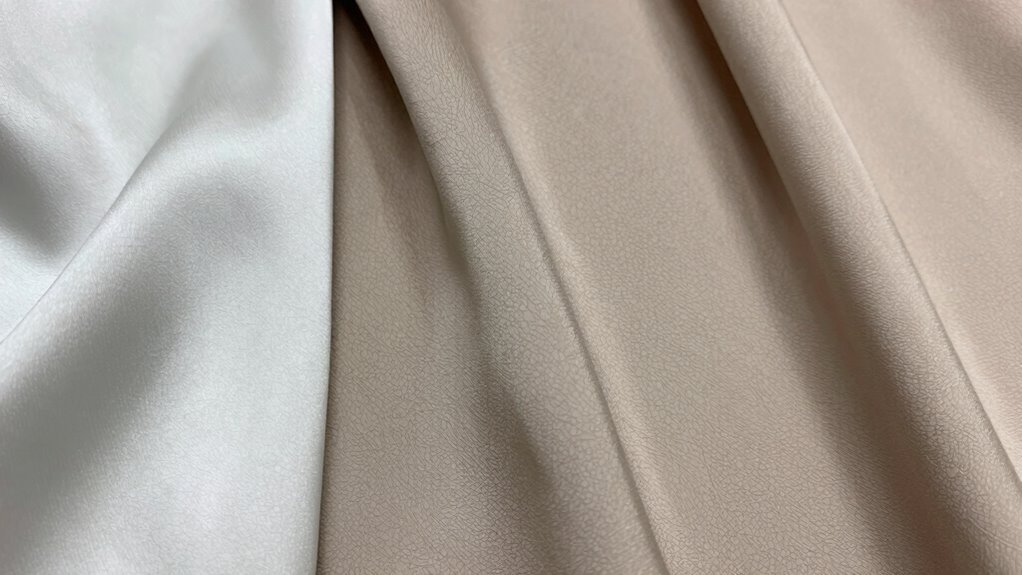
Choosing the right fabric depends on your specific needs and preferences. If you prioritize fabric sustainability, bamboo silk is an eco-friendly option since it requires fewer chemicals and water during production. Silk offers unmatched luxury and breathability but tends to be more expensive, which affects the overall cost comparison. Viscose is generally more affordable and versatile but may have a higher environmental impact due to chemical processing. Consider your budget and values when selecting a fabric. If you want a luxurious feel with eco-conscious benefits, bamboo silk might be best. For elegance and premium quality, silk is ideal despite its higher cost. Viscose provides a budget-friendly alternative with decent sustainability. Weigh these factors to make a choice that aligns with your needs and ethical considerations. Additionally, understanding the environmental impact of each fabric can help you make a more informed decision aligned with your sustainability goals.
Frequently Asked Questions
How Do These Fabrics Compare in Allergy Potential?
You might find that silk, viscose, and bamboo silk have varying allergy potentials. Silk, being natural, generally triggers fewer allergy sensitivities and causes less immune response. Viscose, processed with chemicals, may cause irritation if you’re sensitive. Bamboo silk, made from natural bamboo fibers, usually has a lower allergy risk, but it depends on the manufacturing process. Always check labels and test for reactions to choose the fabric best suited for your allergy sensitivity.
Are There Any Health Risks Associated With Each Fabric?
Imagine each fabric as a delicate dancer on your skin—silk, viscose, and bamboo silk each have unique health stories. Silk’s durability and natural proteins may cause allergies for sensitive skin, while viscose and bamboo silk are gentler but might contain chemical residues from processing. The environmental impact varies, with bamboo silk often being more eco-friendly. Always choose wisely to minimize health risks and support sustainable choices.
Which Fabric Is Best for Sensitive Skin?
You’ll find silk is your best choice for sensitive skin because of its sensory comfort and fabric breathability. It feels soft and smooth, reducing irritation, and allows air to circulate, keeping you cool. Viscose and bamboo silk are also gentle, but silk’s natural fibers often provide superior comfort for sensitive skin. Choose silk for a luxurious, breathable fabric that minimizes discomfort and enhances your skin’s health.
How Do Dyeing Processes Differ Among These Fabrics?
You’ll notice dyeing processes differ among these fabrics in how they absorb color and their colorfastness. Silk absorbs dyes deeply, resulting in vibrant, long-lasting colors with excellent colorfastness. Viscose, being cellulose-based, takes dye easily but may fade faster if not treated properly. Bamboo silk absorbs dye well too, offering rich hues, but its colorfastness can vary depending on the dyeing method used.
Can These Fabrics Be Recycled or Composted After Use?
Think of these fabrics as leaves falling in autumn—they can be recycled or composted, but it depends. Silk and bamboo silk are more likely to be biodegradable and compostable fabrics, yet viscose often requires special recycling processes due to chemical treatments. To minimize waste, choose eco-friendly options and look for brands that support fabric recycling initiatives. Proper disposal helps nurture the cycle of sustainability, turning your wardrobe waste into new life.
Conclusion
So, after all this talk about silk, viscose, and bamboo silk, it’s funny how you might still end up choosing the most expensive or least eco-friendly option. Sometimes, the most luxurious fabric isn’t the most sustainable, and the budget-friendly choice might not last as long. But hey, whether you’re after elegance or eco-consciousness, at least now you’re armed with the truth—so you can’t really complain when your fancy new fabric surprises you.