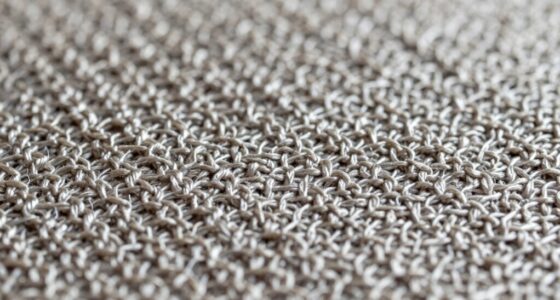
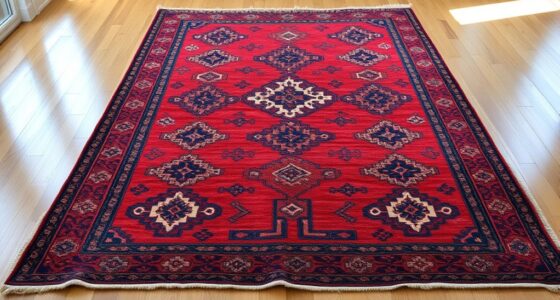
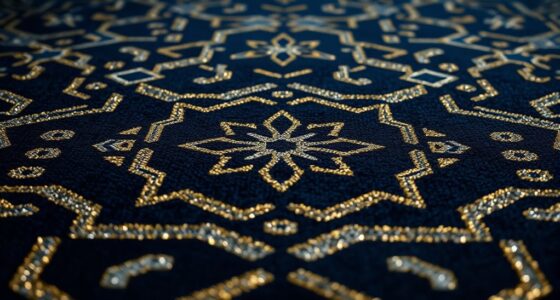
Photos can be deceiving when it comes to your rug’s pile direction because lighting, angles, and reflections often distort how fiber flow appears. To accurately determine the true pile flow, look for subtle cues like sheen, surface texture, and signs of wear, and examine the rug from different lighting angles. Understanding these details helps you choose the right orientation for your space. Keep exploring — you’ll find tips that reveal the truth behind those misleading images.
Key Takeaways
- Photos can mislead by capturing shadows, lighting, or angles that obscure the true fiber flow.
- Visual cues like fiber sheen and surface texture are more reliable than images alone to determine pile direction.
- Relying solely on photos can cause errors; tactile inspection helps confirm the correct fiber orientation.
- Lighting conditions and camera perspectives can distort the appearance of pile flow in photographs.
- Confirm pile direction by observing fiber reflection, sheen, and wear signs in natural or controlled lighting.
What Is Rug Pile Direction and Why It Matters
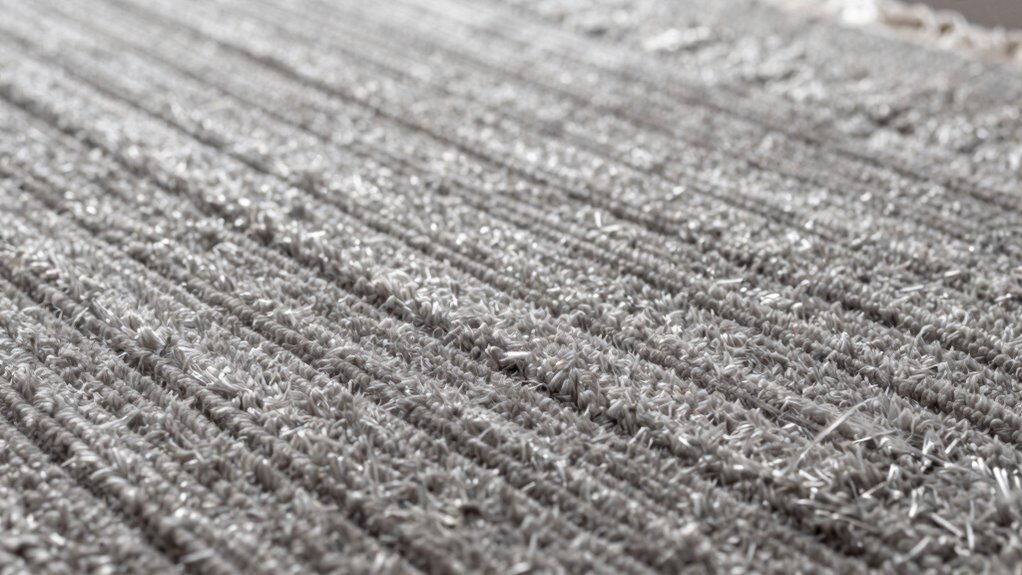
Understanding rug pile direction is essential because it affects the appearance and durability of your rug. When you pay attention to fiber texture, you notice how the fibers lay in a specific direction, impacting how light reflects and how the rug looks overall. Pile thickness also plays a role; a thicker pile can feel plush and luxurious, but it may wear differently depending on its orientation. Recognizing the direction helps you maintain the rug’s aesthetic, especially when vacuuming or cleaning, as going against the pile can damage fibers or flatten the texture over time. Proper color accuracy in viewing conditions can also influence how well you notice these details, ensuring your rug’s colors and textures remain vibrant. Knowing the pile direction guarantees your rug stays looking fresh and lasts longer, preserving both its beauty and function.
Why Photos Can Trick You About Pile Orientation
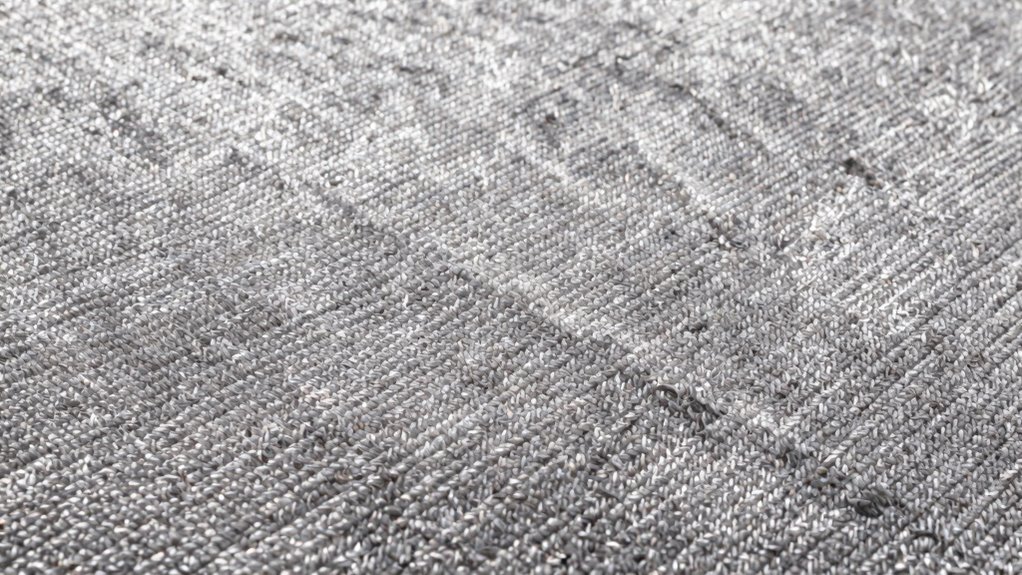
Photos can be misleading because lighting and shadows may make the pile direction appear different from reality. Camera angles and distortion can also skew how the fibers reflect, confusing your perception. Understanding these factors helps you see the true pile orientation beyond what images show. Additionally, being aware of common media literacy pitfalls can improve your ability to interpret visual information accurately.
Lighting and Shadows
Lighting and shadows can easily deceive your eyes about a rug’s pile direction. Variations in fiber sheen and shadow contrast can make fibers appear to shift or change orientation. Bright light reflects differently on the surface, causing the pile to seem aligned in one way when it’s actually not. Shadows cast by uneven lighting or nearby objects can exaggerate or hide the true pile flow. To better understand the real orientation, consider:
- How fiber sheen changes under different light angles
- The way shadow contrast highlights or obscures pile direction
- Differences in lighting intensity across the rug
- How natural versus artificial light influences perception
- The role of visual perception in interpreting texture and fiber orientation
Camera Angles and Distortion
Camera angles can substantially distort your perception of a rug’s pile direction, making it difficult to determine the true flow of fibers. Camera distortion and perspective tricks often mislead, especially when photos are taken from unusual angles. For example, a top-down shot reveals a different pile flow than a skewed side view. To visualize this, consider the following:
| Straight-On View | Side Angle View |
|---|---|
| Accurate fiber flow | Twisted appearance |
| True pile direction | Illusion of movement |
| Clear fiber alignment | Confusing perspective |
| Minimal distortion | Exaggerated curves |
| Reliable for analysis | Deceptive visuals |
Understanding how camera angles manipulate perception helps you avoid false assumptions about pile orientation, ensuring you see the rug’s fibers as they truly are.
Carpet Fiber Reflection
Have you ever noticed how the fibers in a rug seem to shimmer or change color when viewed from different angles? This phenomenon is due to carpet fiber reflection, which affects how light interacts with the pile sheen. When light hits the fibers, it reflects differently depending on their orientation, creating a dynamic appearance. This can make photos misleading, as the reflected shine might suggest a certain pile direction that isn’t accurate. To better understand, consider:
- The way light causes a subtle shimmer on the fibers
- How pile sheen varies with fiber orientation
- The effects of lighting conditions on reflection
- Why photos may exaggerate or hide the true pile direction
- Haute Couture emphasizes intricate details and luxurious fabrics, making understanding fiber reflection essential for accurate visual perception.
How to Easily Spot Pile Direction in Your Rug
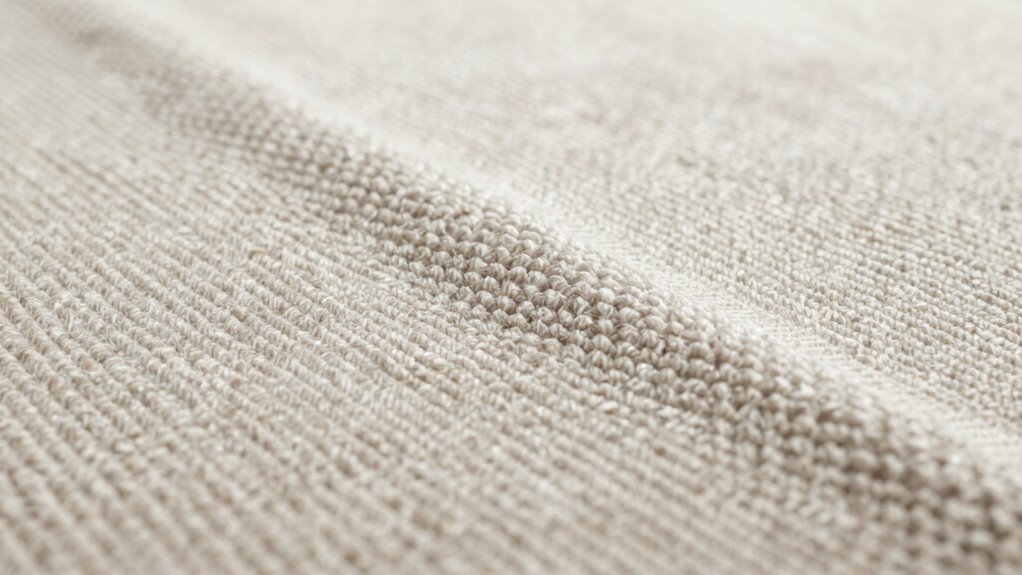
To spot pile direction easily, start with a visual inspection and look for subtle differences in the rug’s surface. Pay attention to how light and shadows fall across the fibers, revealing the direction most fibers lean. Also, check for consistent pattern alignment, which can indicate the correct pile orientation. Consulting professional guidance can further ensure accurate identification of pile direction.
Visual Inspection Tips
Wondering how to quickly determine the pile direction in your rug? Visual inspection is your best tool. Look closely at the fiber sheen—notice how the fibers reflect light differently depending on their direction. Pile compression is another giveaway; the pile appears flatter and more worn in one direction. Gently run your hand over the rug’s surface to feel for subtle differences in texture. Check the edges for signs of consistent wear, which often indicates pile flow. Also, observe the way the fibers lay; they tend to bend or fold more easily in the same direction. Keep these tips in mind to identify pile direction accurately without relying solely on photos, which can be misleading. Additionally, understanding the fiber sheen and wear patterns can help you confirm the pile flow more reliably.
Light and Shadow Play
Light and shadow play is one of the easiest ways to identify the pile direction in your rug. When you tilt or move the rug, notice how the fiber sheen shifts, creating a subtle glow or dullness that reveals the pile’s orientation. The shadow illusion becomes more pronounced when light hits the fibers at certain angles, making one side appear darker or lighter. This effect helps distinguish the pile direction without needing to inspect closely. Pay attention to how the fibers reflect light and how shadows fall across the surface, as these clues indicate whether the pile leans toward or away from the light source. Using light and shadow play is a simple, effective method to determine the correct pile direction quickly. Additionally, understanding the fiber sheen and reflection can further enhance your ability to identify the pile orientation accurately.
Consistent Pattern Alignment
One of the easiest ways to determine your rug’s pile direction is by examining the pattern alignment. Look closely at the rug’s design for pattern consistency, which reveals whether the pile is aligned correctly. When the pile faces the right way, the pattern usually appears sharp and uniform. Conversely, misaligned piles cause distortions and irregularities in the pattern. Focus on these signs for alignment accuracy:
- The pattern looks crisp and clear
- Repeated motifs are consistently oriented
- Edges and borders align smoothly
- The design appears uniform across the surface
- Paying attention to creative storytelling can help you understand subtle visual cues that indicate pile direction.
Tips for Choosing the Best Pile Direction for Your Space

Choosing the right pile direction for your rug can considerably impact the room’s overall look and feel. To start, consider how fiber sheen interacts with the light—running the pile in the same direction as the light source can enhance shine and create a cohesive appearance. If you prefer a more subtle, textured look, vary the pile direction to highlight color variation across the rug. Think about the room’s layout: aligning pile with furniture flow can make the space feel larger and more unified. For high-traffic areas, a consistent pile direction ensures durability and easier maintenance. Additionally, understanding the fiber orientation can help you make an informed decision about how to position your rug for the best visual effect. Ultimately, test different directions by flipping a corner or laying the rug in different ways to see how fiber sheen and color variation play out in your space.
Common Mistakes When Assessing Rug Pile Direction

A common mistake when evaluating rug pile direction is assuming it’s always obvious which way the fibers lie. Many overlook subtle clues like texture variation and color consistency, leading to incorrect assessments. For example, fibers may appear uniform, but slight differences in texture can reveal the true pile direction. Additionally, lighting can distort perceived color, making it tricky to determine the right way to orient the rug. Be cautious of these pitfalls:
Avoid assuming rug pile direction is always obvious; subtle clues like texture and lighting matter.
- Relying solely on visual cues without feeling the texture
- Ignoring subtle differences in pile height or sheen
- Overlooking how lighting affects color perception
- Assuming fiber direction is always clear in photos or under different lighting conditions
Focusing on these details helps you avoid mistakes and properly assess pile direction. Pay attention to lighting effects that can influence how fibers appear in different environments.
How Pile Direction Affects Rug Look and Feel
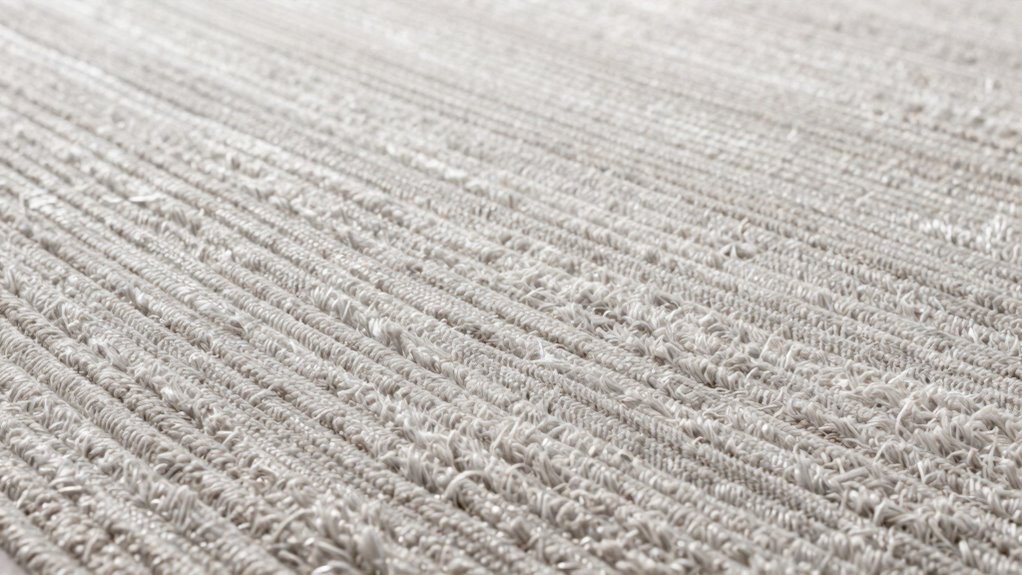
The direction of rug pile has a significant impact on how your rug looks and feels underfoot. When you change pile direction, you can create subtle texture variations that influence the rug’s overall appearance. This affects how light reflects off the surface, altering color perception and making certain areas appear brighter or darker. For example, running pile in one direction can enhance the depth of the design, while reversing it might make the pattern less distinct. The feel underfoot also shifts—piles brushed in different directions can seem softer or more rigid. Understanding this relationship helps you choose the best pile orientation for your space, ensuring your rug’s texture and color come together to create the look and comfort you desire.
Frequently Asked Questions
Can Rug Pile Direction Change Over Time?
Yes, rug pile direction can change over time. Foot traffic, vacuuming, and stretching can shift fiber alignment, especially in high-traffic areas. This change affects aesthetic consistency, making the rug look uneven or worn in spots. To maintain the original look, regularly flip or rotate the rug, and vacuum along the pile direction to keep fibers aligned and preserve its appearance.
Is There a Way to Permanently Set Pile Direction?
You can’t permanently set rug pile direction, but you can influence it. Regularly brushing or combing the fibers, especially in the fiber types like wool or synthetic, helps align the pile over time. Keep in mind, color fading from sunlight or cleaning can affect the appearance, making the pile look uneven. Consistent care and gentle brushing can maintain the pile’s direction, but it may still shift slightly with wear.
How Does Pile Direction Impact Rug Cleaning?
You’ll notice that pile direction impacts your rug cleaning by influencing vacuum techniques and pile restoration. When you vacuum with the pile direction, you’ll achieve a more thorough clean and prevent damage, while vacuuming against the grain can cause wear. For best results, switch directions when cleaning and consider resetting the pile for restoration, ensuring your rug stays looking fresh and well-maintained over time.
Do Different Rug Materials Influence Pile Orientation?
Yes, different rug materials influence pile orientation because fiber texture and material sheen vary. For example, a wool rug’s fibers feel plush and tend to reflect light differently depending on pile direction, while silk rugs have a smooth sheen that highlights pile alignment. You’ll notice that the way light hits these materials changes with pile orientation, making it essential to contemplate material when arranging or cleaning your rugs.
Can Lighting Affect How I See Pile Direction?
Yes, lighting illusions can affect how you see pile direction because lighting influences visual perception. When light hits a rug at different angles, shadows and highlights may create the illusion of a change in pile orientation. You should examine your rug under various lighting conditions to accurately determine pile direction, as inconsistent lighting can distort your perception and lead you to incorrect conclusions about the rug’s pile alignment.
Conclusion
Understanding rug pile direction helps you see the true beauty beneath your feet, revealing textures, enhancing colors, and shaping your space. By recognizing the signs, avoiding the tricks photos play, and choosing wisely, you create harmony, depth, and flow. When you align your rug’s pile with your intent, you craft a room that feels inviting, dynamic, and complete. Embrace the details, trust your eye, and let your space tell a story through every thread and turn.