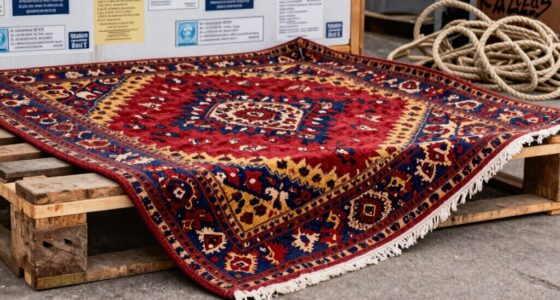
When buying rugs across borders, you need to understand customs rules, import duties, and shipping options. Confirm required documentation with sellers and choose reliable carriers with insurance if needed. Be aware that import duties vary based on rug materials and value, and longer delays may occur during inspections. Proper planning and working with trustworthy sellers help prevent issues. Keep these tips in mind to make your cross-border purchases smoother; uncover more strategies to ensure success.

Get furniture and decor delivered free — and shop member deals
- Fast, free delivery on millions of items
- Access to Prime Big Deal Days deals on October 6–7
- Prime Video, Amazon Music and more included
Key Takeaways
- Research import regulations, restrictions, and required documentation for the destination country before purchasing rugs.
- Confirm shipping options, costs, and insurance with the seller to balance speed and affordability.
- Clarify if customs duties or taxes are included or payable upon arrival to avoid surprises.
- Properly package rugs and ensure complete documentation to minimize delays and inspections at customs.
- Collaborate with customs brokers or freight forwarders for smooth clearance and accurate handling of import procedures.
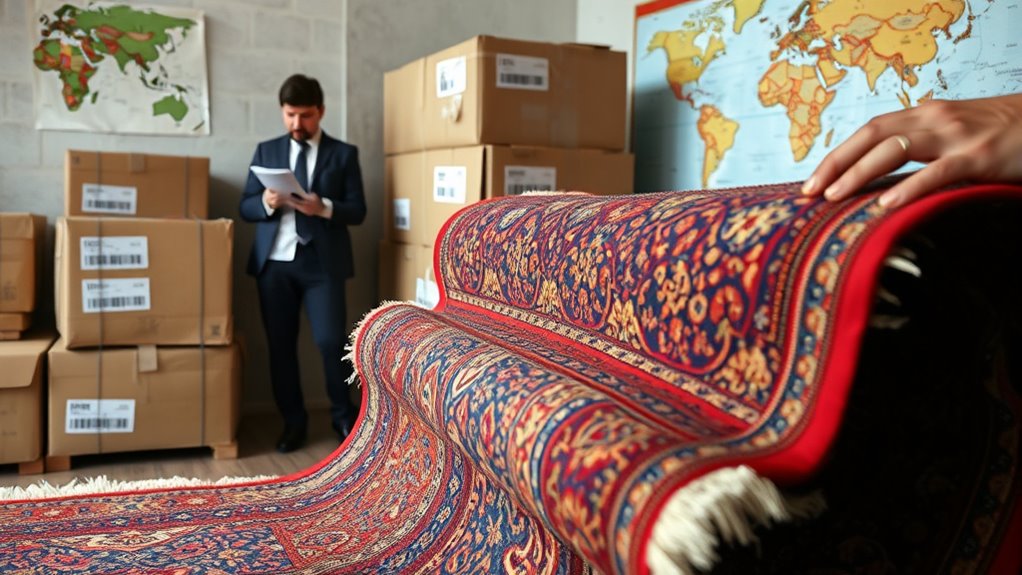
If you’re searching for unique and high-quality rugs, cross-border buying offers exciting opportunities to access styles and prices not available locally. However, before you plunge into international purchases, it’s essential to understand the import regulations that govern bringing goods into your country. Each nation has specific rules about what can be imported, restrictions on certain materials, and necessary documentation such as invoices or certificates of authenticity. Failing to comply with these regulations can lead to delays, fines, or even the confiscation of your rug. To avoid surprises, research your country’s customs policies beforehand and ensure your seller provides all required paperwork.
Shipping costs are another critical factor to consider. International shipping can greatly impact the overall price of your rug, sometimes adding a hefty fee that erodes potential savings. Different carriers offer varying rates depending on the size, weight, and destination of the package. Some shipping services include insurance, which is worth considering given the fragility and value of high-quality rugs. Comparing shipping options can help you find a balance between cost and reliability. Remember that cheaper shipping might mean longer delivery times or less careful handling, so weigh your options carefully.
When planning your cross-border purchase, ask the seller about shipping methods and costs upfront. Many sellers have preferred carriers or partnerships that might offer discounted rates for international shipments. Also, check if the seller includes customs duties or taxes in their pricing or if you’ll need to pay those upon arrival. Some countries impose import duties based on the rug’s value or material, so knowing what to expect can help you budget accurately. If you’re unsure about the import process, consider working with a customs broker or freight forwarder who can facilitate smooth clearance and handle paperwork.
Another consideration is the potential for delays due to customs inspections. Even if you’ve prepared correctly, your package might be held up temporarily at customs, especially if the documentation isn’t in order or if the item is flagged for inspection. Patience is key, but staying in touch with your courier or customs agent can help keep things moving. Additionally, understanding the benefits of proper packaging can minimize damage during transit. Ultimately, being well-informed about import regulations, planning for shipping costs, and working with reputable sellers will help you enjoy the thrill of cross-border rug buying without unwanted surprises. It’s a rewarding way to expand your collection, but it requires careful research and preparation to navigate the complexities smoothly.
Frequently Asked Questions
How Do I Verify a Rug’s Authenticity Before Purchase?
To verify a rug’s authenticity before purchase, start with a thorough rug appraisal from a reputable expert who can identify genuine craftsmanship and materials. Look for clear provenance, detailed photos, and certificates of authenticity if available. Ask about the origin, age, and weaving techniques. Avoid fakes by researching reputable sellers and comparing the rug’s features with known authentic pieces. This process guarantees you’re confident in your purchase.
What Are Common Customs Delays for International Rug Shipments?
Imagine your rug’s journey through customs as a ship steering turbulent waters. Common delays include customs inspection, which can feel like a gatekeeper scrutinizing every detail, and paperwork delays, causing unexpected anchor drops. These holdups often stem from incomplete documentation or security checks. To avoid these pitfalls, make sure all paperwork is thorough and accurate, helping your shipment sail smoothly through customs and arrive safely at your doorstep.
How Can I Estimate Total Costs Including Duties and Taxes?
To estimate total costs, start by checking the shipping fees and any additional charges like insurance coverage for your rug. Contact your courier or use their online calculator to get an estimate of duties and taxes based on your rug’s value, origin, and destination. Remember to include potential customs fees, handling charges, and insurance costs to get a clear picture of the total expense before purchasing.
Are There Specific Import Restrictions for Certain Rug Materials?
Did you know that over 200 plant and animal species face import restrictions worldwide? Certain rug materials, like ivory or endangered plant fibers, often face strict import restrictions or material bans. Always check customs regulations before buying, as some materials may be prohibited or require special permits. Ignoring these restrictions can lead to delays, confiscation, or fines, so stay informed to make certain smooth cross-border transactions.
What Are Best Practices for Safely Packaging Rugs for International Shipping?
To safely package rugs for international shipping, you should focus on fragile packaging and secure wrapping. First, roll the rug tightly and wrap it with bubble wrap or foam padding to protect against damage. Use sturdy, weather-resistant boxes or tubes, and seal them well with packing tape. Label the package clearly as fragile, and consider adding cushioning inside to prevent shifting. This guarantees your rug arrives intact and in pristine condition.
Conclusion
So, brace yourself—you’re about to become a legendary rug collector, conquering borders and defying every obstacle! With the right knowledge of customs, duties, and logistics, you’ll turn what seems like an impossible maze into a seamless triumph. Nothing can stop your passion now—you’re unstoppable! Get ready to elevate your collection to epic heights, leaving everyone in awe of your unstoppable cross-border buying prowess. The world’s most stunning rugs are waiting—go claim your masterpiece!
Fall Picks
fall essentials
As an affiliate, we earn on qualifying purchases.