

Focusing only on price when comparison shopping can make you miss important factors like product quality, durability, and brand reputation, which affect your long-term satisfaction. Cheaper items often cost more over time due to repairs or replacements, and they may lack safety or feature advantages. By considering aspects like build quality, materials, and support policies, you make smarter choices that save money and stress later. Keep going to discover why these criteria are key to better buying decisions.

Get furniture and decor delivered free with Prime
- Fast, free delivery on millions of items
- Prime Video, Amazon Music and more included
- Member-only deals all year
Key Takeaways
- Focusing only on price may overlook quality, durability, and features that impact long-term satisfaction.
- Brand reputation and customer support are crucial for ensuring product reliability and post-purchase assistance.
- Higher-quality materials and manufacturing standards often justify a slightly higher initial cost.
- Considering build quality and lifespan helps prevent frequent replacements and hidden expenses.
- A comprehensive comparison ensures better value by balancing price with durability, support, and overall quality.
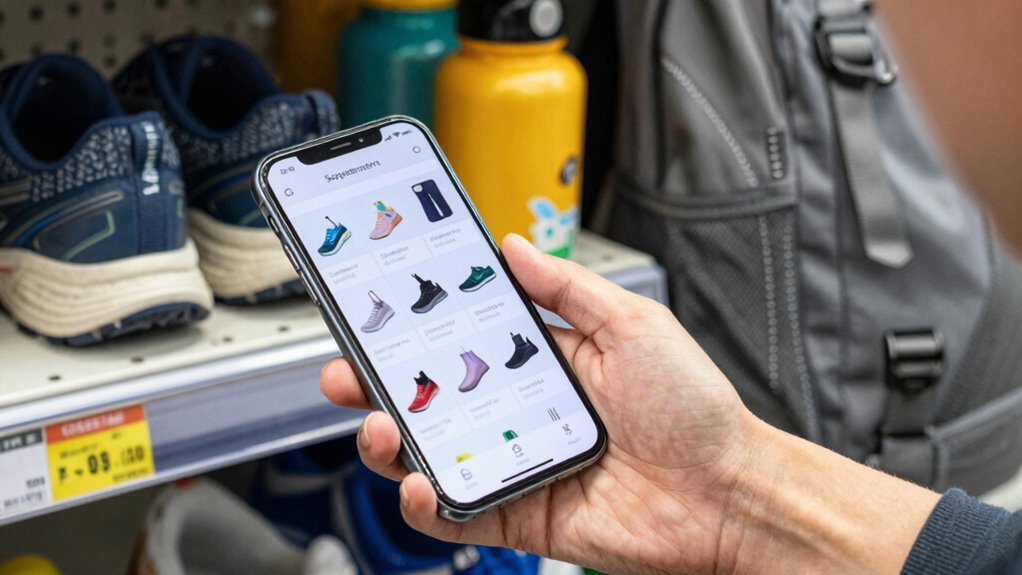
When you’re comparison shopping, focusing solely on price can lead to overlooking key factors that affect your overall satisfaction and value. It’s tempting to pick the cheapest option, but that often sacrifices quality, longevity, or brand reputation. Instead, consider what truly matters in the long run. One essential aspect is brand loyalty, which can serve as a reliable indicator of a product’s consistency and trustworthiness. Established brands tend to have a track record of quality and customer service that lesser-known brands might lack. By paying attention to brand reputation, you’re more likely to invest in products that meet your expectations and stand the test of time.
Product durability is another critical factor that should influence your decision beyond just the initial cost. A cheaper item might seem like a good deal at first, but if it breaks or wears out quickly, you’ll end up spending more replacing it or repairing it over time. Durable products, although sometimes pricier upfront, often deliver better value because they last longer and reduce the hassle of frequent replacements. When you compare options, look for reviews or specifications that highlight build quality and material strength. This way, you’re investing in something that maintains its functionality and appearance longer, saving you money and frustration in the long run. Additionally, considering product lifespan can help you choose items that offer better long-term value. Recognizing the importance of build quality can further guide you towards choices that stand the test of time.
Choose durable products with strong build quality to save money and avoid frequent replacements over time.
Furthermore, paying attention to material quality can significantly impact how well a product performs and endures over time. In addition to brand loyalty and durability, think about the overall quality and features of each product. Sometimes, a slightly higher price includes better features, enhanced performance, or improved safety, all of which contribute to a more satisfying purchase. Don’t get caught up in a price-only comparison; instead, weigh these additional attributes to determine which product truly offers the best value. Also, considering manufacturing standards can give you insight into the product’s reliability and safety. A comprehensive evaluation that includes quality assurance can help prevent disappointment and ensure you’re making a wise investment. Remember, a lower price doesn’t always equate to better value if the product fails prematurely or doesn’t meet your needs.
Moreover, customer service and warranty policies are worth considering. A reputable brand often provides better support, making it easier to resolve issues if they arise. This support can be essential, especially for larger or more complex purchases. When you compare, look beyond the sticker price and evaluate the overall package—quality, brand reliability, durability, and support—to make an informed decision. This approach ensures you’re not just saving money initially but also making a smarter, more satisfying investment that aligns with your needs and expectations over time.
Products Worth Considering

Dyson V8 Cyclone Cordless Vacuum

Dyson Car+Boat Cordless Handheld Vacuum

Roborock H60 Ultra-B Cordless Stick Vacuum Cleaner
As an affiliate, we earn on qualifying purchases.
Frequently Asked Questions
How Do I Determine Which Criteria Are Most Important for My Needs?
You determine the most important criteria by starting with feature prioritization based on your user preferences. Think about what matters most—whether it’s quality, durability, or specific features. Consider how each option aligns with your needs and lifestyle. Rank these factors to focus your comparison. This way, you guarantee your decision isn’t just about price but about choosing the product that best fits your unique requirements.
Can Non-Price Factors Impact Long-Term Savings Significantly?
Imagine choosing a refrigerator based solely on price, but a model with better energy efficiency saves you hundreds annually. Non-price factors like energy efficiency and feature significance greatly impact long-term savings by reducing operating costs and enhancing convenience. These considerations improve cost efficiency over time, showing that initial savings aren’t the only measure. Prioritizing these factors can lead to smarter, more economical choices that benefit you in the long run.
How Do I Evaluate Product Quality Objectively?
To evaluate product quality objectively, focus on material durability and user experience. Check reviews for insights on how well the product holds up over time and how users feel about its comfort or usability. Examine product specifications for durable materials, and test or research the product’s performance. Comparing these factors across options helps you make an informed decision, ensuring you choose a product that balances quality and value beyond just price.
What Role Does Brand Reputation Play in Comparison Shopping?
Brand reputation plays a significant role in comparison shopping because it influences your perception of quality and reliability. When you consider brand perception, you’re more likely to trust products from reputable brands, knowing they’ve earned customer trust over time. Strong brand reputation can often justify a higher price, giving you confidence that you’re investing in durability and consistent performance, making your comparison more informed and less solely price-driven.
How Can I Balance Price With Ethical Considerations?
You can balance price with ethical considerations by researching brands’ commitments to ethical sourcing and fair labor practices. Investigate whether companies transparently share their supply chain information and support fair wages. Recognize that sometimes paying a slightly higher price supports better working conditions and sustainable practices. By prioritizing these values alongside cost, you guarantee your purchases align with your ethics without sacrificing affordability.
Conclusion
Remember, when comparison shopping, you’re not just picking a product; you’re choosing an experience. Relying solely on price is like judging a book by its cover—rarely enough to capture the whole story. Instead, consider quality, features, and customer service to paint a fuller picture. Think of it as sculpting a masterpiece—you shape your satisfaction with every detail you weigh. So, look beyond the dollar sign and craft a purchase that truly satisfies your needs.