You might confuse an appraisal’s estimate with the actual market price, leading you to overpay or overvalue collectibles. Appraised value is based on expert judgment, but market value reflects what buyers currently pay. Relying solely on appraisals can cause you to miss real market trends and overestimate items’ worth. To avoid this trap, learn how to compare recent sales and understand market demand—if you keep exploring, you’ll discover how to make smarter collecting decisions.
Key Takeaways
- Appraised value estimates worth based on expert opinion but may not reflect current market demand or true sale prices.
- Market value shows what buyers are willing to pay, influenced by trends, demand, and collector psychology.
- Overreliance on high appraisals can lead to overpaying, especially during bidding wars or hype.
- New collectors often mistake appraised value for market value, risking misjudgment of actual collectible worth.
- Comparing multiple sources and recent sales helps avoid the appraisal trap and ensures accurate valuation.
What Is the Difference Between Appraised and Market Value of Collectibles?
Understanding the difference between appraised and market value is essential when valuing collectibles. Appraised value is determined by a professional’s assessment, focusing on appraisal accuracy based on condition, rarity, and expert knowledge. It serves as an educated estimate, but it can be influenced by collector psychology, such as emotional attachment or recent trends. Market value, on the other hand, is what buyers are actually willing to pay in the current marketplace, reflecting real-world demand. As a collector, you should recognize that appraised value provides a benchmark, but market value fluctuates with trends and buyer interest. Additionally, the contrast in valuation methods highlights the importance of understanding both figures to make informed decisions. Knowing this distinction helps you avoid overestimating your collectibles’ worth and makes you more confident during negotiations.
Why Are New Collectors Prone to the Appraisal Trap?

Why are new collectors often caught in the appraisal trap? It mainly comes down to a lack of experience with appraisal accuracy and understanding collector psychology. New collectors might trust appraisals too much because they believe these assessments reflect true value, not just opinions. They often underestimate how subjective appraisals can be and forget that appraisers have their biases. Enthusiastic to build their collections, they may overvalue items based on initial appraisals, thinking that these figures guarantee long-term worth. This overconfidence makes them vulnerable to overpaying or misjudging an item’s true market value. Without the knowledge of how appraisals are formed and the psychological factors involved, new collectors are more likely to fall into the appraisal trap, confusing appraised value with actual market value.
How Overreliance on Appraisals Can Lead to Overpaying?
Relying too much on appraisals can cause you to overpay because they often inflate market values, especially during heated bidding wars. You might also misjudge a property’s true worth if emotional attachments cloud your judgment. Recognizing these risks helps you avoid paying more than a property’s actual value. Additionally, understanding the affiliate disclosure ensures transparency about potential influences on appraisal recommendations.
Appraisal Inflation Risks
Overreliance on appraisals can lead you to overpay for a property, especially when appraisals inflate values beyond market realities. When an auction house or expert opinion overestimates worth, it can distort your judgment. To avoid falling into this trap:
- Trust market trends over inflated appraisals, not just expert opinions.
- Recognize that auction house estimates may be biased toward higher bids.
- Be cautious if appraisals consistently exceed comparable sales.
- Use independent appraisals as a reference, but always verify with recent sales data.
- Remember that appraisal inflation can undermine your ability to make informed decisions.
Market Value Misjudgment
Appraisals can be helpful, but placing too much trust in them often leads you to misjudge a property’s true market value. Relying solely on appraisal accuracy can cause you to overestimate worth, especially if valuation techniques are flawed or outdated. Appraisers use various methods, like comparable sales and income approaches, but these can sometimes overlook local market nuances or recent trends. Overreliance on a single appraisal can lead you to pay more than a property is truly worth, risking overpayment. To avoid this, consider multiple valuation techniques, do your own research, and consult with local experts. Remember, appraisals are estimates, not guarantees. Developing a well-rounded understanding of market conditions helps ensure you accurately assess value and avoid costly mistakes. Being aware of wave and wind market influences can further refine your valuation process.
Emotional Attachment Bias
When you develop a strong emotional attachment to a property, it can cloud your judgment and lead you to overvalue it, even if the market suggests otherwise. This emotional attachment can cause you to ignore objective appraisal results and inflate your willingness to pay. Be aware of these pitfalls:
- You might justify a higher price because of sentimental value, risking overpayment.
- Your emotional bias can make it difficult to walk away, even if the deal isn’t right.
- Overpaying due to emotional attachment can lead to buyer’s remorse later.
- Relying solely on feelings rather than market data distorts your perception of true value.
- Recognizing free floating influences can help you maintain objectivity during negotiations.
Recognizing this bias helps prevent overpaying and ensures your decision is grounded in reality, not just emotion.
How to Recognize Overpriced Collectible Items?

Wondering how to spot overpriced collectible items? Start by examining the grading standards used to evaluate the item. If the grade seems overly generous or inconsistent with similar pieces, it’s a red flag. Overpriced items often have inflated appraisals that don’t match their true condition or rarity. Relying on appraisal accuracy is key; if the appraisal seems inflated or lacks supporting documentation, it’s worth questioning. Compare prices across multiple sources and check recent sales of similar items to get a realistic idea. Be cautious of sellers who push high prices without clear evidence of quality or authenticity. Remember, a high price doesn’t always mean value—it often signals an overestimation of the item’s worth.
What Factors Determine a Collectible’s True Market Value?
Your collectible’s true market value depends on factors like rarity and scarcity, which make it more desirable, and provenance, which adds to its credibility. Market demand can shift over time, influencing how much collectors are willing to pay. Understanding these elements helps you determine whether an item is truly worth its price. Additionally, being aware of safety guidelines for related products can ensure you make informed decisions when investing in collectibles or accessories.
Rarity and Scarcity
Rarity and scarcity are key factors that directly influence a collectible’s true market value. When an item is rare or scarce, demand often exceeds supply, boosting its worth. However, you must be cautious of counterfeit concerns, which can distort perceived rarity. To verify authenticity, verify the item’s provenance and work with reputable appraisers. Consider these points:
- Limited edition releases increase scarcity and value.
- Short supply or discontinued items create rarity.
- Authenticity verification prevents overestimating counterfeit items.
- High demand for rare collectibles drives up market worth.
- Incorporating vetted appraisals can help accurately assess a collectible’s true value and avoid overestimating based on perceived scarcity.
Understanding these factors helps you differentiate genuine rarity from perceived scarcity, avoiding overpayment driven by false assumptions. Recognizing the true rarity of a collectible is essential for accurate valuation and smart investing.
Provenance and History
Provenance and history are essential factors that determine a collectible’s true market value because they establish the item’s authenticity and story. Authenticity verification confirms that the piece is genuine, preventing costly mistakes and ensuring your investment is real. The historical significance of an item adds depth and context, making it more desirable to collectors who value its place in history. When an item’s provenance traces back to notable owners or events, it often commands a higher price. Knowing the detailed history behind a collectible reassures you of its legitimacy and uniqueness. This connection to the past enhances its value beyond mere appearance, emphasizing the importance of thorough provenance research in accurately appraising true market worth. Additionally, understanding the EnergyLast lifecycle and performance metrics can provide insight into an item’s durability and long-term value.
Market Demand Fluctuations
Market demand fluctuations are a primary driver of a collectible’s true value, as they reflect how much buyers are willing to pay at any given time. Understanding these shifts helps you develop effective investment strategies and interpret collector psychology. Here are four key factors influencing demand:
- Trends and pop culture shifts that make certain items more desirable.
- Economic conditions affecting buyers’ disposable income and willingness to invest.
- Scarcity or availability changes that impact perceived rarity.
- Market hype or media coverage fueling sudden interest.
Tips for Accurately Assessing an Item’s Worth Without Overpaying?
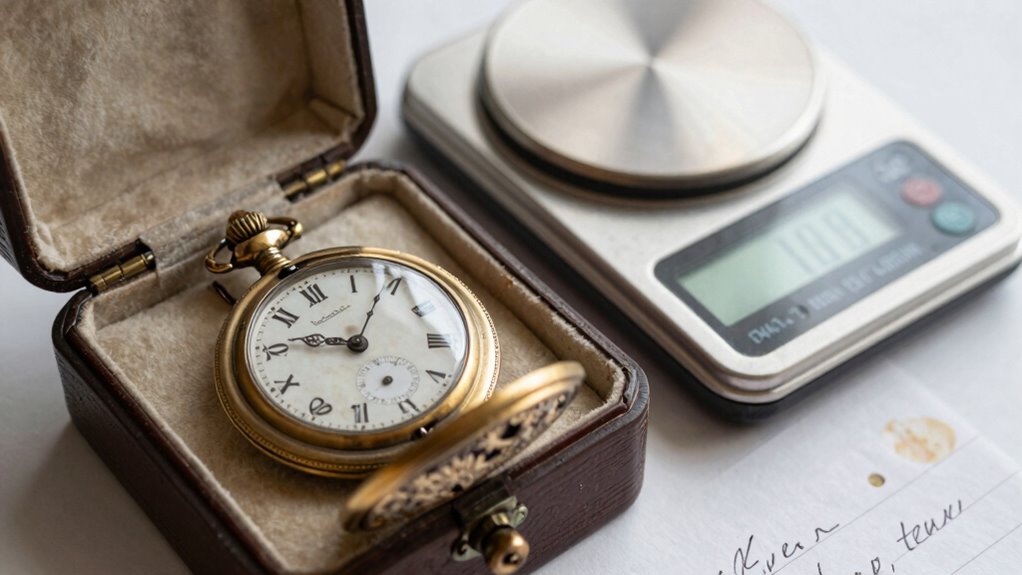
How can you guarantee you’re paying a fair price for an item without falling into overpaying? Start by understanding different valuation methods and pricing strategies. Compare similar items, check auction results, and consult expert appraisals. Use a simple table to determine if a price aligns with market value:
| Method | What to Look For | Best Use |
|---|---|---|
| Comparative Pricing | Prices of similar items | Quick reference for fair value |
| Auction Results | Final sale prices of comparable items | Accurate market snapshot |
| Expert Appraisal | Professional valuation insights | High-value or rare items |
Additionally, considering the Horsepower of Electric Dirt Bikes can help assess whether the item’s performance justifies its price.
Using Market Data to Make Smarter Collecting Decisions?
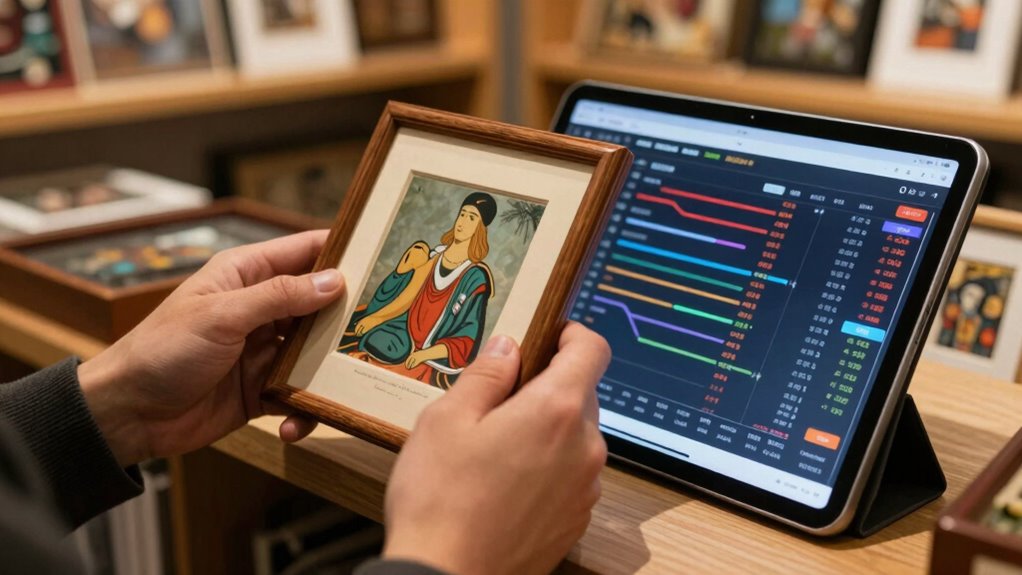
By leveraging current market data, you can make more informed collecting decisions that align with true value. This approach helps you develop effective pricing strategies and understand collector psychology better. To maximize your insights:
- Research recent sales to identify realistic price ranges.
- Observe trends over time to anticipate future value shifts.
- Compare similar items to gauge market saturation and demand.
- Use data to avoid emotional buying, reinforcing rational decisions.
- Implement simple organizing strategies to keep your collection well-maintained and accessible.
Understanding market data shifts your perspective from focusing solely on price to recognizing true value. It also helps you anticipate collector psychology, such as what drives demand or influences perceived worth. With data-backed decisions, you minimize overpaying and enhance your collection’s long-term value. Ultimately, smarter collecting hinges on using market insights to guide your choices confidently.
Avoiding the Appraisal Trap: Best Practices for New Collectors?

New collectors often fall into the appraisal trap when they rely too heavily on appraisals or perceived expert opinions without doing their own research. Recognizing appraisal myths is key; many believe an appraisal guarantees a piece’s true value, but that’s not always accurate. Instead, understand collector psychology—what drives your interest and perception of worth—and avoid being swayed solely by high appraisals. To steer clear of this trap, educate yourself on the market, compare prices, and seek multiple opinions. Trust your judgment, and don’t base decisions solely on appraisals. Developing your own knowledge and questioning appraisal myths empowers you to make smarter, more confident collecting choices. Remember, value isn’t just what an appraiser says—it’s what the piece truly means to you.
Frequently Asked Questions
How Often Do Appraisals Change Over Time?
Appraisals can change frequently, often reflecting valuation fluctuations caused by market trends, rarity, and condition. You might see appraisal consistency over months, but over years, values can vary markedly. It’s crucial to stay updated because appraisals aren’t fixed; they adapt to the market. Regular reassessments help you understand current valuation fluctuations and guarantee your collection remains accurately valued, avoiding the trap of relying solely on outdated appraisals.
Can Appraisals Be Influenced by Market Trends?
Yes, appraisals can be influenced by market trends, market manipulation, and appraisal biases. You should be aware that appraisers might unconsciously reflect current market conditions, inflate values during booms, or be swayed by external influences. Recognizing these factors helps you make informed decisions, avoid overpaying, and understand that appraisals aren’t always a true reflection of a piece’s intrinsic worth, especially during volatile market periods.
What Should I Do if My Appraisal Seems Inaccurate?
If your appraisal seems inaccurate, you should seek a second opinion to guarantee appraisal accuracy. Compare the valuation methods used, such as comparable sales, market trends, and condition assessments. Don’t hesitate to consult multiple appraisers or experts, as this helps verify the valuation’s reliability. Remember, understanding how different valuation methods influence the appraisal can give you better insight and confidence in your item’s true worth.
How Do Appraisals Affect Insurance Coverage?
Appraisals directly impact your insurance coverage because they determine the item’s value for replacement costs. In times of market volatility, a credible appraiser guarantees an accurate valuation, preventing under- or over-insurance. If you doubt your appraisal’s credibility, consider seeking a second opinion from a qualified appraiser. This helps you maintain appropriate coverage and avoid potential gaps when you need to file a claim.
Are Professional Appraisals Necessary for All Collectibles?
In the age of dial-up, you’d want professional appraisals for your collectibles, and today it’s no different. You don’t need one for every item, but they’re vital for authenticity verification and protecting your collector reputation. A professional appraisal ensures you know the true worth of your pieces, helps avoid overpaying, and confirms authenticity. If you’re serious about your collection, investing in appraisals can save you from future regrets.
Conclusion
So, next time you rely solely on an appraisal, remember: value isn’t just what someone says it is—it’s what the market’s willing to pay. Ironically, chasing high appraisals might leave you with overpriced treasures and an empty wallet. Instead, trust the market’s voice. By doing your homework, you’ll avoid the appraisal trap and turn collecting into a smart, rewarding adventure—without falling for the shiny illusion of false worth.