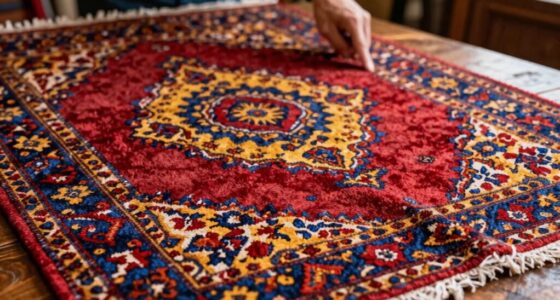
When buying or selling high-value rugs, you’ll need to take into account tax implications like proper appraisals, which determine accurate valuation for tax and capital gains. Knowing import tariffs and customs duties helps you budget total costs and avoid surprises. Proper documentation, including receipts and appraisals, safeguards you during audits and guarantees compliance. Accurate records and valuation methods can make a big difference in taxes owed. To optimize your dealings, understanding these details will boost your confidence in future transactions.

Get furniture and decor delivered free — and shop member deals
- Fast, free delivery on millions of items
- Access to Prime Big Deal Days deals on October 6–7
- Prime Video, Amazon Music and more included
Key Takeaways
- Accurate appraisals are essential for determining taxable value and calculating capital gains on rug transactions.
- High-value rug sales may require reporting to tax authorities and proper documentation to ensure compliance.
- Import tariffs and customs duties can significantly increase the overall cost and affect pricing strategies.
- Proper valuation and documentation help prevent tax disputes and support claims during audits.
- Understanding tax implications aids in setting realistic budgets and avoiding underpayment or overpayment.

When you buy or sell rugs, understanding the tax implications can help you make smarter financial decisions. High-value rugs often involve complex considerations, including how their worth is determined and the costs associated with importing or exporting them. One key aspect is understanding appraisal methods, which are essential for accurately establishing a rug’s value for tax purposes. Appraisal methods can include comparative analysis, where you look at recent sales of similar rugs, or expert appraisals that evaluate craftsmanship, age, rarity, and provenance. Accurate appraisals are crucial because they influence how much you owe in taxes, especially if the transaction exceeds certain thresholds or if you’re reporting income from sales. Misjudging a rug’s value can lead to underpayment or overpayment of taxes, so it’s worth investing in a professional appraisal if the rug is particularly valuable. Additionally, understanding the various appraisal methods can help you select the most accurate valuation approach. Another important factor to consider is import tariffs, which can substantially impact the overall cost when bringing a high-value rug into your country. Import tariffs are taxes imposed by governments on goods crossing borders, and they vary depending on the country of origin, the type of rug, and its declared value. If you’re purchasing a rug from overseas, you should research current tariffs to understand how much extra you’ll need to budget. Failing to account for import tariffs can unexpectedly inflate your expenses, making a seemingly affordable purchase much more costly. Conversely, if you’re selling a rug internationally, tariffs and customs duties may influence the sale process, adding to your costs or affecting the final price you can ask. Additionally, when dealing with high-value rugs, you should be aware of the reporting requirements. If the transaction surpasses certain value thresholds, you might need to report the sale to tax authorities, and the appraised value becomes the basis for capital gains calculations. Proper documentation, including receipts, appraisals, and import documentation, can protect you from potential audits or disputes. Keeping detailed records ensures you’re compliant with tax laws and can substantiate the value of your rug if questioned.
high value rug appraisal service
As an affiliate, we earn on qualifying purchases.
As an affiliate, we earn on qualifying purchases.
Frequently Asked Questions
Are There Specific Tax Benefits for Investing in Antique Rugs?
You might find tax benefits when investing in antique rugs, especially if they’re valued for their antique status and cultural heritage significance. Antique valuation can increase your investment’s worth, potentially offering favorable tax treatment like lower capital gains rates or deductions. Plus, emphasizing the cultural heritage aspect can sometimes qualify you for specific incentives or grants, making your investment both culturally meaningful and financially advantageous.
How Does International Shipping Affect Tax Obligations on Rug Sales?
When you ship a rug internationally, you’re responsible for customs duties and import taxes in the destination country. These costs can affect your overall profit and may require you to pay duties before the rug clears customs. Always check local regulations and declare the correct value to avoid delays or penalties. International shipping increases your tax obligations, so plan accordingly to ensure compliance and accurate reporting of your sales.
Can I Deduct Costs Related to Rug Restoration or Appraisal?
Yes, you can deduct restoration expenses and appraisal costs if they relate to your rug’s maintenance or sale. Restoration expenses improve or repair your rug, making them deductible as business or investment costs. Similarly, appraisal deductions are valid if you need an appraisal for tax purposes or insurance. Keep detailed records of these costs, and consult a tax professional to guarantee proper deduction eligibility and compliance with tax laws.
What Records Should I Keep for Tax Purposes When Buying or Selling Rugs?
You need to keep detailed receipts and documentation for every rug transaction to stay prepared. Imagine opening a drawer filled with invoices, appraisal reports, and proof of purchase—these records become your safety net. Valuation records are essential, especially for high-value sales. By maintaining organized documentation, you’ll easily verify costs, gains, and deductions, ensuring you’re ready for any tax questions that may arise.
Are There Different Tax Rules for Private Collectors Versus Dealers?
As a private collector, you generally face different tax rules than dealers. Dealers are often considered businesses and must report income, collect sales tax, and pay self-employment taxes. Private collectors usually don’t have these obligations unless they sell frequently or as a business. Your tax obligations depend on whether you’re buying or selling as a hobby or for profit, so it’s wise to consult a tax professional familiar with collector distinctions.
Conclusion
When you buy or sell high-value rugs, understanding tax implications can seem intimidating, but staying informed is key. Some believe that rare, antique rugs might appreciate in value and offer tax advantages, like long-term capital gains. While this isn’t universally true, it’s wise to consult a tax professional to explore potential benefits. Ultimately, proactive planning ensures you maximize your investment while staying compliant with tax laws, turning your rug dealings into a savvy financial move.
Fall Picks
fall essentials
As an affiliate, we earn on qualifying purchases.