
Moth prevention starts with creating the right environment because moths thrive in damp, cluttered, and poorly ventilated spaces, not just from scent deterrents. Proper storage, like breathable bags and organized closets, reduces moisture and access for moths and larvae. Good airflow and controlled humidity are essential to make your space less inviting. Relying solely on fragrance sachets won’t work if environmental conditions remain favorable for moths. Keep going to discover more effective strategies to protect your clothes.
Key Takeaways
- Environmental conditions like humidity and airflow directly influence moth development, making proper environment management more effective than scent-based repellents.
- Moth-proof storage and ventilation prevent larvae from thriving, reducing reliance on fragrances that only mask moth presence.
- Natural repellents like cedar or lavender are less effective in damp or poorly ventilated areas where moths can still reproduce.
- Regular cleaning and inspection address underlying infestations, unlike fragrance sachets which only provide superficial deterrence.
- Controlling moisture and organizing storage environments creates an inhospitable setting for moths, making environment-focused prevention essential.

Moths can quickly damage your clothing and textiles if you’re not careful, but with some simple prevention tips, you can keep them at bay. The key isn’t just about using fragrance sachets or scented mothballs; it’s about creating an environment that discourages moths from settling in. Proper fabric storage is essential. Instead of tossing your clothes into a cluttered closet, consider organizing your wardrobe with breathable storage options. Use cotton or linen garment bags that allow airflow and prevent moisture buildup, which moths find attractive. Store seasonal items in airtight containers or vacuum-sealed bags, especially if they won’t be worn for a while. This proactive approach keeps your textiles protected from moths and reduces the need for chemical repellents. Creating a moth-resistant environment through these practices can be highly effective. Maintaining consistent airflow and avoiding stagnant air can further deter moths and other pests. Ensuring good ventilation reduces humidity levels that moths and their larvae prefer, making your storage spaces less inviting. Additionally, paying attention to indoor humidity levels can significantly impact moth prevention efforts, as high humidity encourages their development. Natural repellents are a smarter choice than relying solely on artificial scents. Items like cedar blocks, lavender sachets, or herbal bundles can deter moths naturally. However, their effectiveness depends largely on the environment you maintain. If your closet remains damp or poorly ventilated, even the strongest herbal repellents won’t do much. It’s worth noting that moth prevention isn’t about masking odors but about managing the conditions that moths find inviting. Avoid storing clothes in basements or damp attics, where humidity encourages moth larvae to thrive. Instead, keep your storage areas dry and well-ventilated. Regularly inspecting your textiles and cleaning your closet helps too, as moth larvae are often found in dust and lint. Vacuuming shelves, corners, and crevices removes eggs and larvae before they hatch.
In the end, moth prevention isn’t about quick fixes or relying solely on scented sachets. It’s about creating an inhospitable environment through proper fabric storage and natural repellents. Keep your textiles dry, clean, and well-ventilated, and you’ll prevent moths from turning your wardrobe into their breeding ground. By paying attention to these environmental factors, you reduce the need for harsh chemicals and protect your clothes more sustainably. Remember, a combination of good storage practices and natural deterrents will serve you best in the long run. Understanding the environmental factors that influence moth behavior can help you develop a more effective prevention strategy.
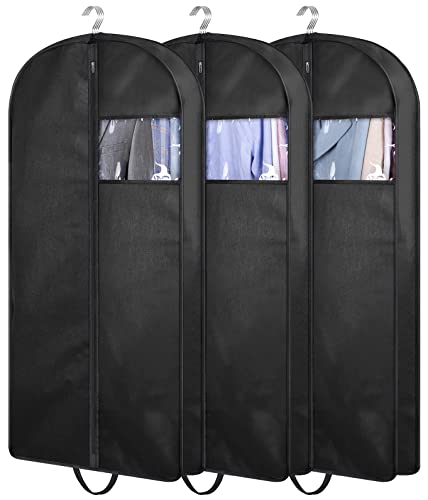
KIMBORA 43" Suit Bags for Closet Storage and Travel, Gusseted Hanging Garment Bags for Men Suit Cover With Handles for Clothes, Coats, Jackets, Shirts(3 Packs)
- Roomy Capacity: Holds multiple suits or shirts
- Versatile Use: Ideal for closet or travel
- Breathable Material: Allows clothing to breathe
As an affiliate, we earn on qualifying purchases.
As an affiliate, we earn on qualifying purchases.
Frequently Asked Questions
Can Moths Survive Without Natural Fibers Like Wool or Silk?
Moths primarily feed on natural fibers like wool and silk, so they struggle to survive on synthetic fabrics. However, they can sometimes nibble on synthetic materials if contaminated with organic residues. To keep moths away, you shouldn’t rely solely on fragrance sachets; instead, use chemical repellents and proper cleaning. Maintaining a clean environment and storing clothes properly helps prevent infestations, as moths thrive in undisturbed, organic-rich settings.
Do Moths Prefer Certain Colors or Patterns in Clothing?
Moths don’t have specific clothing color preferences, but they are more attracted to the natural fibers like wool and silk in certain patterns. Pattern influence on moth attraction shows that moths tend to target textured or patterned clothing, especially if they resemble their natural food sources. Bright or dark solid colors don’t markedly deter them, so focusing on environment control and protective storage is more effective than relying on clothing color or patterns alone.
How Long Does It Take for Environmental Changes to Prevent Moth Infestations?
Environmental changes can start preventing moth infestations within a few weeks to months, depending on the severity. Regular environmental monitoring helps you spot early signs of moth activity. Prevention timing is vital—you should implement changes like cleaning, reducing humidity, and sealing clothing promptly. Consistent efforts over time weaken moth populations, making your environment less attractive for moths and effectively preventing future infestations.
Are Moths Attracted to Specific Household Odors Besides Food and Fabric?
Moths are primarily attracted to household odors related to fabrics and food, but they can also be drawn to other scents like sweat, pet dander, or musty smells. These household odors act as signals for pest attraction, indicating a suitable environment for laying eggs. To prevent moths, focus on reducing these odors through regular cleaning and proper storage, rather than relying solely on fragrance sachets, which don’t address the root cause.
Can Cleaning Alone Eradicate a Moth Infestation Completely?
Cleaning alone can’t completely eradicate a moth infestation. You need to combine thorough cleaning with chemical treatments and pest traps to eliminate moths effectively. Chemical treatments target larvae and eggs hidden in fabrics or cracks, while pest traps catch adult moths. Regular cleaning reduces food sources and breeding grounds, but for full control, you must use a combination of cleaning, treatments, and traps to prevent recurrence.
Conclusion
By focusing on your environment, you create a fortress against moths that’s as strong as a well-guarded castle. Imagine your closet as a pristine garden, free of weeds and hidden pests, where fresh air flows and sunlight filters through. Instead of relying on fleeting fragrance sachets, you’re nurturing a space that naturally repels moths—an inviting sanctuary for your clothes and a safe haven for your wardrobe. Keep it clean, organized, and inviting, and moths won’t stand a chance.