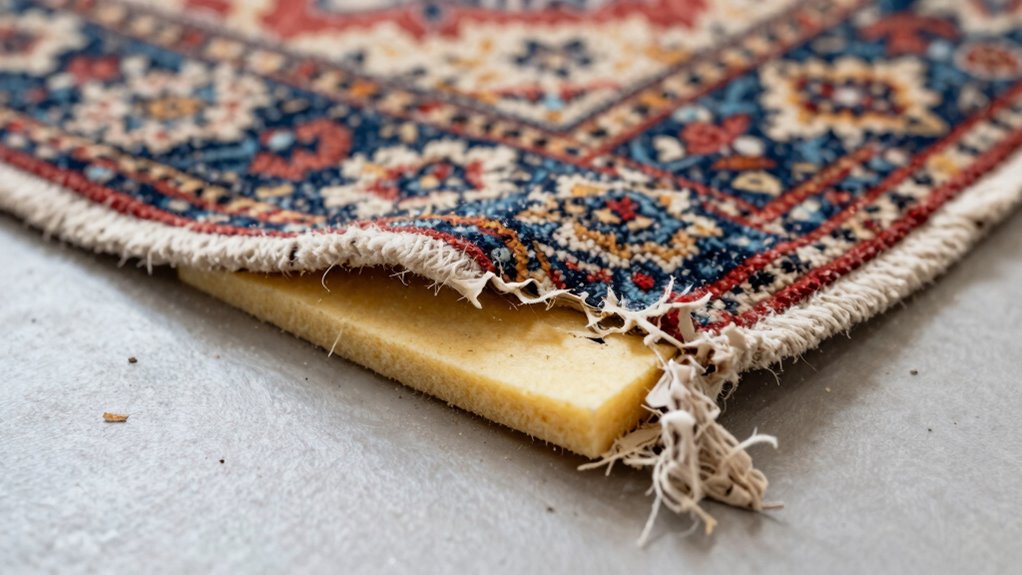

Using the wrong padding for your rug can cause uneven wear, trap moisture, and promote mold growth, all of which damage fibers faster. Poor padding may also hinder vacuuming, allowing dirt to settle deeper and accelerate fraying. It can lead to sagging, wrinkles, or tears that shorten your rug’s lifespan. If you want to protect your investment and keep your rug looking its best longer, understanding the right padding is essential—there’s more to discover below.

Get furniture and decor delivered free — and shop member deals
- Fast, free delivery on millions of items
- Access to Prime Big Deal Days deals on October 6–7
- Prime Video, Amazon Music and more included
Key Takeaways
- Inadequate padding accelerates fiber fraying and premature wear from foot traffic and movement.
- Poor padding traps dirt and moisture, promoting mold, fiber weakening, and faster deterioration.
- Incorrect padding reduces vacuuming efficiency, allowing dirt and debris to damage fibers over time.
- Unsuitable padding causes uneven pressure, leading to sagging, wrinkles, and structural damage.
- Lack of proper padding diminishes shock absorption, increasing fiber breakage and shortening rug lifespan.
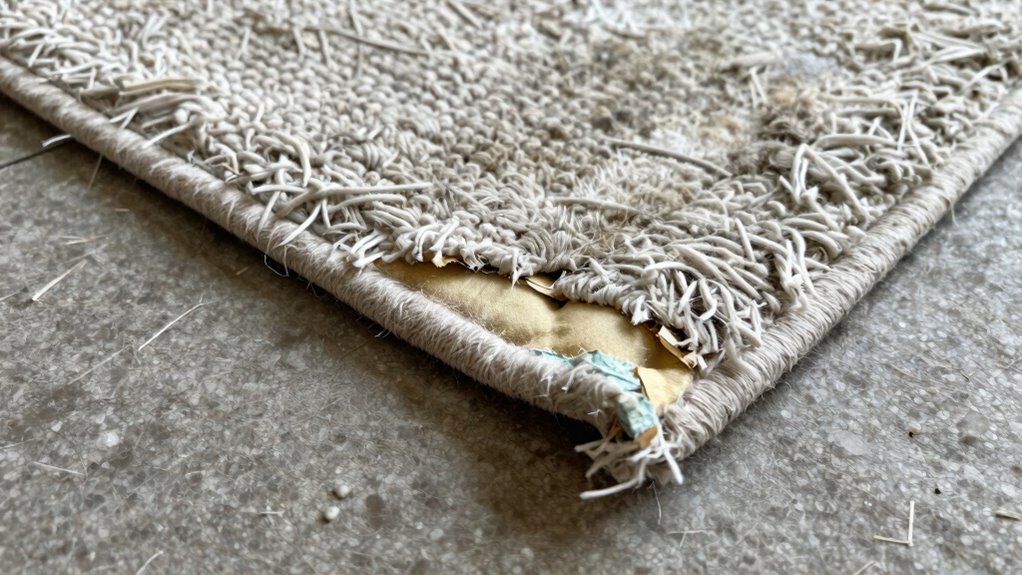
If you think rug padding is just an optional layer, you might be unintentionally shortening the lifespan of your rug. Many homeowners overlook its importance, assuming it’s merely a cushion for comfort. However, the right padding plays a crucial role in protecting your rug from wear and tear over time. Without proper padding, your rug is exposed to friction and pressure directly from foot traffic, which accelerates fiber breakdown and causes premature fraying. When you neglect this layer, the rug absorbs more of the impact and movement, leading to quicker deterioration.
Proper rug padding is essential to prevent premature wear and extend your rug’s lifespan.
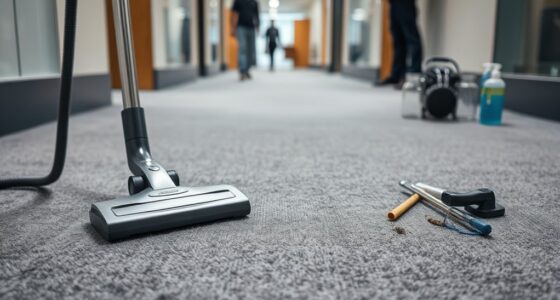
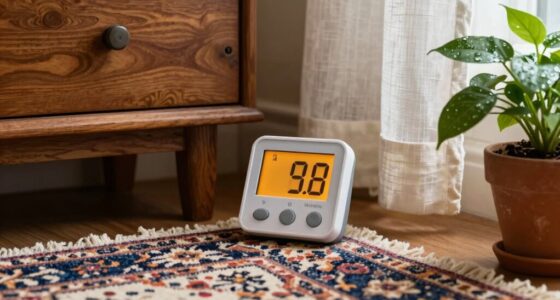
Your vacuum frequency also ties into the importance of padding. Regular vacuuming helps remove dirt, debris, and dust that can settle into the fibers. But if you have the wrong padding—say, one that’s too thin or too dense—it can hinder the effectiveness of your vacuum. Insufficient padding can allow dirt to settle deeper into the fibers, making it more difficult to remove and increasing the risk of staining and fiber damage. Conversely, overly thick padding can prevent proper airflow, trapping dirt and moisture beneath the rug. This not only compromises the rug’s appearance but also fosters mold and bacteria growth, which further shortens its lifespan. Additionally, choosing the right padding can influence the fiber protection and overall durability of your rug. Using appropriate padding materials can also help mitigate the effects of pressure distribution, reducing uneven wear. Proper padding can also act as a moisture barrier, preventing damage caused by humidity and spills. It’s important to select padding that balances support and breathability to optimize your rug’s longevity. A well-chosen padding material supports the fibers and helps maintain the overall structure of the rug, preventing sagging and ripples over time.
Stain prevention is another critical factor tied to padding. The right padding acts as a barrier that minimizes the impact of spills and stains, giving you a better chance to clean them promptly. If your padding is poorly chosen—such as a material that absorbs moisture—stains become harder to remove and more likely to set in. Over time, this leads to permanent discoloration and weakens the fibers. Additionally, incorrect padding can cause uneven wear patterns, especially in high-traffic areas, making stains more visible and difficult to clean effectively. Ensuring the padding material resists moisture absorption can significantly improve stain resistance and ease of cleaning.
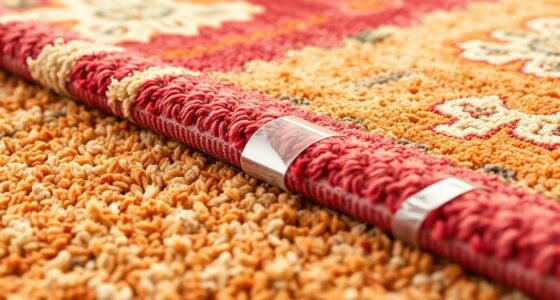
Choosing the appropriate padding isn’t just about comfort; it’s about ensuring your rug stays intact and vibrant for years. When you opt for quality padding, you enhance stain prevention and make vacuuming more efficient, helping to extend your rug’s life. Proper padding absorbs shock and reduces friction, so fibers last longer and resist damage. It also helps maintain the rug’s shape and prevents wrinkles or ripples that can form over time. So, if you want to preserve your investment, pay close attention to your padding choice and recognize its essential role in the overall health and longevity of your rug.
As an affiliate, we earn on qualifying purchases.
Frequently Asked Questions
Can Incorrect Padding Cause Permanent Damage to My Rug?
Yes, incorrect padding can cause permanent damage to your rug. If padding isn’t durable or compatible with your rug’s fabric, it can lead to uneven wear, creasing, or even tears over time. Poor padding reduces support, accelerating fiber breakdown and flattening pile. To prevent this, choose padding with good durability and fabric compatibility, ensuring your rug remains protected and maintains its appearance much longer.
How Often Should Rug Padding Be Replaced for Optimal Longevity?
Imagine your rug’s padding as the hidden foundation of a house—over time, it wears out. For ideal longevity, you should consider padding replacement every 5 to 10 years, depending on foot traffic and use. Regularly inspecting and updating the padding helps protect your rug, extending its lifespan. Don’t wait until signs of wear appear; proactive padding replacement keeps your rug looking fresh and supports its overall durability.
Does Padding Material Affect How Quickly a Rug Deteriorates?
Yes, padding material impacts how quickly your rug deteriorates. For example, foam padding may break down faster, leading to quicker wear, while felt or rubber padding tends to last longer and protect your rug better. Choosing the right padding material helps prevent premature rug deterioration by providing proper support and cushioning. Investing in quality padding guarantees your rug stays in good condition longer, saving you money and effort over time.
Can Improper Padding Installation Lead to Safety Hazards?
Improper padding installation can indeed lead to safety hazards. If padding isn’t installed properly, it can create a slip risk, especially if it bunches or shifts. Additionally, poorly installed padding can hide fire hazards, like electrical cords or flammable materials underneath, increasing the risk of fire. Ensuring correct padding installation helps prevent these hazards, making your space safer and reducing potential accidents or damage.
Is There a Way to Identify if My Rug’s Padding Is Damaged?
Yes, you can tell if your rug’s padding is damaged. Look for uneven fiber compression, where the rug feels saggy or lumpy, which indicates padding deterioration. Additionally, watch out for odor development, as damaged padding often traps moisture and causes musty smells. If you notice these signs, it’s a good idea to replace the padding to preserve your rug’s appearance and longevity.
Conclusion
So, ironically, neglecting proper padding not only shortens your rug’s lifespan but also tricks you into believing you’re protecting it. You spend money on a beautiful piece, only to unknowingly accelerate its demise. It’s almost poetic—by trying to preserve your rug, you’re actually hurrying its end. Next time, give your rug the padding it deserves, or watch it fade away faster than you ever imagined possible. Sometimes, the simplest oversight does the most damage.
Fall Picks
fall essentials
As an affiliate, we earn on qualifying purchases.