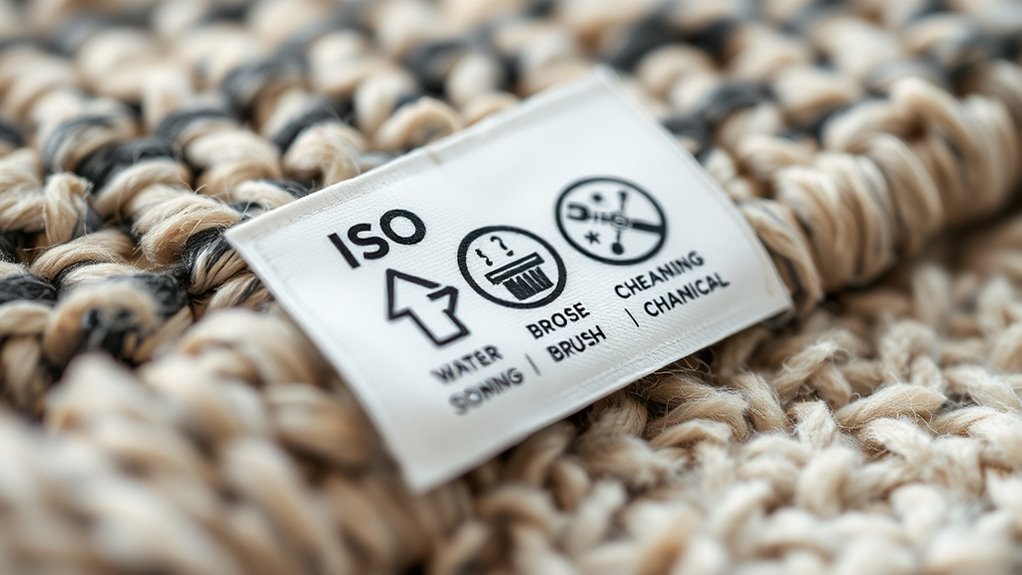

To interpret rug cleaning codes on ISO tags, look for symbols and letters like W, S, WS, or X, which guide you on whether to use water, solvents, or avoid liquids altogether. These codes help you select the appropriate cleaning method to safeguard your rug’s fibers and dyes. Understanding these symbols guarantees you don’t damage your rug—if you keep exploring, you’ll discover how to care for different materials and communicate effectively with professionals.
Key Takeaways
- ISO cleaning codes use letters like W, S, WS, X to indicate compatible cleaning methods.
- “W” means water-based cleaning is safe; “S” indicates solvent cleaning only.
- “WS” allows both water and solvent cleaning; “X” advises against any chemicals or water.
- Symbols also specify stain treatments and dye stability, helping prevent damage.
- Always follow the ISO codes to choose appropriate cleaning techniques that protect rug fibers and dyes.
Understanding the ISO Standard Symbols on Rug Tags
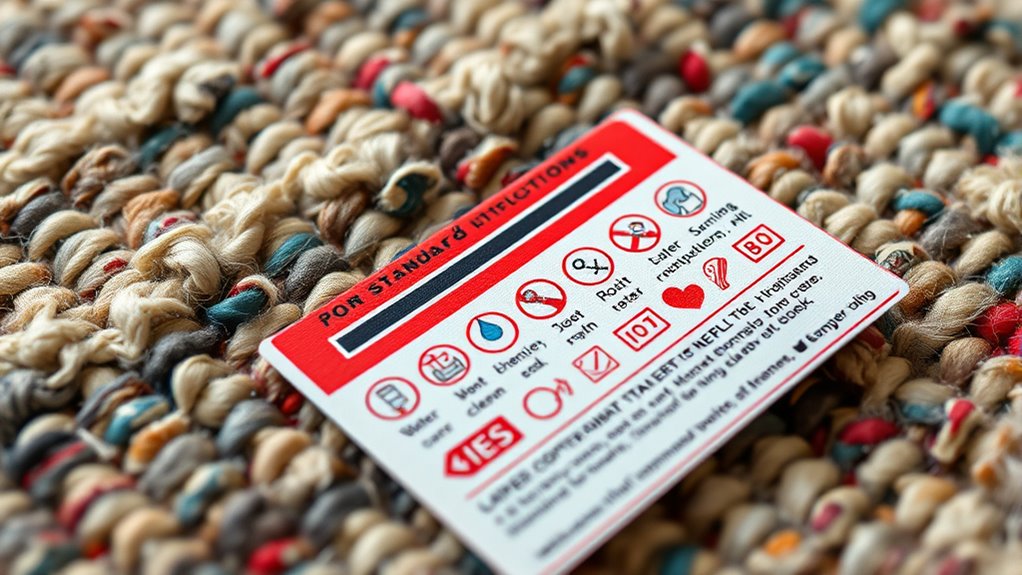
Have you ever looked at a rug tag and wondered what all those symbols mean? Understanding the ISO standard symbols can help you care for your rug properly. One key aspect is colorfast testing, indicated by a symbol showing a small test cloth or color chart. This tells you whether your rug can withstand water or cleaning solutions without color bleeding. Symbols related to stain treatment highlight if your rug is safe for specific cleaning methods or stain removal products. Recognizing these symbols helps you avoid damage during cleaning. For example, if a symbol suggests gentle methods, you should steer clear of harsh chemicals or vigorous scrubbing. Proper interpretation of ISO cleaning symbols can prevent accidental damage and prolong the life of your rug. Understanding rug care labels and their symbols is crucial for maintaining rug integrity. Colorfastness testing is an essential part of proper rug maintenance, especially when dealing with delicate dyes or intricate patterns. Additionally, being familiar with organization standards ensures that you follow the recommended cleaning procedures accurately.
Common Rug Cleaning Codes and Their Meanings
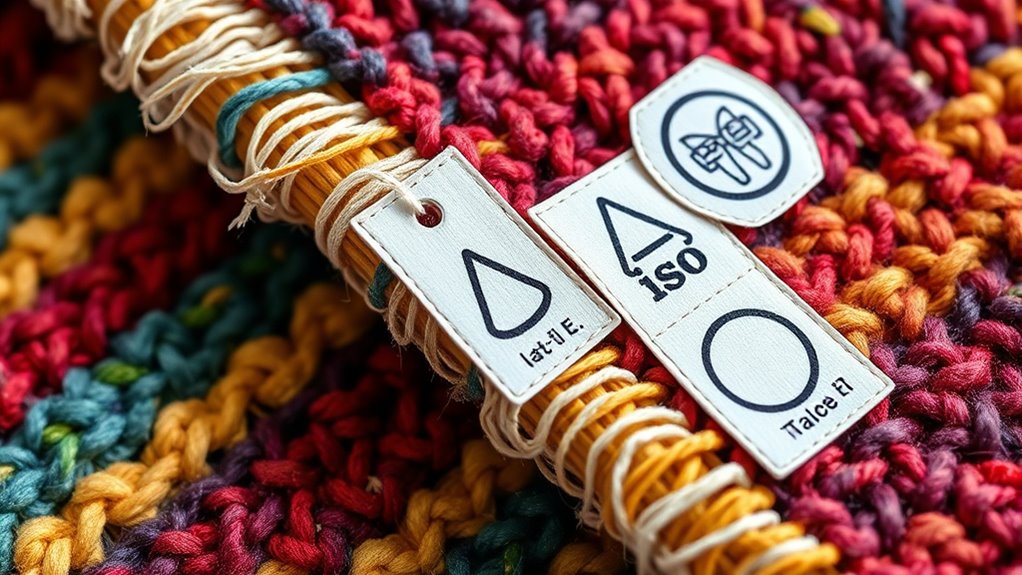
Understanding common rug cleaning codes is essential for proper maintenance and to prevent damage. These codes indicate how to handle dye stability and stain removal without harming your rug.
| Code | Meaning |
|---|---|
| W | Use water-based cleaning methods, safe for stains and dye stability. |
| S | Use solvent-based cleaners; avoid water to prevent dye bleeding. |
| WS | Suitable for both water and solvent cleaning, balancing stain removal and dye safety. |
| X | Do not clean with chemicals or water; professional cleaning recommended. |
Pay attention to these codes to ensure you choose the right cleaning method, preserving your rug’s color and appearance.
How to Interpret Symbols for Different Rug Materials
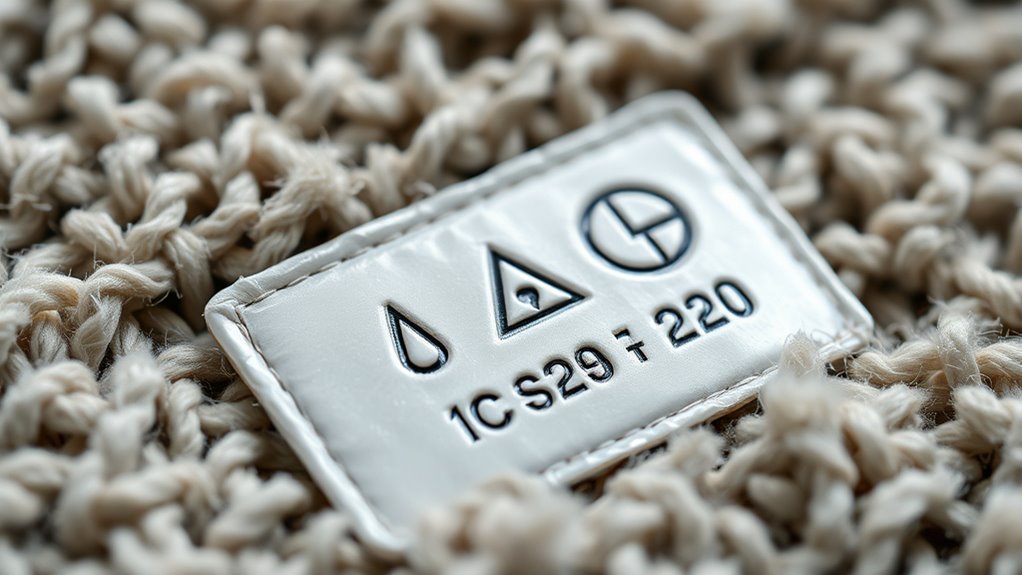
Interpreting symbols for different rug materials is essential because each type requires specific cleaning methods to avoid damage. Proper fiber identification helps you understand whether a rug is wool, silk, cotton, or synthetic, guiding suitable cleaning techniques. For example, wool rugs need gentle, low-moisture cleaning to prevent shrinking, while synthetic fibers can often handle more robust methods. Recognizing symbols related to dye stability is equally important. Rugs with dyes that are less stable require careful handling to prevent bleeding or fading. Understanding rug fibers and dye stability are critical to choosing the appropriate cleaning process. To accurately interpret these symbols, it’s helpful to familiarize yourself with common rug care symbols used by manufacturers. By understanding these symbols, you ensure you select the right cleaning approach, preserving the rug’s integrity and appearance. Properly interpreting cleaning codes can significantly extend the lifespan of your rug and maintain its visual appeal. Accurate interpretation of fiber and dye information minimizes the risk of accidental damage, prolonging your rug’s lifespan and maintaining its beauty.
Tips for Communicating With Rug Cleaning Professionals
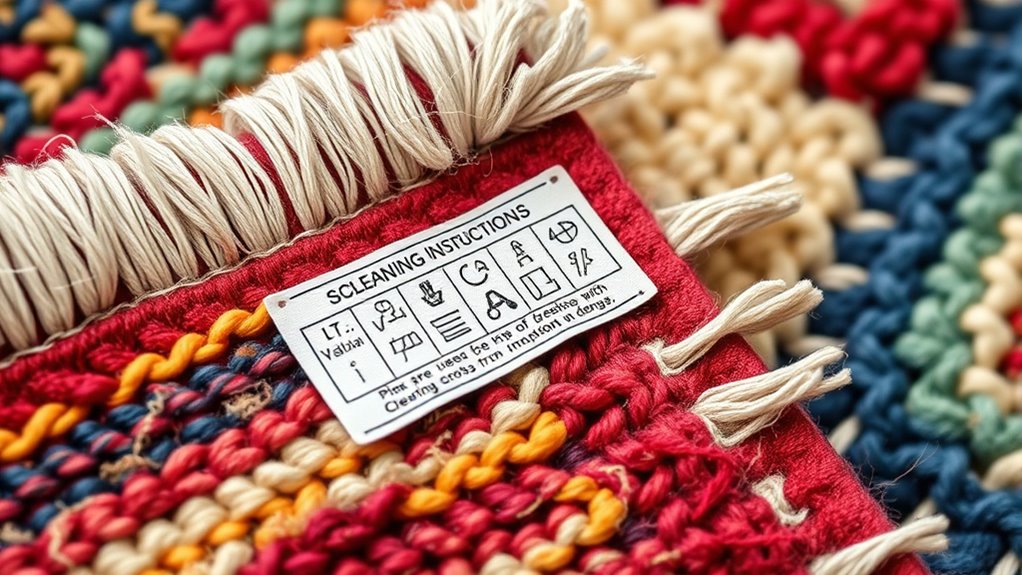
Clear communication with your rug cleaning professional is key to ensuring your rug receives the proper care. Be specific about your expectations, such as choosing eco-friendly products or emphasizing gentle cleaning methods. When discussing your rug, imagine:
- Describing the texture and colors to highlight delicate areas
- Mentioning any recent spills or stains for targeted treatment
- Clarifying if you prefer eco-friendly products or natural cleaning agents
- Scheduling regular professional cleanings to maintain rug quality
- Understanding merchant services options can also help if you need to coordinate payment methods or book appointments easily. Being aware of tuning techniques can assist in explaining specific cleaning needs related to the rug’s material or condition. Additionally, understanding the prophetic dreams concept can help you recognize the importance of clear and meaningful communication, especially when discussing sensitive or unique cleaning requirements. Recognizing the types of cleaning methods available can further ensure your specific needs are met effectively.
Practical Steps to Care for Your Rugs Based on ISO Codes
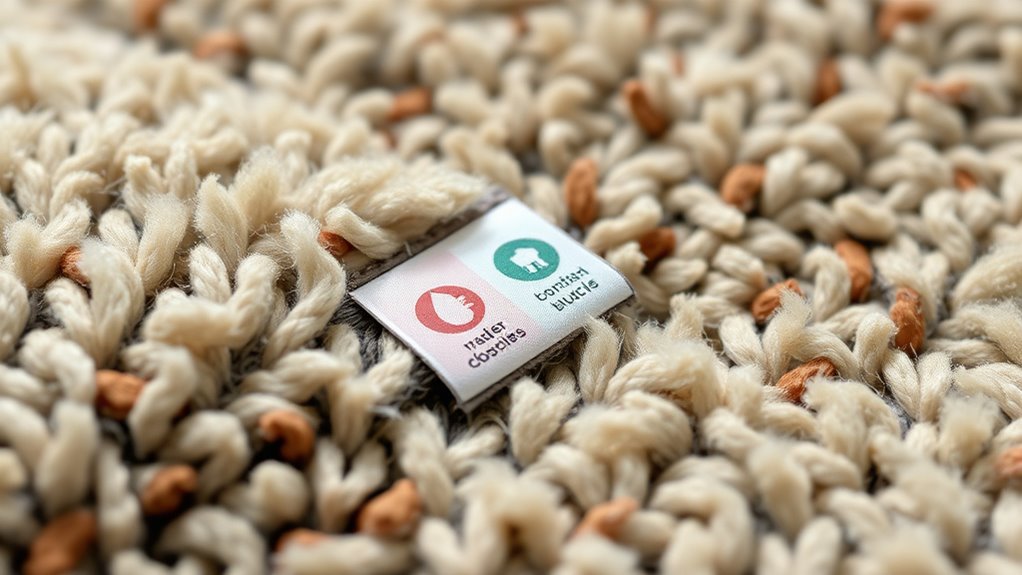
Knowing the ISO codes on your rug’s label can guide you in providing proper care. To maintain dye fastness and stain resistance, follow cleaning guidelines carefully. Use gentle methods for delicate fibers, and avoid harsh chemicals that could damage dyes or reduce stain resistance. For example, a code indicating “W” suggests water-based cleaning, ideal for preserving dye fastness. A code like “X” warns against any cleaning methods, protecting fragile fibers.
| ISO Code | Care Tip |
|---|---|
| W | Use water-based cleaning, gentle approach |
| S | Use solvent-based cleaning, avoid water |
| X | Do not clean with any liquids |
| F | Use foam cleaning methods |
| P | Use dry cleaning techniques |
Follow these steps to prolong your rug’s life and vibrant appearance.
Frequently Asked Questions
Are ISO Rug Cleaning Codes Universally Recognized Worldwide?
You might wonder if ISO rug cleaning codes are recognized worldwide. The answer is yes; these international standards promote consistency in cleaning protocols across countries, ensuring that professionals follow the same guidelines. By adhering to ISO standards, you can trust that cleaning methods are effective and safe, regardless of where you are. This universal recognition helps maintain quality and safety, making it easier for you to find reliable rug cleaning services worldwide.
Can ISO Codes Apply to Vintage or Antique Rugs?
ISO codes can be helpful for vintage rug preservation and antique rug restoration, but they aren’t always perfectly suited. These codes often focus on modern cleaning standards, so you might need to adapt them for delicate, antique rugs. When dealing with vintage or antique pieces, it’s best to consult specialists who understand the unique needs of such rugs, ensuring proper care without risking damage.
How Often Should I Check My Rug’S ISO Cleaning Codes?
Monitoring your rug’s ISO cleaning codes means managing maintenance schedules and cleaning frequency. You should check these codes regularly—every few months or after significant events like spills or heavy foot traffic. By doing so, you guarantee your rug remains vibrant, plush, and pristine. Consistent checks help avoid over-cleaning or neglect, keeping your rug in perfect condition. Staying vigilant with these codes guarantees your rug’s longevity and luster, giving you peace of mind.
Do ISO Standards Differ for Synthetic Versus Natural Fibers?
You might wonder if ISO standards differ for synthetic versus natural fibers. Yes, they do, because fiber types require different cleaning methods. Synthetic fibers like nylon or polyester often handle harsher cleaning agents, while natural fibers like wool or silk need gentler approaches. Always check the specific ISO cleaning codes on your rug’s label, as they guide you to the safest cleaning method based on fiber type and verify your rug stays in great shape.
What Are Common Mistakes When Interpreting ISO Cleaning Symbols?
Imagine you see a symbol on a rug’s label that looks like a circle with a cross, but you mistake it for dry cleaning only. This label misinterpretation often happens due to symbol confusion, leading to improper cleaning. Common mistakes include ignoring specific instructions or misreading symbols, risking damage. Always double-check the meaning of each symbol to guarantee proper cleaning, avoiding costly errors caused by misinterpretation.
Conclusion
Once you master these codes, caring for your rugs becomes as effortless as reading a map. Think of the symbols as your guiding stars, steering you clear of damage and preserving your rug’s beauty. I once ignored a cleaning tag, only to see my favorite rug fade—lesson learned. Now, with these codes in hand, you’ll navigate rug care confidently, ensuring your cherished pieces stay vibrant and inviting for years to come.