Tapestry and pile weaves differ mainly in structure and look. Tapestry weaving creates a flat, tightly woven fabric with detailed images, perfect for wall hangings or upholstery. Pile weaves produce thicker, textured fabrics with raised loops or tufts, offering a plush, tactile surface ideal for rugs or soft furnishings. If you want to understand how their unique techniques influence their style and function, keep exploring the details behind each method.
Key Takeaways
- Tapestry weaving produces a flat, dense fabric ideal for detailed imagery, while pile weaves create thick, textured surfaces with raised loops or tufts.
- Tapestries emphasize intricate colors and pictorial designs, whereas pile weaves focus on tactile richness and three-dimensional texture.
- Tapestry structures are tightly woven, making them durable and suitable for wall hangings; pile fabrics are thicker with a plush, soft surface.
- Tapestry weaves are used mainly for decorative art and detailed textiles; pile weaves are favored for rugs, upholstery, and tactile textiles.
- The aesthetic of tapestry is flat and precise, while pile weaves offer a plush, tactile, and visually rich three-dimensional appearance.

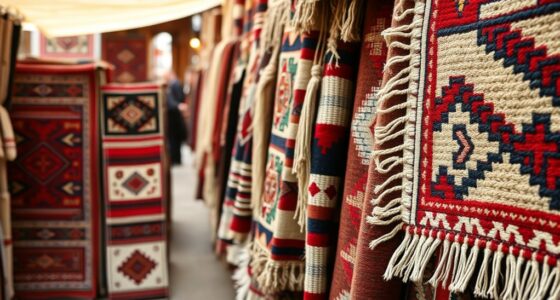
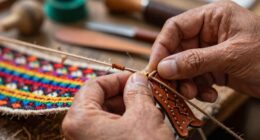
When choosing between tapestry and pile weaves, understanding their differences can help you select the right textile for your project. These two weaving styles showcase distinct techniques and aesthetics, rooted in rich textile histories that influence their structure and look. Tapestry weaving involves a method where weavers interlace colored weft threads through warp threads to create detailed, pictorial designs. This technique allows for intricate imagery and precise color placement, making it ideal for storytelling or decorative art. Historically, tapestry weaving dates back centuries and has been used to adorn palace walls and narrate historical events, reflecting its significance in textile history. Its flat surface, often with a dense, tightly woven structure, results in a durable fabric that can hang elegantly or serve as a wall hanging.
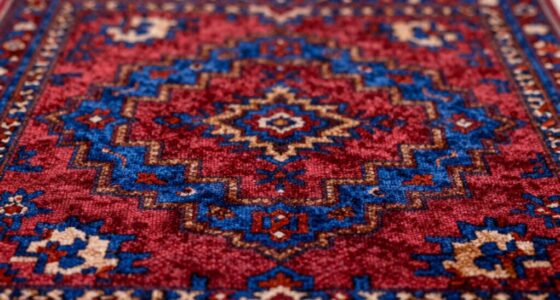
In contrast, pile weaves introduce a three-dimensional element by incorporating extra yarns that stand upright from the fabric’s surface, creating a plush, textured appearance. This weaving technique is common in creating carpets, rugs, and upholstery fabrics, where the raised pile adds softness and visual depth. The process involves inserting additional weft yarns that are cut or left uncut, forming loops or tufts. Pile weaves are more tactile, inviting touch and emphasizing comfort. Their history traces back to ancient civilizations in Persia, Turkey, and beyond, where pile carpets became symbols of luxury and craftsmanship. Because of their structure, pile fabrics tend to be thicker and more resilient, offering both aesthetic appeal and functionality.
From a structural perspective, tapestry weaves are generally flat and tightly woven, focusing on detail and durability, while pile weaves are thicker, with a raised surface that emphasizes texture. When selecting a textile for your project, consider whether you want a detailed, artful piece that lies flat, or a plush, textured fabric that adds comfort and visual richness. Tapestries are excellent for decorative wall art, upholstery, or textiles where detailed imagery is desired. Pile weaves excel in creating cozy rugs, plush furniture coverings, or any application where softness and tactile interest take precedence. Both styles carry a history of craftsmanship, but their structural differences and visual effects serve unique purposes. By understanding these distinctions, you can make an informed choice that aligns with your artistic vision or functional needs.
Top picks for "tapestry pile weav"
As an affiliate, we earn on qualifying purchases.
Frequently Asked Questions
How Do Tapestry and Pile Weaves Impact Indoor Air Quality?
Tapestry and pile weaves can impact your indoor air quality by trapping airborne fibers and allergens. Pile weaves, with their dense loops and raised surfaces, tend to retain more airborne fibers and allergens, which can worsen allergies or respiratory issues. Tapestry weaves, while also capable of trapping particles, generally have a flatter surface, making them slightly easier to clean and less likely to harbor airborne fibers that affect air quality.
Can Tapestry or Pile Weaves Be Used Outdoors?
Like a brave sailor facing the storm, you can use tapestry or pile weaves outdoors, but only with caution. They generally lack weather resistance, so exposure to rain or sun can fade colors and weaken fibers. You’ll need to commit to ongoing maintenance, like regular cleaning and protecting them from harsh elements. If you want durability, look for specially treated outdoor options; otherwise, these weaves are better kept indoors.
What Are the Eco-Friendly Options for Each Weaving Style?
For eco-friendly options, you can choose natural dyes and recycled fibers for both tapestry and pile weaves. Natural dyes reduce chemical use and environmental impact, while recycled fibers reuse materials, cutting waste. Opt for sustainably sourced wool or cotton, and look for artisans who prioritize eco-conscious practices. This way, you enjoy beautiful, durable textiles that support environmental health and reduce your ecological footprint.
How Do These Weaves Influence Acoustic Properties in a Space?
You’ll notice that tapestry and pile weaves considerably influence sound absorption and noise reduction in your space. Tapestries, with their dense, woven fibers, effectively muffle sound, creating a quieter environment. Pile weaves, with their plush, thick textures, also absorb sound but tend to add warmth and coziness. Both styles help reduce noise levels, enhancing acoustic comfort, but tapestry weaves generally provide superior sound absorption due to their tighter, more substantial fabric structure.
Are There Cultural or Historical Significance Differences Between the Two?
You’ll find that tapestries often carry rich cultural symbolism and have deep historical origins rooted in European medieval art, serving as storytelling and status symbols. Pile weaves, like carpets and rugs, also hold cultural significance across Middle Eastern and Asian traditions, symbolizing wealth and craftsmanship. These differences reflect their unique cultural stories and historical contexts, making each type more than just decorative textiles—they’re expressions of identity and heritage.
Conclusion
In the end, understanding the difference between tapestry and pile weaves is like choosing between a detailed painting and a plush pillow—you get to pick what suits your style best. Tapestry offers intricate storytelling with its flat, woven design, while pile weave wraps you in softness like a cozy blanket. Knowing these differences helps you select the perfect textile, turning your space into a gallery of textures and stories. Your choice paints the picture of your personal style.