TL;DR

Get furniture and decor delivered free with Prime
- Fast, free delivery on millions of items
- Prime Video, Amazon Music and more included
- Member-only deals all year
Livingetc has highlighted silver as a current interior design direction, describing it as a reflective material rather than simply another gray paint color. Designer Felizia Berchtold says silver-toned finishes can pick up surrounding colors and light, while pairings with wood, stone, green and black create different effects. The source presents a design trend, not evidence that silver has broadly replaced traditional neutrals.
Livingetc has spotlighted silver as a current interior design choice, making the case for reflective finishes such as stainless steel, chrome and brushed metal as more than kitchen or bathroom hardware. The report, featuring designer Felizia Berchtold of Studio Tutto Bene, argues that silver can function like a neutral while changing with the light and colors around it. It does not establish that the finish has broadly replaced other neutral colors.
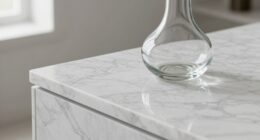
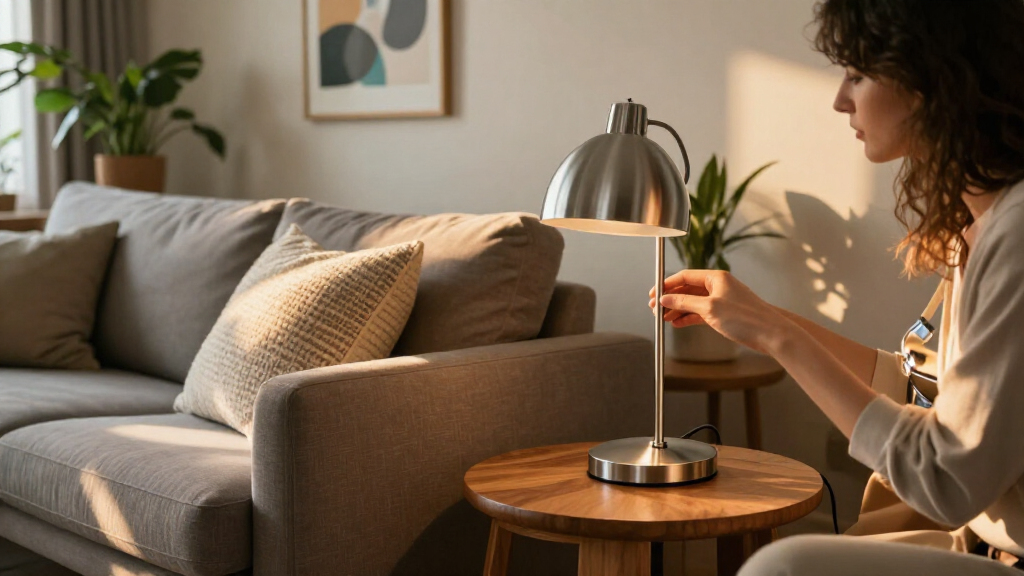
The report distinguishes silver from ordinary gray: both sit in similar color territory, but silver’s metallic surface reflects light and its surroundings. The examples focus on materials and objects, including stainless-steel cabinetry and sideboards, chrome lamps and vases, and broader applications such as a silver-leaf kitchen. This is a material-led approach, not simply a recommendation to paint walls gray or silver.
Berchtold describes metallic surfaces as responsive rather than fixed. Silver can look different as daylight changes, and it can reflect colors already present in a room. Livingetc says warm wood and warmer tones can make chrome read as a crisp contrast, while stone and cooler colors produce a more coordinated, tonal effect. Black and white, Berchtold says, make the reflections especially clear.
For a more restrained introduction, the report points to familiar settings such as kitchen and bathroom fittings or a single architectural detail. It also favors more committed applications, including stainless-steel cabinetry or a prominent chrome bar, rather than an isolated accent that feels disconnected from the rest of the space. These are design suggestions, not tested rules about what works in every home.
How Silver Changes a Room
The appeal described in the report is that a reflective finish may do more than add a metallic accent: it can carry existing colors across a space and alter how a room looks as light shifts. That makes silver a potentially flexible choice for people who want a neutral foundation with more surface texture and visual movement than matte gray typically offers.
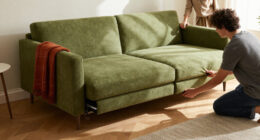
It also challenges the assumption that metal automatically makes a home feel cold or clinical. Berchtold says silver can take on warmth from its surroundings, and Livingetc suggests pairing it with wood, earthy colors or a grounding olive-green rug. The effect remains dependent on the specific finish, lighting and materials in the room; the report does not claim that every silver-heavy interior will feel warm.
Products Worth Considering

Levoit Vital 100S-P Air Purifier for Home and Pets

LEVOIT Air Purifier for Home, Pets, Bedroom, Smart WiFi

Philips Hue Smart LED Candle Bulbs, B39, E12, White and Color Ambiance, 2-Pack
As an affiliate, we earn on qualifying purchases.
From Fixtures to Full Surfaces
Silver-colored metal already appears in many homes, especially in kitchens and bathrooms as hardware, appliances and work surfaces. Livingetc’s report frames the current design idea as expanding that familiar use: stainless steel and chrome can be treated as deliberate elements in a room’s overall composition, rather than merely functional finishes.
Berchtold draws a distinction between silver’s associations with older objects and chrome’s more forward-looking impression, while saying both can appeal because they shine. The report also gives a project example from Studio Tutto Bene: a kitchen in a Milan pied-à-terre covered in silver leaf. Berchtold says its reflective surfaces seem to dissolve into their surroundings while retaining a jewel-like presence. That example illustrates one designer’s approach; it is not evidence of a wider market shift.
“Silver-toned metallic finishes catch the light and frame it. It also borrows color from its surroundings, shifting through the day.”
— Felizia Berchtold, director and designer at Studio Tutto Bene
How Broad Is the Silver Trend?
The supplied report identifies silver as a design direction featured by Livingetc, but gives no sales figures, survey data or adoption measures showing how widely homeowners or designers are using it. Calling silver “the new neutral” is a framing of the trend, not a verified industry-wide change.
The material also does not establish how silver will look in every room. Reflectivity varies with the finish, surrounding surfaces and changing light, and the report offers designer guidance rather than controlled comparisons. It is not clear whether the interest will extend beyond the projects and examples cited or persist in future design coverage.
Testing Silver in Real Interiors
For readers considering the look, the report’s approach is to decide whether silver should contrast with warmer materials or blend into a cooler, more tonal palette. Starting with hardware or one architectural detail offers a smaller commitment; stainless-steel cabinetry, a chrome bar or a silver-leaf surface creates a more prominent effect. In either case, the surrounding colors and the room’s lighting will shape the result.
The source provides no announced launch, upcoming event or industry forecast tied to the trend. Whether silver becomes a lasting neutral or remains a prominent option in current interiors coverage will depend on how designers and homeowners use it beyond the examples featured.
Key Questions
Is silver replacing gray as a neutral?
There is no evidence of a broad replacement. Livingetc presents silver as a versatile design option that can work in neutral schemes, but offers no industry data showing it has displaced gray or other neutrals.
What does decorating with silver mean?
In the report, it means using reflective materials such as chrome, stainless steel, brushed metal or silver leaf—not only using gray or silver paint.
How can silver finishes feel less cold?
Berchtold says silver reflects its surroundings. Livingetc suggests pairing it with wood, warm colors or earthy green to add contrast and a warmer feel, though results depend on the room and finish.
Where can someone start using silver at home?
The report points to kitchen or bathroom hardware and a single architectural detail as smaller starting points. More extensive options include stainless-steel cabinetry or a prominent chrome surface.
Source: livingetc.com