
TL;DR
Listen free for 30 days with Audible
Thousands of audiobooks and originals — cancel anytime.
Start your free trialAs an affiliate, we earn on qualifying purchases.
Many solar panel owners wonder if washing their panels boosts performance. Experts say cleaning can help, but only under certain conditions. This article reviews current advice and ongoing debates.
Solar panel owners are increasingly questioning whether they should regularly wash their panels to maintain optimal performance. Experts say cleaning can improve efficiency, but the necessity depends on local conditions and panel placement. This debate is relevant as more households adopt solar energy and seek cost-effective maintenance practices.
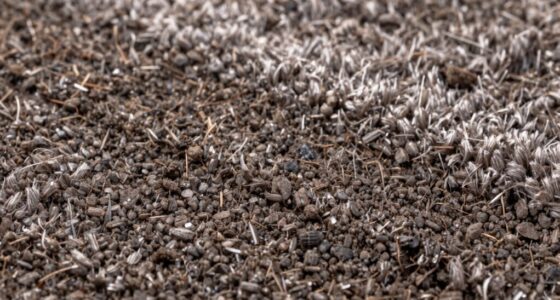
According to industry experts, cleaning solar panels can remove dirt, dust, bird droppings, and other debris that may block sunlight and reduce energy output. Several studies, including one from the National Renewable Energy Laboratory, suggest that in dusty or polluted environments, cleaning can increase energy production by up to 20%. However, the need for regular cleaning varies based on location, weather, and panel type.
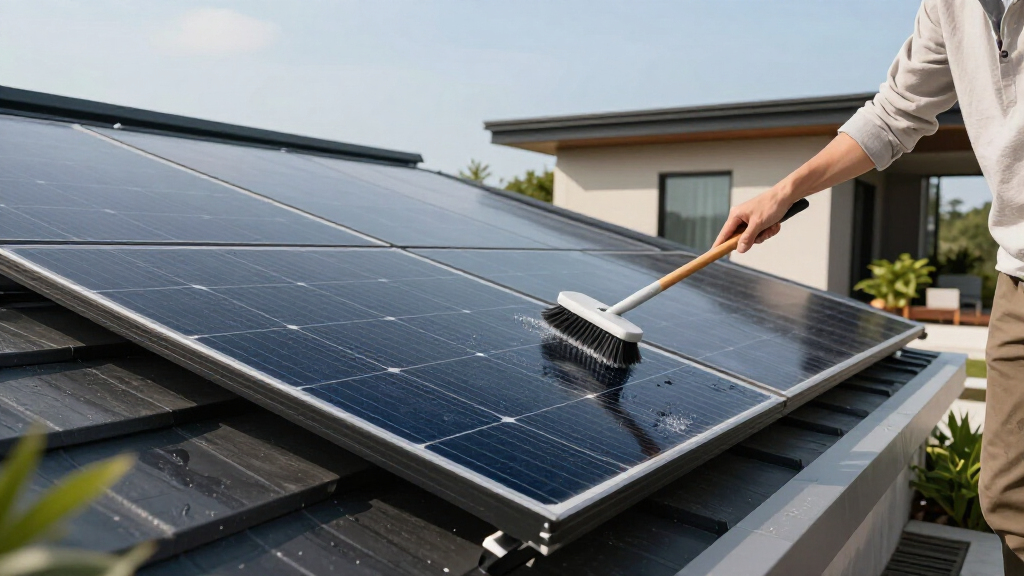
Most manufacturers recommend inspecting panels periodically and cleaning only when necessary. Common methods include gentle rinsing with water and soft brushes, avoiding abrasive materials that could damage the surface. Some experts warn that excessive or improper cleaning might cause more harm than good, especially if done with harsh chemicals or high-pressure water.
There is no universal mandate for cleaning frequency; some regions with frequent dust or pollution see benefits from bi-annual or quarterly cleaning, while others in cleaner environments may not need to clean at all. The decision should consider local conditions, panel tilt, and manufacturer guidelines.
Why Proper Panel Maintenance Affects Solar Efficiency and Costs
Understanding whether to wash solar panels impacts both energy output and maintenance costs for owners. Regular cleaning in suitable conditions can maximize efficiency, leading to better financial returns on investment. Conversely, unnecessary cleaning could lead to equipment damage or increased expenses without significant benefits. As solar adoption grows, clear guidance on maintenance becomes increasingly important for consumers and installers alike.
As an affiliate, we earn on qualifying purchases.
Recent Research and Industry Advice on Solar Panel Cleaning Practices
Research from organizations like the National Renewable Energy Laboratory indicates that dirt accumulation can reduce solar efficiency, especially in dusty or polluted areas. However, industry guidelines from manufacturers such as SunPower and Tesla recommend cleaning only when soiling visibly affects performance. Historically, some industry experts have advised against frequent cleaning, citing potential damage and cost concerns. The debate continues as new cleaning technologies and methods emerge.
“Cleaning solar panels can boost efficiency, but only if they are significantly soiled. Over-cleaning or improper techniques can cause more harm than good.”
— Dr. Lisa Chen, Solar Energy Expert
Unanswered Questions About Optimal Cleaning Frequency and Methods
It remains unclear how often panels should be cleaned in different environments to balance efficiency gains against potential damage. The effectiveness of new cleaning technologies, such as automated systems, is still being studied. Additionally, long-term impacts of frequent cleaning on panel durability are not fully known.
Future Research and Industry Developments in Solar Panel Maintenance
Ongoing studies aim to establish standardized cleaning protocols tailored to specific climates and panel types. Manufacturers are also developing automated cleaning systems that could simplify maintenance. Industry guidelines are expected to evolve as more data becomes available, helping owners make informed decisions.
Key Questions
Does cleaning my solar panels increase their energy output?
Cleaning can improve efficiency, especially if panels are visibly soiled or in dusty environments. However, in cleaner conditions, the benefits may be minimal.
What is the best way to clean solar panels without damaging them?
Use gentle rinses with water and soft brushes, avoiding abrasive materials and harsh chemicals. Follow manufacturer guidelines for specific cleaning recommendations.
How often should I clean my panels?
This depends on your location and environmental conditions. Regular inspections can help determine if cleaning is necessary, typically once or twice a year in many areas.
Are automated cleaning systems worth the investment?
Automated systems may reduce maintenance effort and improve efficiency in certain conditions, but their cost-effectiveness varies. More research is ongoing to assess their long-term benefits.
Source: hn
NFL season / tailgating Picks
team gear
As an affiliate, we earn on qualifying purchases.