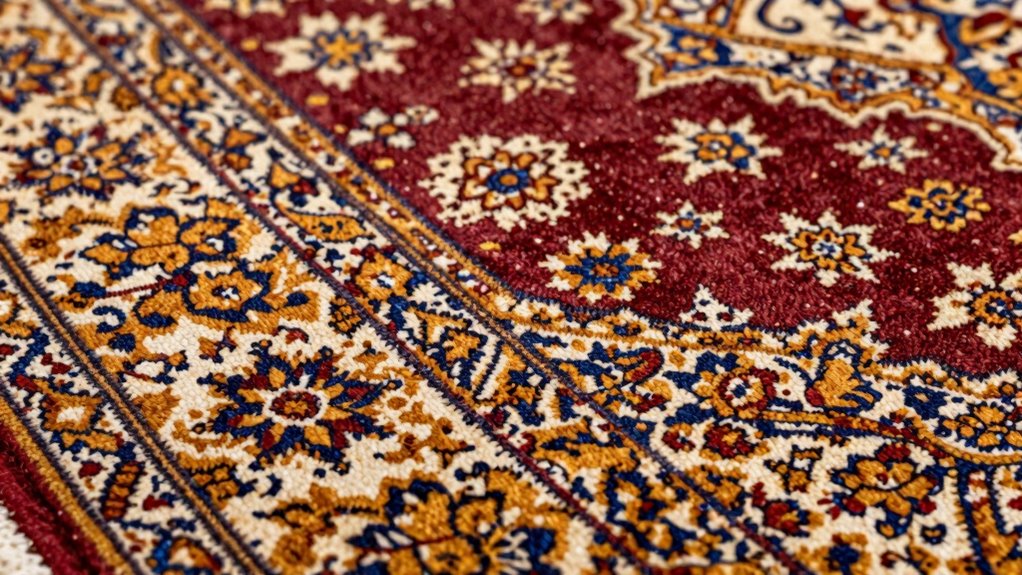

To understand a rug’s true quality, look past vague terms and pay attention to specific craftsmanship descriptions. Words like “handwoven,” “handknotted,” or “machine-made” reveal how it was made, affecting durability and price. Clarify vague phrases like “traditional techniques” for better insight. Focus on the fiber materials as well—these impact how long the rug lasts and feels. If you want to spot the real value, keep exploring the details, and you’ll uncover the secrets behind the descriptions.
Get ready for Prime Big Deal Days — try Prime free
Exclusive member deals on October 6–7, plus fast free delivery. Cancel anytime.
As an affiliate, we earn on qualifying purchases.
Key Takeaways
- Look for specific craftsmanship terms like “handknotted” or “machine-made” to assess quality and durability.
- Clarify vague phrases such as “traditional techniques” for a better understanding of the rug’s origin.
- Evaluate the described materials to determine the rug’s softness, longevity, and suitability for different environments.
- Recognize differences between “handwoven,” “hand-tufted,” and “power-loomed” to gauge craftsmanship level.
- Question ambiguous descriptions to ensure the price reflects the true craftsmanship and material quality.
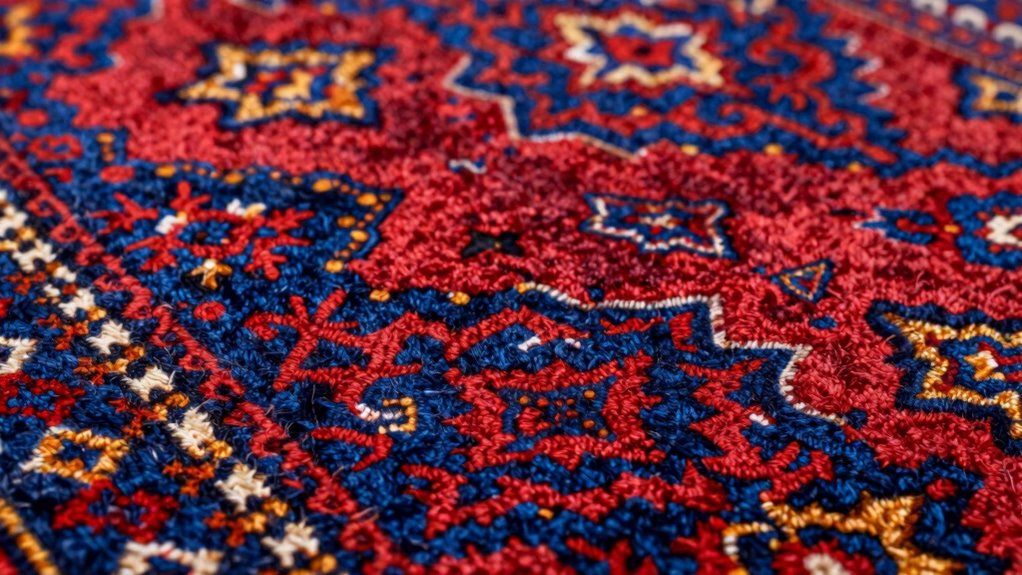
When shopping for a rug, it’s easy to get overwhelmed by the technical jargon and vague descriptions. Manufacturers often sprinkle their descriptions with terms that seem meaningful but can hide more than they reveal. To make smarter choices, you need to learn how to read between the lines. This means identifying hidden meanings and understanding craftsmanship details that aren’t always obvious at first glance.
First, focus on the language used to describe the rug’s origin and materials. Words like “handwoven,” “machine-made,” or “power-loomed” give clues about the craftsmanship involved. When a description highlights that a rug is “handknotted,” it indicates a high level of craftsmanship, often associated with durability and quality. Conversely, if it’s “machine-made,” you might expect a more uniform look but potentially less durability over time. Be wary of vague phrases like “made with traditional techniques” without specifics. Such language may be more marketing than fact, so dig deeper or ask for clarification. Understanding the craftsmanship details can help you assess whether the rug’s price matches its quality and longevity.
Focus on the terminology describing origin and materials—clarity reveals quality and craftsmanship behind the rug.
Understanding craftsmanship details involves knowing what to look for in the description. For example, if the rug is described as “hand-tufted,” it’s likely made with a different technique than a “handwoven” piece. Hand-tufted rugs are created using a tufting gun to punch yarn into a backing, which tends to be less durable but quicker and cheaper to produce. Meanwhile, “handknotted” rugs involve a meticulous process where each knot is tied by hand, often resulting in intricate designs and long-lasting quality. Recognizing these subtle distinctions helps you evaluate the true value of a rug and its potential wear over time. Material composition also plays a critical role, as it influences both the appearance and durability of the rug. Being familiar with these fiber types can help you make more informed decisions about quality and longevity.
As an affiliate, we earn on qualifying purchases.
Frequently Asked Questions
How Can I Identify a Genuine Antique Rug From a Reproduction?
To identify a genuine antique rug from a reproduction, examine its textile patterns closely for signs of age and craftsmanship. Authentic antique rugs often have intricate, slightly irregular designs due to hand-weaving. Conduct dye analysis; genuine antiques use natural dyes that fade softly over time, whereas reproductions may have bright, uniform colors from synthetic dyes. Feel the rug’s texture—authentic antiques tend to be softer and more worn, reflecting their age.
What Signals Indicate a Rug Has Been Recently Restored?
You’ll notice signals indicating recent restoration through uneven color fading, where restored areas may appear brighter or more uniform than original sections. Look for restoration signs like fresh stitching, inconsistent pile, or new knots that differ from the original craftsmanship. These clues suggest the rug has been recently restored. Carefully inspecting these details helps you determine if a rug has undergone recent repairs, ensuring you understand its true condition.
How Do Different Knotting Techniques Affect Rug Durability?
Different knotting techniques dramatically impact a rug’s durability, like a fortress built brick by brick. High knot density makes the rug sturdier, with tighter knots resisting wear and tear. The weave pattern also plays a role: a dense, intricate pattern offers extra resilience, while looser patterns might wear faster. So, select a technique that balances knot density and weave style to guarantee your rug lasts for generations.
Can Rug Descriptions Reveal the Origin or Cultural Significance?
Yes, rug descriptions can reveal the origin or cultural significance by highlighting weaving patterns and dye sources. You’ll notice specific patterns, motifs, or border designs linked to particular regions or cultures. The description might mention natural dye sources like indigo or madder, which are traditional to certain areas. These details help you understand the rug’s cultural roots, craftsmanship, and the history behind its design, enriching your appreciation.
What Hidden Clues Suggest a Rug’s True Age and Authenticity?
You glimpse the rug’s faded colors, revealing subtle color symbolism that hints at its age—darker, muted hues often signal authenticity. Feel the fabric quality; aged rugs use thicker, worn fibers, suggesting genuine craftsmanship. Tiny imperfections or wear patterns also whisper stories of time, confirming its true age. These hidden clues, like a whisper beneath the surface, help you distinguish an authentic, vintage piece from a modern replica.
Conclusion
Now that you know how to read between the lines, you can truly see the story a rug tells. Every fiber, knot, and hue whispers secrets about its origin and craftsmanship—if you’re willing to listen. Like a detective uncovering hidden clues, you’ll decode the language woven into each rug’s design. So, trust your instincts and embrace the mystery—after all, a rug’s true beauty lies in the stories it secretly holds.
Fall yard work Picks
leaf blowers
As an affiliate, we earn on qualifying purchases.